NASHVILLE, Tenn. — “We have to change, too much is at risk.”
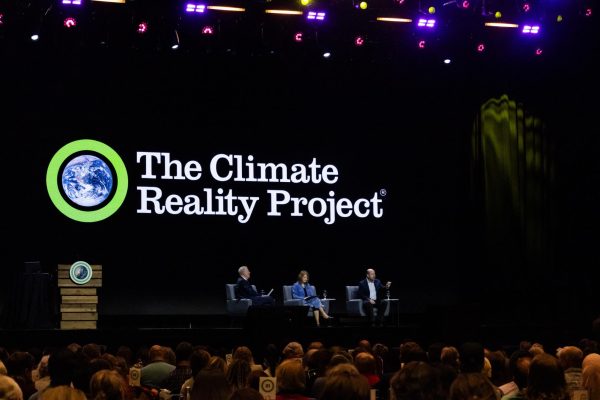
Those are the words of former Vice President Al Gore, delivered at The Climate Reality Project’s 20th Anniversary Climate Reality Training at The Pinnacle in Nashville on May 2.
The Climate Reality Project, a nonprofit organization founded by Gore, hosted the event as one of three global climate advocacy leadership trainings to continue to add to the Climate Reality Leadership Corps.
Trainings like this began in Tennessee after the release of Gore’s 2006 documentary “An Inconvenient Truth,” when he invited 50 people to his barn to teach them about the climate crisis and what they can do about it.
These events, held “to equip grassroots advocates with the skills and knowledge to become effective communicators for climate action,” include multiple days of educational panels, discussions and speakers.
Gore gave a presentation titled “Truth in 20,” during which he explained the urgency of climate action. The presentation featured captivating visuals and in-depth statistics to help thoroughly educate the trainees.
“We have to change … We have a moral obligation to our children and grandchildren, and all future generations, and also to ourselves, because we’re beginning to feel this more keenly in our own time,” Gore said.
Gore, as well as his fellow panelists, placed an emphasis on the youth’s vital role in solving climate issues.
“Because our country is based on the basic principle that all just power comes from the consent of the governed, we need to revitalize our democracy, and young people have traditionally been the ones with the most energy and creativity and passion to do that,” Gore told The Daily Beacon.
Gore was joined by panelists Michael E. Mann, a professor of earth and environmental science at the University of Pennsylvania, and Rosina Bierbaum, a professor of natural resources and environmental policy at the University of Michigan and board member of The Climate Reality Project.
“We want to equip students today with the tools that they need to move us forward on climate and all the other major challenges we face,” Mann said. “But, we can’t wait until they’re in the position to do that, it will be too late. And so, we, of course, have to equip them with those tools, but we have to take action ourselves to make sure that we don’t mortgage the planet for future generations before they have the time to take hold of their own situation.”
The speakers also expressed the immense progress that has been made on accessibility and prevalence of these tools.
“In 1975, there were only four programs in the United States that offered energy, environment and policy together, one of them right here at the University of Tennessee, by the way … However, now, there are hundreds of these all across the country,” Bierbaum said.
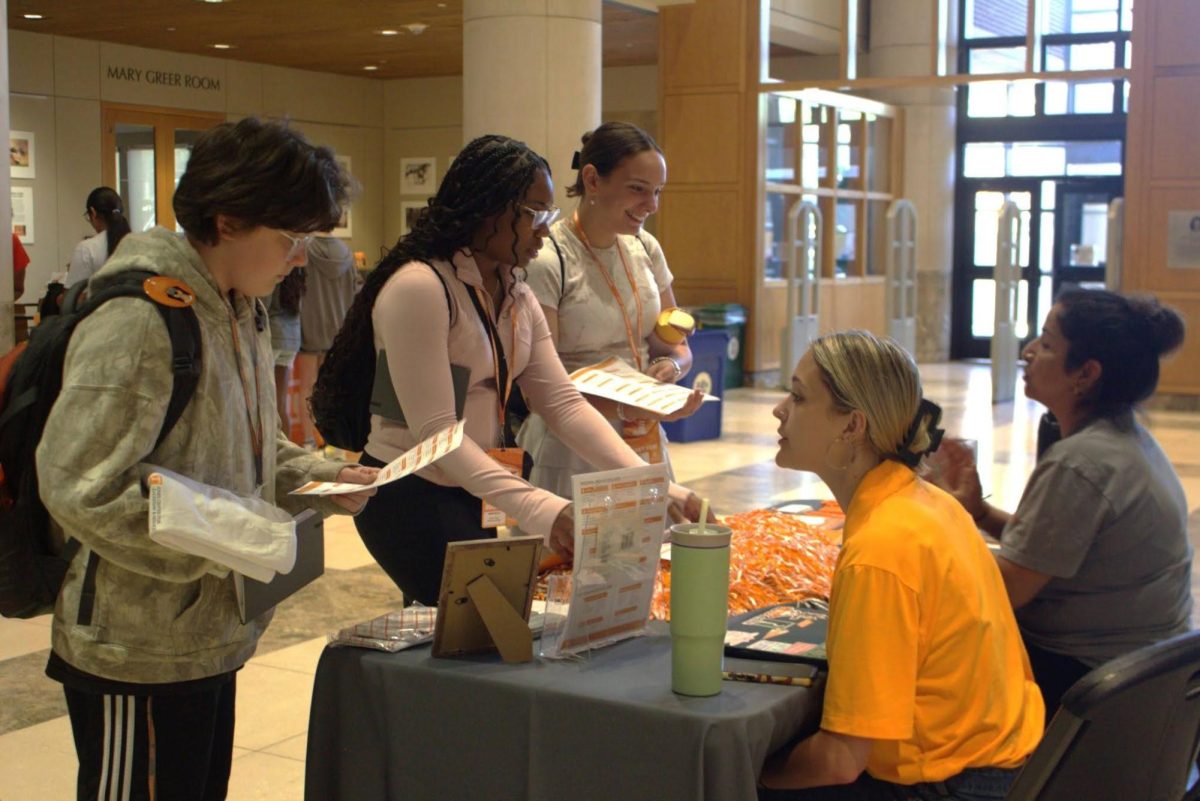
Twenty-six-year-old New York University student Kornelius Sembiring was one of the trainees during this event, and described how, as part of a younger generation, his eyes have now been opened to how he can contribute to the climate crisis.
“I have very little climate knowledge because I’m still studying in my university, so this is kind of giving a solid foundation of how and what climate change is,” Sembiring said.
According to Gore, educating the youth and entrusting them with the revitalization of democracy is crucial to solving the climate crisis.
“The young generation is prepared to take this on,” Gore said.