Housed on the second floor of the University of Tennessee’s Student Health Center is the Student Counseling Center, where students can schedule appointments with an individual counselor or participate in group counseling sessions.
Despite being the primary mental health resource for in-residence students, many still regard it as a mystery. There are many myths surrounding the SCC and its operations. It is essential to dispel any misconceptions and address potential questions students may have about the Counseling Center and its operations, so that they can fully utilize the available services.
According to a 2024 analysis from Mental Health America, the United States is facing a severe mental health crisis.
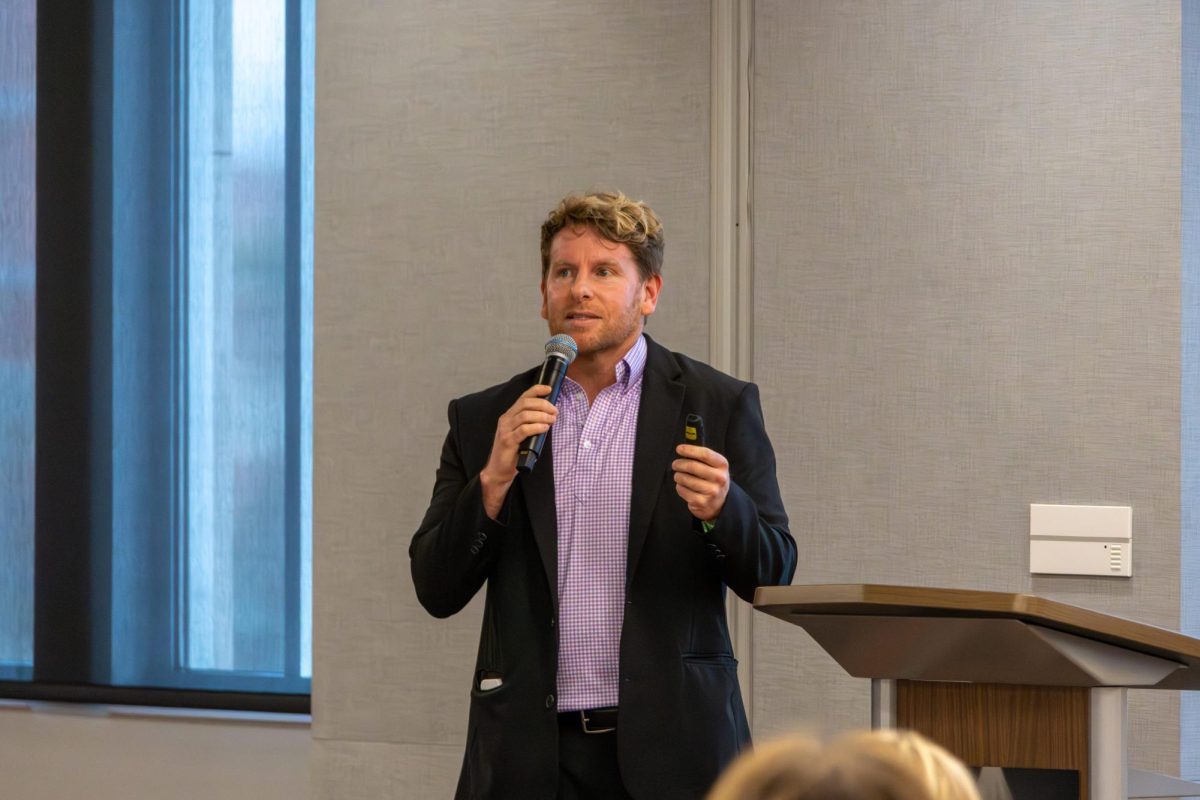
Nicole Saylor, Director of the Student Counseling Center, has provided some insight into their operations.
For starters, insurance is not required to use the SCC’s services, which can be beneficial for students who struggle to find counseling services that accept their insurance.
“All services are covered by the Student Programs and Services Fee, so if you’re enrolled at UT and have paid that fee, you can use SCC services at no additional cost,” Saylor said.
The Counseling Center offers both short-term and long-term therapy sessions. For long-term therapy, students are referred to off-campus services with assistance from SCC staff. Students can also meet with a care coordinator from the Center for Care and Resilience, who will guide you through your options and help you connect at 865-974-HELP.
The SCC promises confidentiality to its students, a promise it takes very seriously.
“The SCC follows the same privacy and confidentiality rules as any licensed mental health provider,” Saylor said. “Your therapy records are totally separate from your academic or health records, and nothing is shared without your signed, written permission.”
There are, however, some legal exceptions that allow therapists to break confidentiality laws to keep someone safe when there is risk of harming one’s self or others, or if abuse of a child or vulnerable adult is involved, according to Saylor.
However, due to their legal role as therapists, SCC staff are not required to be Title IX mandatory reporters. Therefore, if students were to discuss incidents about sexual assault, domestic violence or harassment, that info stays private.
The SCC also offers group therapy, in which you are placed in a group with other students and monitored by SCC counselors.
“Before joining, everyone goes through a group screening, where confidentiality and group expectations are explained. The SCC also screens for things like shared majors, clubs or friend groups to avoid placing people who already know each other in the same group,” Saylor said.
Group therapy can be offered for specific groups, such as BIPOC and LGBTQIA+ students, among others. Group therapy at the SCC is also available on an unlimited basis. The SCC occasionally offers mental health workshops that are available to all students.
The SCC also remains open during breaks for students who wish to continue using their services during this time. The SCC is closed, however, when the university is officially closed.
“Summer services are a unique time period,” Saylor said. “If you’re enrolled in spring and are enrolled and will return in fall, you can use SCC services in the summer by paying the summer SPSF. One important thing: Licensing laws prevent us from providing services to anyone physically located outside of Tennessee. That means SCC providers cannot do Zoom sessions with students who are in another state.”
For students who may be unable to attend the SCC in person or who prefer to participate in sessions remotely, individual and group sessions are available via telehealth through a secure, HIPAA-compliant Zoom platform. Additionally, for students without access to a private space for sessions, the SCC offers telehealth rooms.
However, telehealth is not available for triage or crisis appointments, and you must be located in Tennessee to use it.
The Student Counseling Center no longer prescribes medication to students.
“If you’re working with someone at the (SCC), they can help refer you to the Student Health Center if you’re interested in medication,” Saylor said. “You can also contact the Student Health Center’s psychiatry clinic directly — no referral needed.”
To schedule an appointment at the Student Counseling Center, call 865-974-2196 to arrange a triage appointment. Students in crisis can also call this number.
“During that initial appointment, a therapist will help figure out what kind of support makes the most sense for you,” Saylor said. “You might be referred to individual therapy, group therapy or to services off campus. Either way, you’ll leave that appointment with a clear plan for what comes next.”
After hours, you can still call the Counseling Center’s number to talk to an on-call counselor with the after-hours service. The SCC will get a report of your call. Saylor emphasized that in the event of a life-threatening emergency, always call 911.
If you are interested in the SCC’s services, you can find more information on their website.