“It started over a cup of tea and biscuits in London in 2018,” UT professor John Sorochan said.
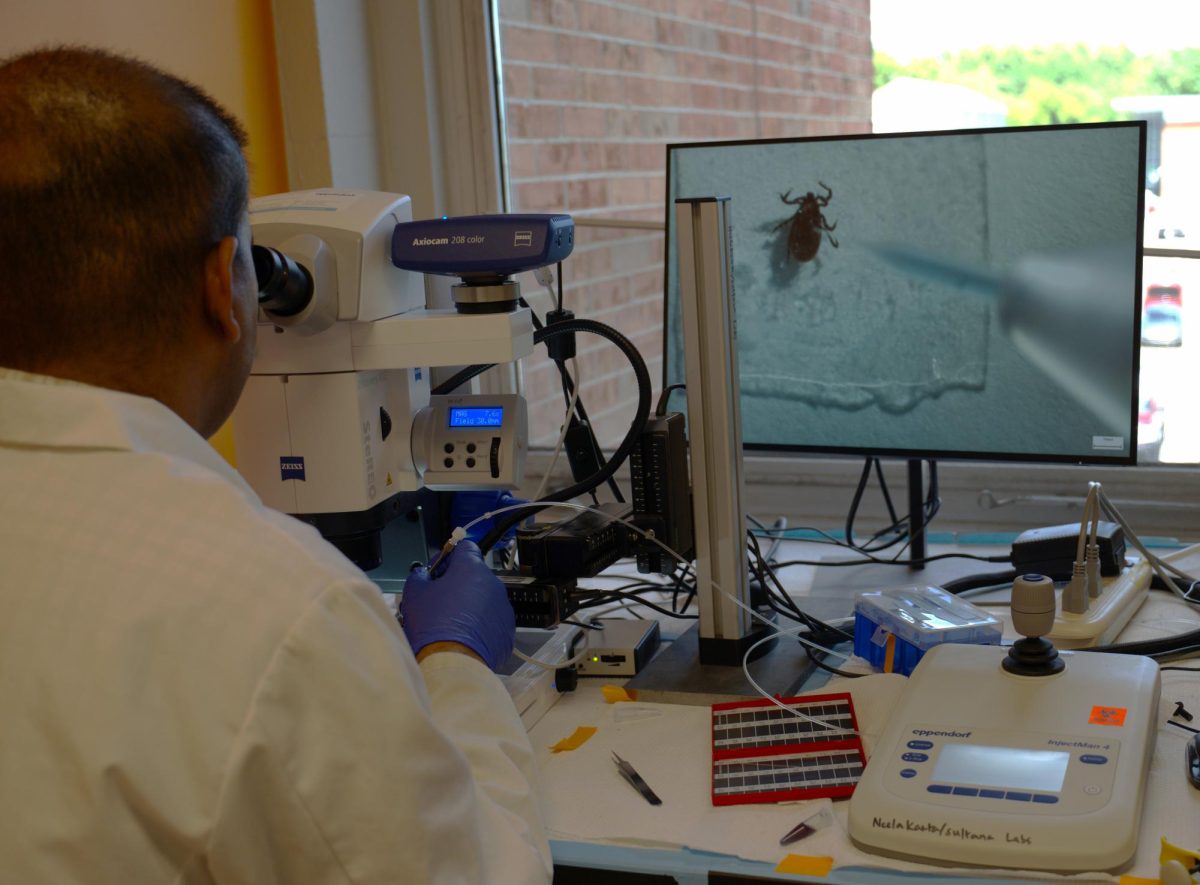
Sorochan, distinguished professor of turfgrass science and management, has spent years developing turfgrass research that FIFA is now using in the 2026 World Cup.
With five indoor stadiums at play in this year’s World Cup, keeping consistent pitch conditions is important to maintaining player safety and creating an environment that players feel confident in.
“This is the world’s biggest stage,” Sorochan said. “More eyes are on this than anything in the world.”
Alan Ferguson, FIFA’s senior pitch management manager, has helped coordinate research efforts between UT and Michigan State University since his initial conversation with Sorochan eight years ago.
“One of the easiest decisions I have made around this tournament so far was the partnering of UT and MSU universities,” Ferguson said. “Both already had world-leading reputations, both already led by world-leading turf professors. I didn’t want to reinvent the wheel. It was already here.”
UT hosted Ferguson and other FIFA officials in March at a research field day event to celebrate the research and discuss its progress 100 days out from the tournament.
“Each time we come to UT, we see how much momentum this research collaboration has created,” Ferguson said. “UT and Michigan State have helped FIFA turn complex research into practical venue-ready guidance. With the tournament fast approaching, the progress we reviewed at this field day reinforces how valuable this collaboration has been in preparing natural grass pitches that can perform consistently across all host venues.”
Sorochan has developed a strong relationship with FIFA throughout his years working with the company, bringing that connection back to UT as a professor and mentor. FIFA hired two UT students after their work in the project, Sorochan said.
“They’re supporting research and science at an independent university, and it’s a good image,” Sorochan said. “I think it’s a great story, and it’s been a privilege and an honor to be able to work with FIFA.”
Sorochan pointed out the research’s alignment with UT’s broader campus goals.
“It falls in line with the mission of the university of making life better, starting with our students at UT, to people that are going to be around the world that are going to have better, safer sports fields because of this,” Sorochan said. “And that’s thanks to UT and FIFA.”
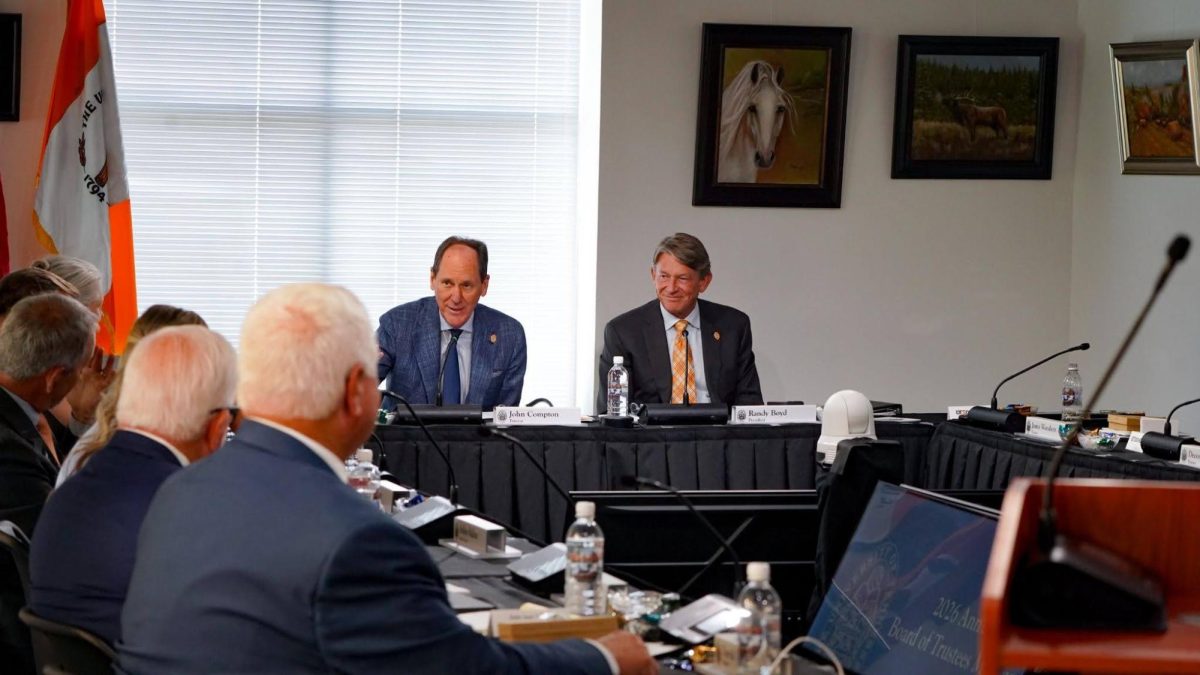
Chancellor Donde Plowman has spent years emphasizing UT’s place as a research university, saying in her 2025 flagship address that building a larger research footprint will take UT to the “next level.” Plowman shared her goal of reaching $550 million in research expenditures by 2030 at a UT board of trustees meeting in March.
“Her vision is academics and student experiences, research and athletics,” Sorochan said. “We tick all three boxes.”
As the tournament nears, Sorochan said he has been able to reflect on the project with more satisfaction than stress.
“Two years ago, I was waking up every night at 1, 2, 3 (a.m.) worrying about this,” Sorochan said. “I’m actually starting to sleep better as it’s getting within 60 days of the World Cup.”
Sorochan said he is planning to attend two of the tournament’s games to see the outcome of his research in action.
“We’ve done so much work to prepare for it,” Sorochan said. “Now it’s becoming exciting as a researcher and a fan.”