UT President Randy Boyd conducted a review of the UT System Strategic Plan at Friday’s board of trustees meeting.
“This team works so well together,” Boyd said. “People may forget about some of the details we share, but I think they walk away with the feeling that this is one UT team that works together and thrives together.”
In addition to the system-wide plan, campus chancellors, including UT Knoxville Chancellor Donde Plowman, gave individual reports on campus-level improvements.
Plowman emphasized UT’s current ranking in the U.S. News college list.
“We are ranked 102 right now. 102. That is not good,” Plowman said. “The major factor is our six-year graduation rate.”
The six-year graduation rate is the percentage of first-time, full-time undergraduate students who complete their bachelor’s within six years at the same institution. Since 2019, the six-year graduation rate has increased from 72.2% to 74.5%. Plowman’s goal is to hit 80% by 2030.
“There’s one metric that’s guiding everything that we’re going to do, and it’s the six-year graduation rate,” Plowman said. “Everything that we are going to do to move the six-year rate also moves the four- and five-year graduation rate.”
Plowman’s approach to raising the six-year graduation rate includes doubling the honors program enrollment from 2,000 to 4,000 students and supporting Pell Grant students through a program called Rocky Top Scholars, which would create specialized academic support for students funded by the grant.
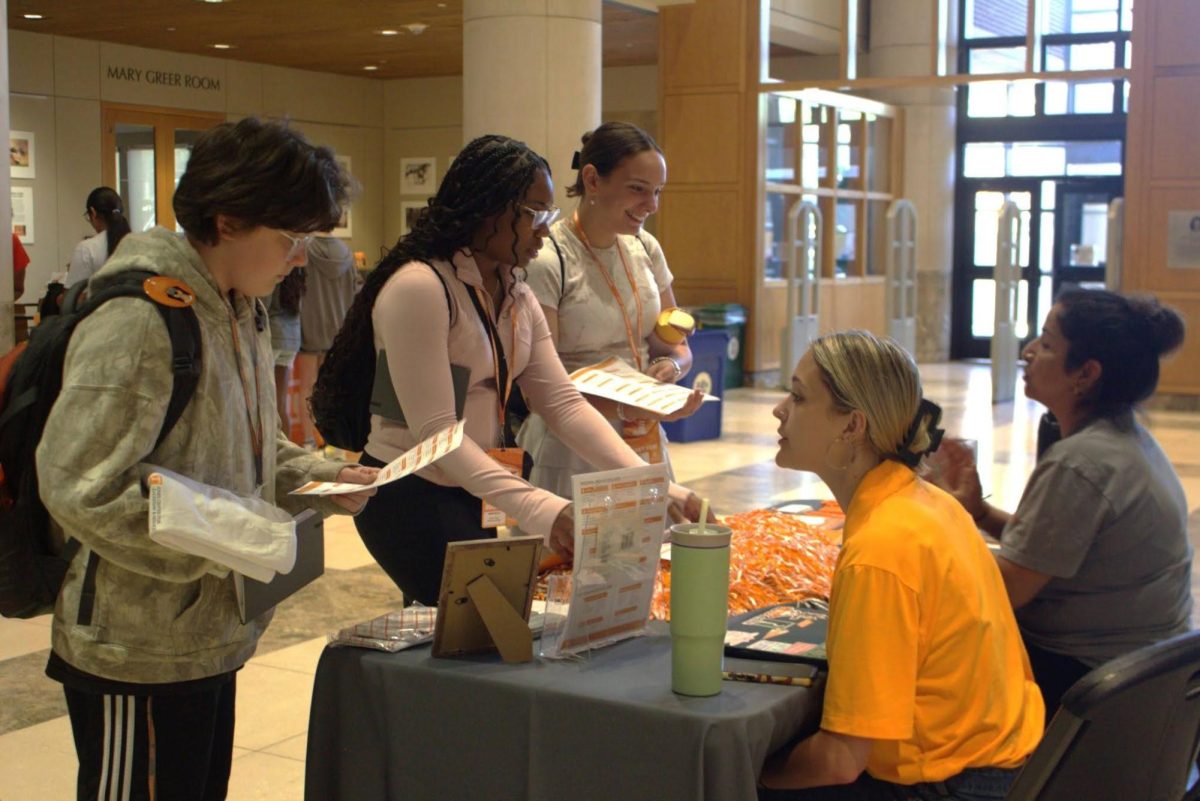
“We know the biggest reason students don’t persist is not academic,” Plowman said. “It is, ‘I didn’t find a community. I didn’t find friends. I didn’t know what the hidden curriculum is.’”
The six-year graduation rate for Pell Grant students has risen from 62.1% to 62.8% since 2019, and Plowman hopes to reach 72% by 2030. There is a gap of over 15 percentage points in the six-year graduation rate of Pell Grant and non-Pell Grant recipients.
“We can fix that, and we know how to do it,” Plowman said. “That Rocky Top Scholars program is going to help with it.”
Plowman also aims to raise UT’s social mobility ranking. UT is currently ranked 294 on the list, and Plowman’s goal is to be in the top 50 by 2030.
UT plans to emphasize improvements as a research institution.
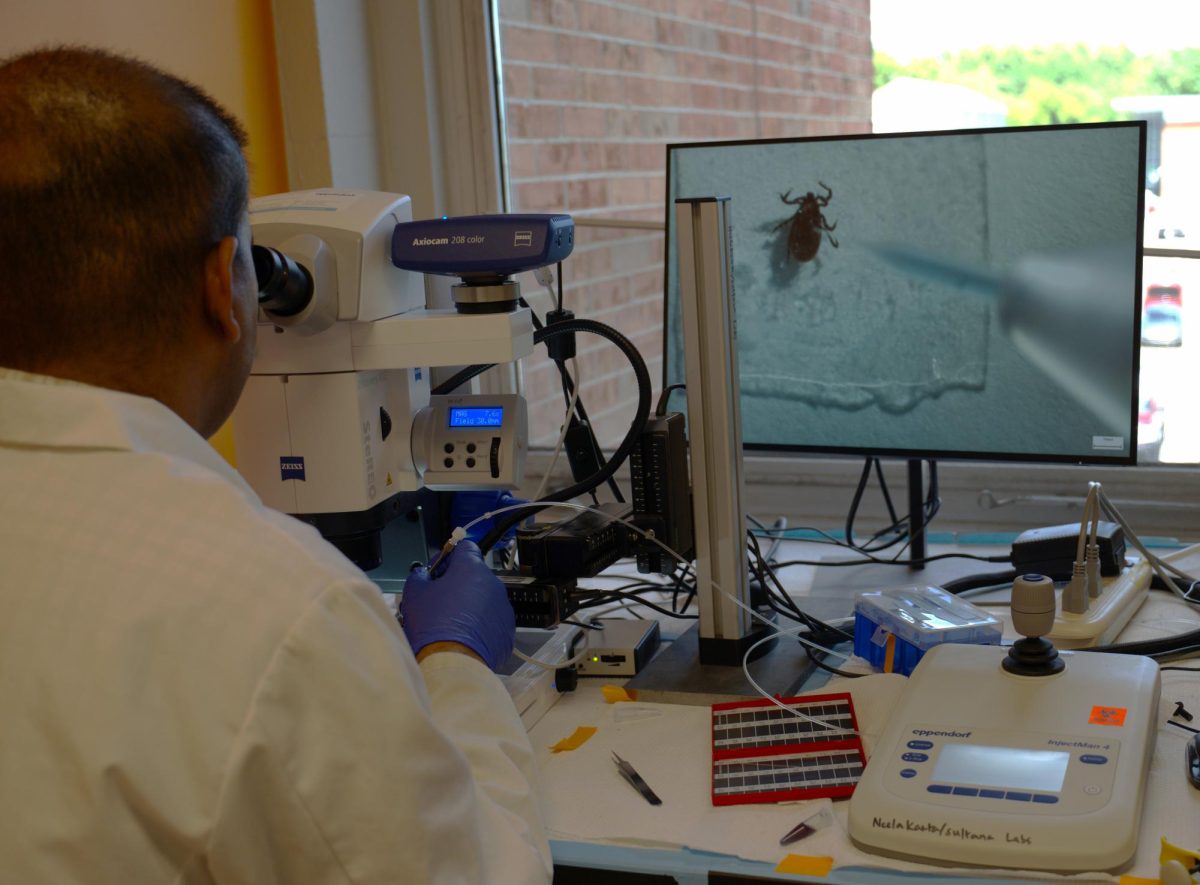
“We set a goal of $550 million in research expenditures by 2030,” Plowman said. “In order to achieve that goal, two things have to happen, the only two things in our way. We don’t have enough faculty, and we don’t have enough research facilities.”
UT has plans to add 495,000 square feet of research facilities between 2027 and 2030, including a national security prototype center, new computing and engineering buildings, and a cancer center.
“You might look at this and say, ‘Those are audacious goals,’” Plowman said. “But are they unrealistic? No.”
The UT board of trustees will reconvene for its annual meeting June 29 to 30 at UT Southern.