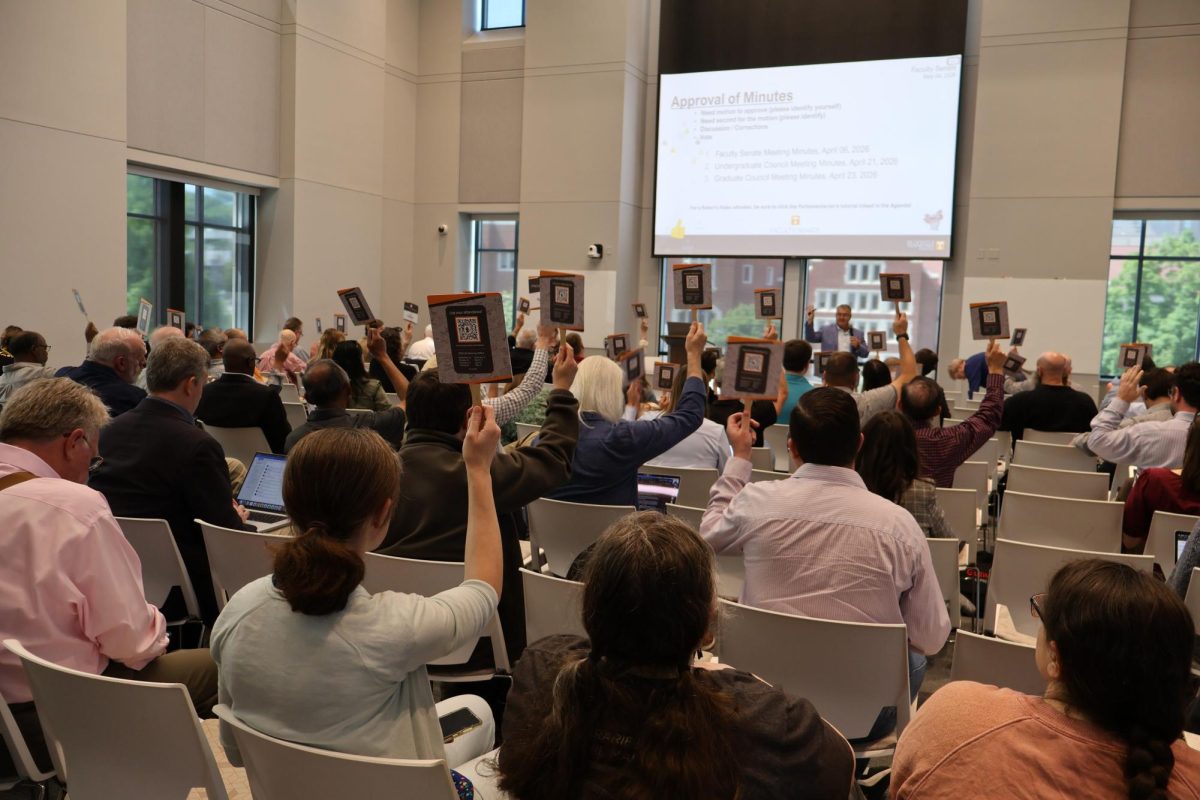
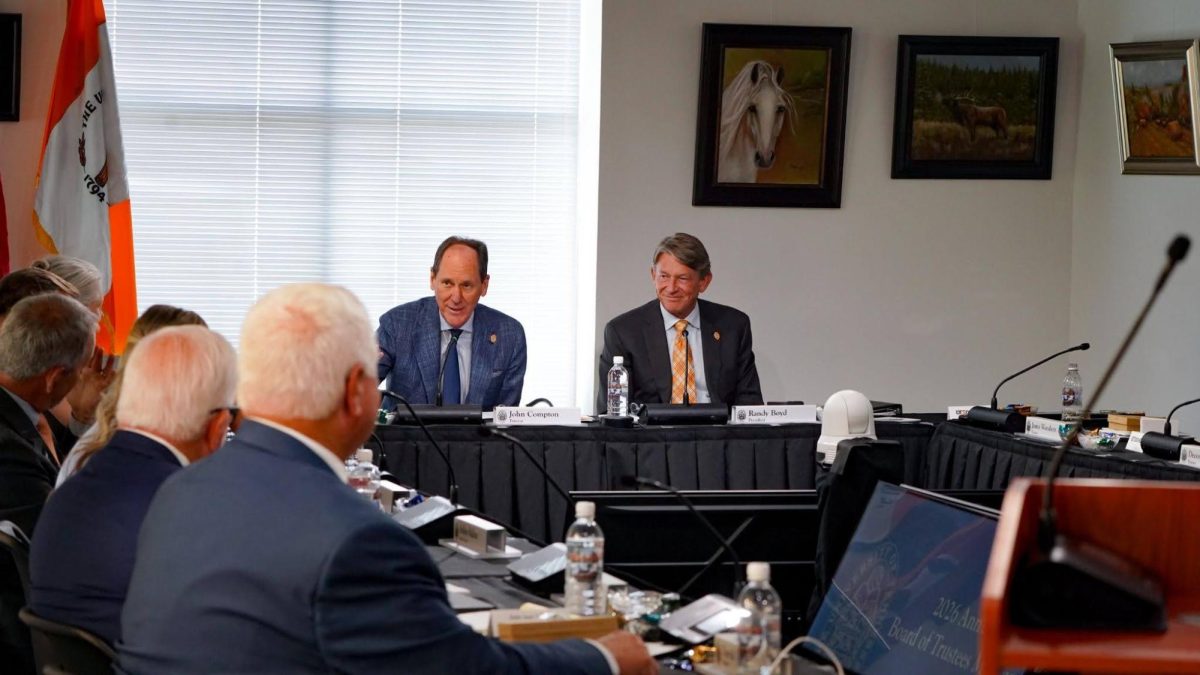
Three of University of Tennessee’s board of trustees committees met in Memphis Thursday afternoon leading up to the board’s winter meeting.
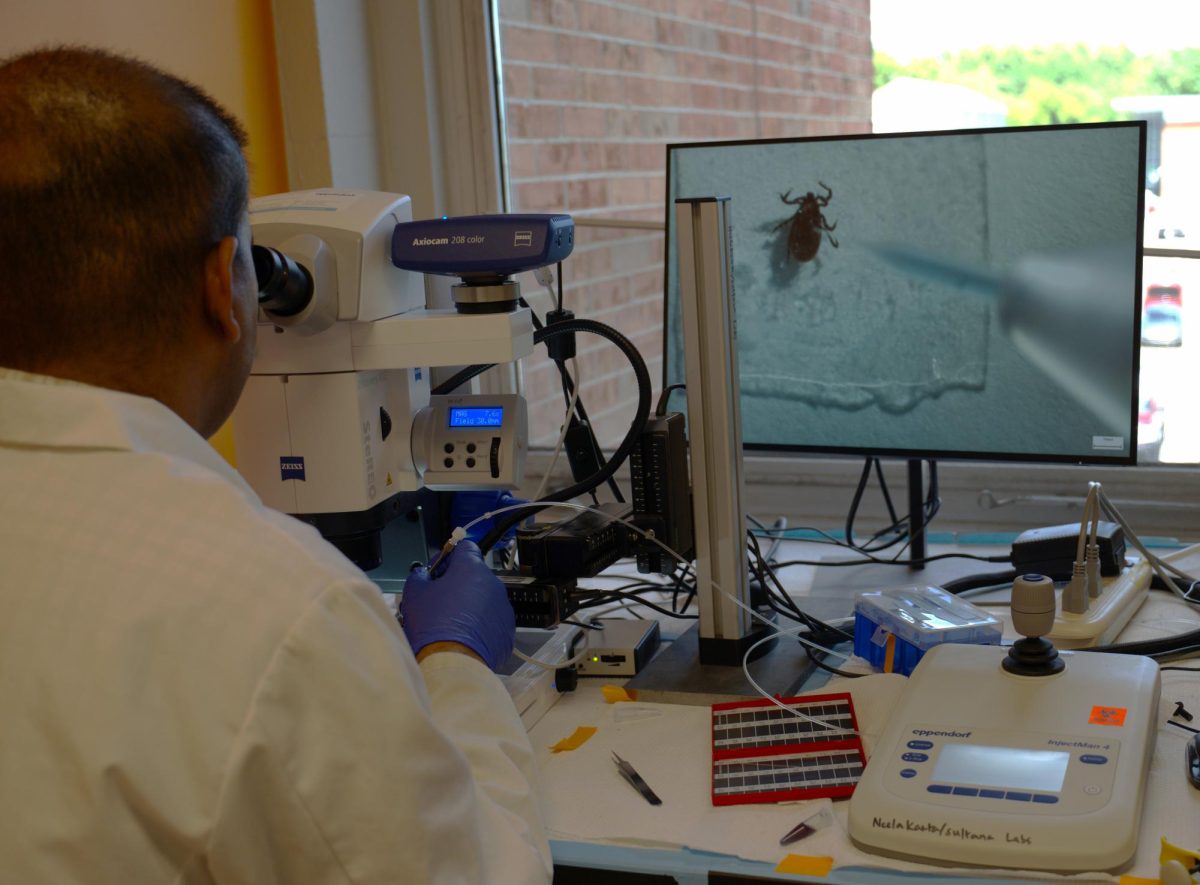
The board passed a proposal adding a Bachelor of Science in bioinformatics to UT’s academics, which would focus on agricultural data and the management of resources.
“This program is designed to be a high-impact investment in Tennessee’s economic future, and it will be accomplished with little to no new institutional costs,” UT Provost John Zomchick said. “Employers need graduates who can interpret complex biological and environmental data sets.”
The program will be integrated into UT’s Herbert College of Agriculture in the fall 2026 semester.
“This is not a theoretical program,” Zomchick said. “It is applied, employer-relevant and built to produce workforce-ready graduates.”
The new program is projected to bring in $24,912 in tuition revenue in the 2026-2027 school year and increase to $391,118 in the 2030-2031 school year.
“This program is strategically aligned with our state’s priorities, workforce-driven and is a fiscally-responsible academic program that builds on the University of Tennessee, Knoxville’s strength in agriculture and data analytics,” Zomchick said.
The board approved the governor’s budget for the 2026-2027 fiscal year, which set aside over $235 million for UT housing redevelopment, which would equate to the addition of around 1,500 new student beds.
“The inclusion of these projects in the annual state budget amendment, which would go into effect July 1 of this year, enables UT, but doesn’t obligate us, to start the design work on these projects over the next two-year period,” Austin Oakes, associate vice president of the department of capital projects, said.
The committee also reviewed the results of the fall 2025 Student Experience Survey, which received 20,717 responses system-wide.
The statement with the strongest percent of agreement read, “My campus offers the resources and/or support needed for my success as a student,” with 76% of respondents agreeing. The statement with the lowest percent of agreement read, “I believe my campus listens and responds to student needs,” with 54% of respondents agreeing.
Both the system and UT saw increased agreement in each statement since 2021.
“Every need is met with support and efficiency,” one UT student responded. “I would recommend (UT) to anyone seeking a positive and successful collegiate experience. I’m honored and extremely proud to be a Vol!”
The board reported a 6.6% increase in gross tuition and fees revenue — or an increase of over $70,000 — as a product of system enrollment increasing by about 4% in the last year.
“The main driver here of the revenue increase is the 4.4% enrollment, and not increased fees on students,” UT Treasurer Luke Lybrand said.
The board approved the acquisition of the Cherokee Mills Complex property, which will provide more space for educational and operational needs.