In its pilot episode, the satirical comedy series “Portlandia” has a couple visit a Portland restaurant and drill the waitress with questions about the chicken they are considering ordering.
The waitress answers the pair’s over-the-top questions in stride, even bringing the couple a booklet detailing the chicken’s life prior to its presumably peaceful earthly departure. The couple ultimately decides to interrupt their ordering and take a “quick trip” to the farm, located 30 minutes from the restaurant, to ensure the quality of life the chicken was able to enjoy.
While it can be easy to watch a scene like this and laugh, the reality is that the agriculture industry is currently facing unprecedented challenges that are often compounded by marketing gimmicks and uneducated consumers. Even Bill Nye the Science Guy has flip-flopped his stance on genetically modified organisms, or GMOs, which underscores the importance of research and education when it comes to agriculture matters.
From “All Natural” to “USDA Organic” and “Free Range” to “Cage Free,” it can be challenging to ascertain what, exactly, each label means and why or why not it is important to have such distinctions. Furthermore, it can become challenging for smaller farms that concern themselves with such distinctions to gain strong market penetration and achieve sustainable profitability.
Taylre Beaty is a rising senior in food and agricultural business who has spent the majority of her life working in and learning about the industry and many of its overall challenges.
“I think it’s a struggle for organic farms right now to be completely sustainable and successful … Part of it is just that they incur a lot more labor expenses,” Beaty explained. “It’s very cost inefficient a lot of times for small, organic farms.”
While Beaty is sympathetic to the challenges faced by small-scale and organic farms, many of which abstain from using pesticides and GMOs, she is not opposed to offering consumers an alternative to these types of farms and practices.
“I think consumers should definitely have a choice in what kind of food they consume,” Beaty said. “You have to meet all the demographics … I just feel like they need to be educated about it.”
One instance she explained relates back to the “Portlandia” ordeal. According to the USDA, it is illegal to add hormones to poultry or pork — thereby making the label “hormone free” a questionable one that is unusable unless proceeded by the statement, “Federal regulations prohibit the use of hormones.”
Beaty also discussed misconceptions of farms that use controversial farming methods, such as employing the use of GMOs or pesticides — practices that yield more predictable crops.
“I think what organic farmers do, that is awesome … That they put that much work into it and that they’re that passionate about it,” Beaty said. “… But if we took pesticides and GMO seed out … We would have a thousand of these little farms that were trying to feed (billions) of people. So my problem is not at all that people want to have organic farms or non-GMO … It’s this consumer trend of pitting people against each other. I don’t think that we, as the agriculture industry, need to pit each other against one another; I think we should work together.”
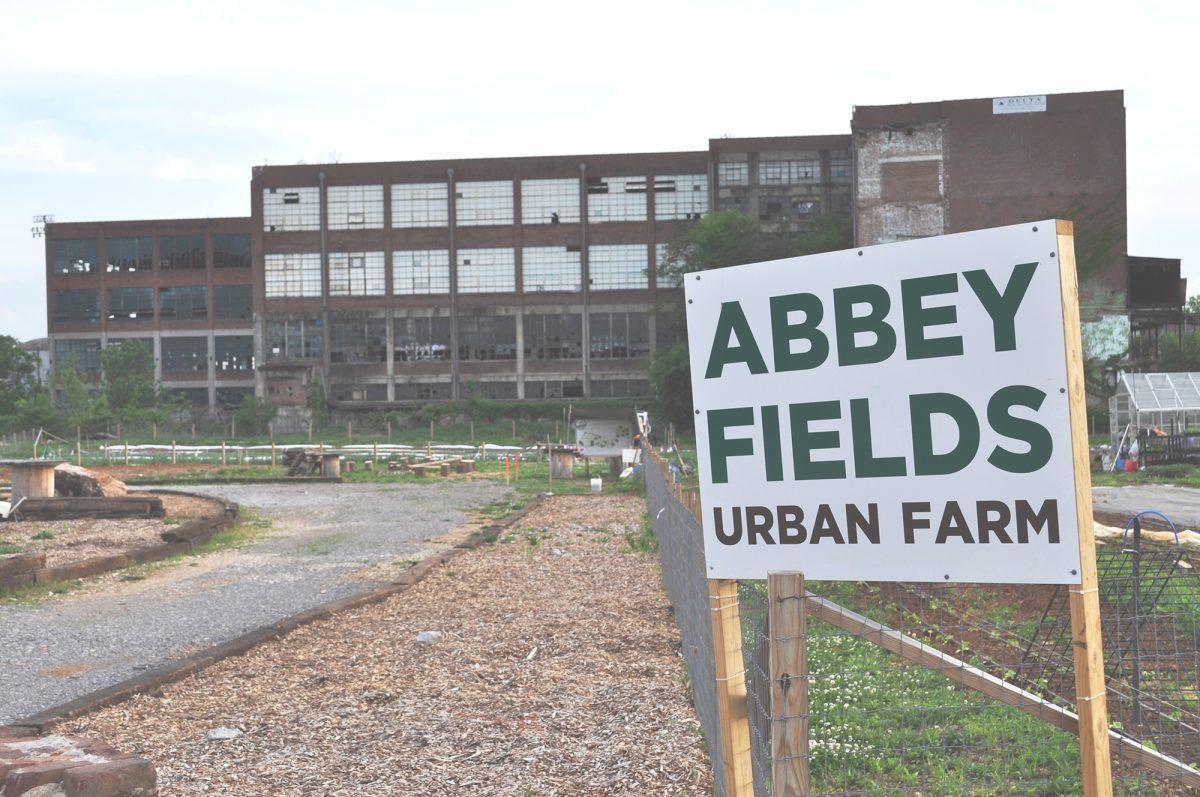
Regardless of one’s stance on this, a great deal of passion often fuels the work that farmers do, small-scale or otherwise. One such farmer is Brenna Wright, owner and founder of Abbey Fields Farm —a development and community supported agriculture operation located at 1400 Washington Avenue in Knoxville.
For Wright, Abbey Fields began as somewhat of a cathartic practice for her that simultaneously stood to have far-reaching impacts on the community as a whole.
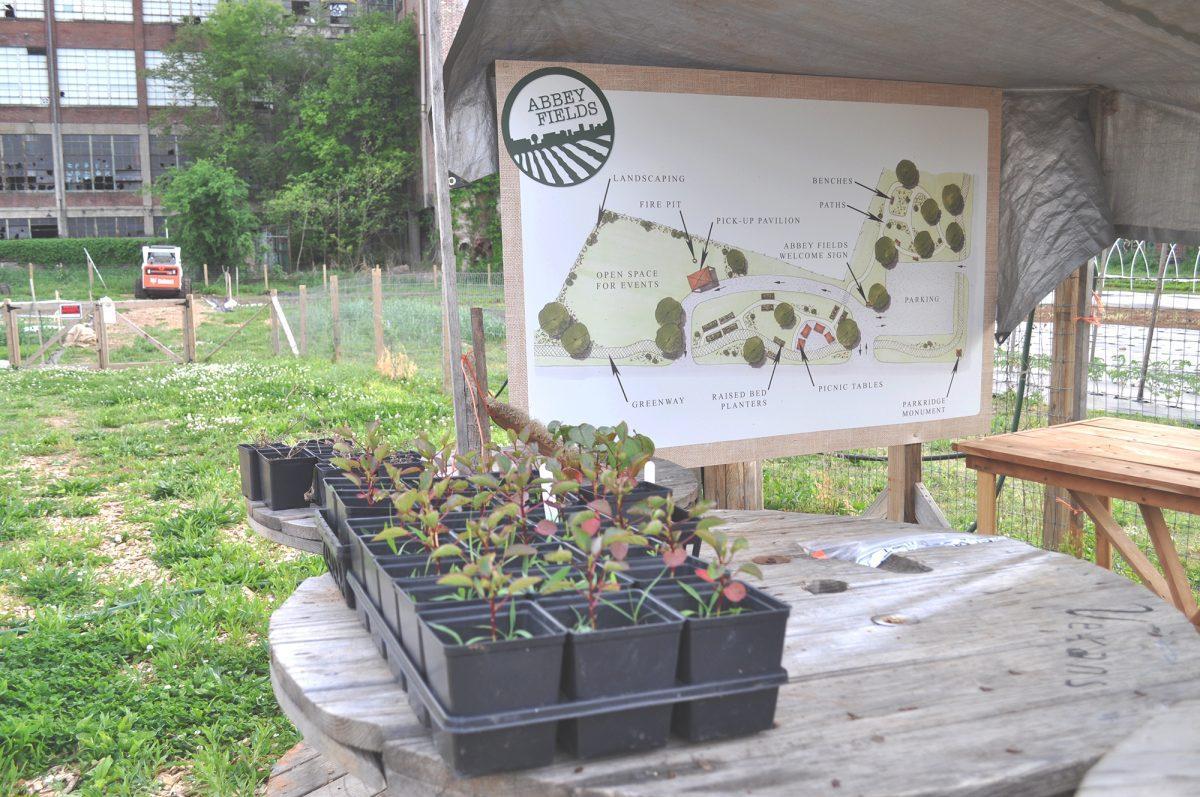
Abbey Fields is located right outside downtown Knoxville for local harvesting
“Everything that we do, we want it to be for the better — for the better of the land, the people, the vegetables, for every part involved,” Wright said.
While in college, Wright started learning about farms similar to Abbey Fields that are located in other states.
“They were just kind of recycling land, and I thought what a cool idea to do in a city — to kind of recycle, repurpose, make blighted lots good again,” Wright said. “It just changes the atmosphere enough in the neighborhood to foster a little more civic pride and to just care for things better.”
Although Abbey Fields is not yet certified as organic, since the process is a lengthy one that supersedes their years of operation, refraining from the use of pesticides, GMOs and like practices is a non-negotiable for Wright and her farm.
“We come in here and want to farm that land the best way that we know how, which means not adding toxic substances, which means working with the natural cycles of seasons and plant life, and that’s going to benefit us,” Wright said. “And it can be an economical advantage for us, because we’re not buying all these chemicals to do this to try to control it and then the land is better for it too.”
In sum, both Beaty and Wright stress the importance of being informed and both are passionate about their industry.
“I’m very passionate about agriculture,” Beaty said. “I love farmers; I love what they do, regardless of what kind of farm that they have.”
“What I found was that, coming back to the ground, I’m overjoyed because I can’t figure it out,” Wright said. “It’s nothing I can master … Spring will always be amazing and fascinating, and that’s awesome.”
To learn more about agricultural matters and issues, visit the UT Institute of Agriculture website, where you can view research and find resources for more information and assistance.
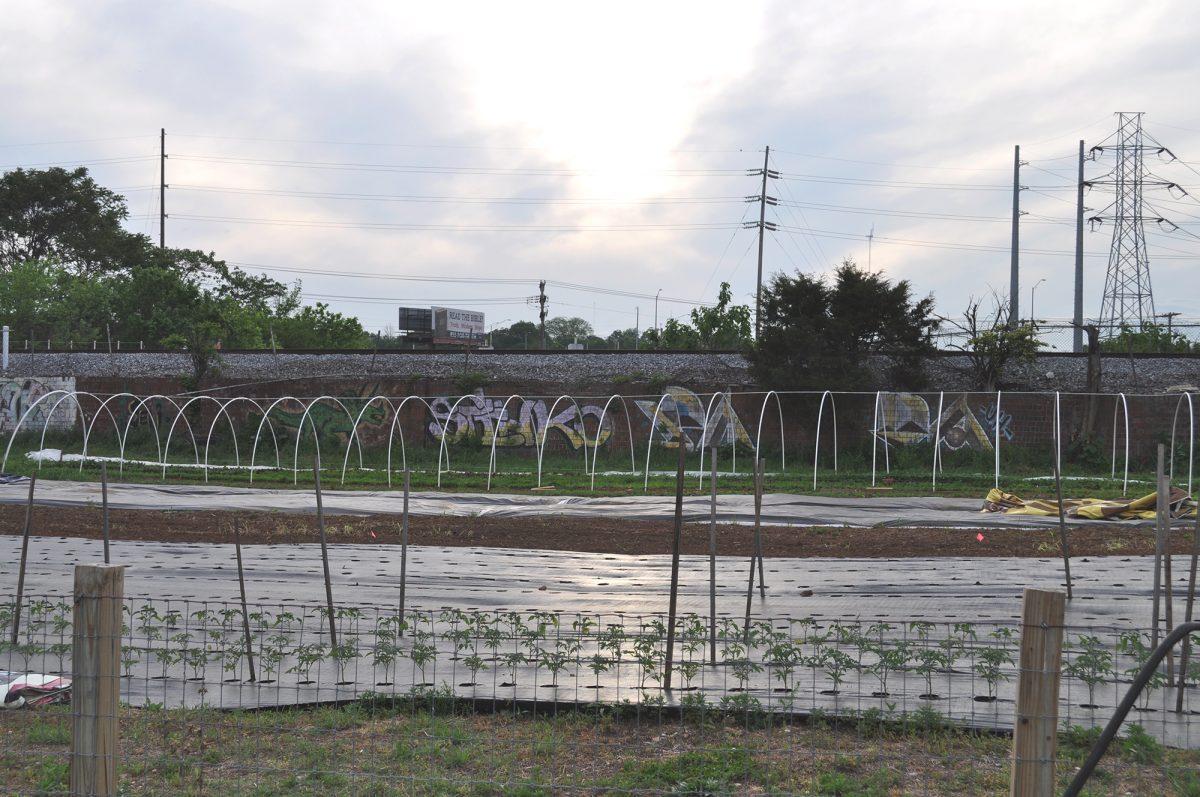
Abbey Fields is located right outside downtown Knoxville for local harvesting.