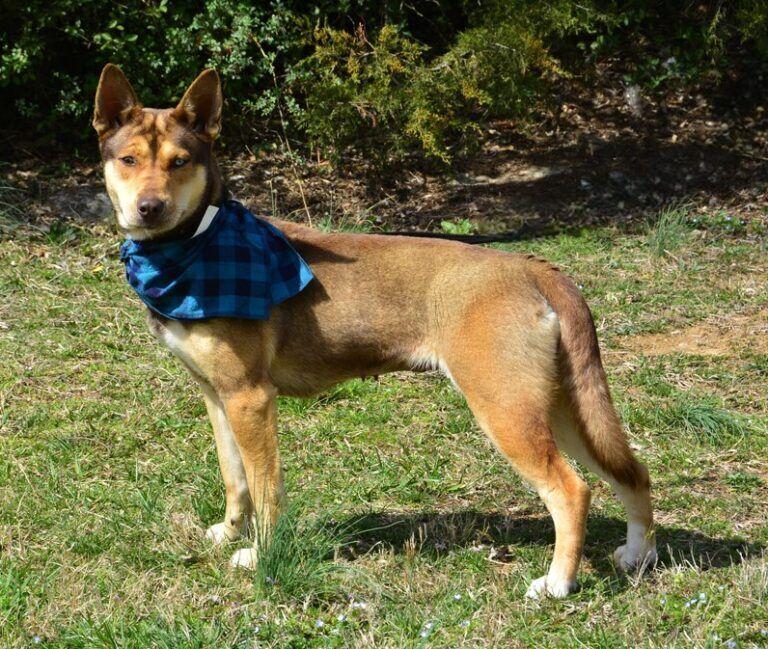
Humans and Animal Learning Together, a nonprofit 501(c)(3) program, conducts four-week long obedience training classes. The goal of this program is to provide intervention for teens while also improving the adoptability of rescue dogs.
H.A.L.T. was established in 1987 at the University of Tennessee College of Veterinary Medicine, which collaborated with local shelters, rehabilitation centers and professional dog trainers.
The adolescents for this program are selected from local residential treatment facilities, and the dogs are rescued from animal shelters. Each session lasts four weeks with two classes each week.
“When the kids get there, the volunteers already have the dogs out,” Julie Gause, the H.A.L.T. board of directors president, said. “They work with the dogs directly on basic obedience. The kids and the dogs work together for 30 to 40 minutes, and then we have educational sessions at the end, talking about how to take care of dogs.”
Classes are held each fall and spring and are led by volunteers. Following each session, the dogs are adopted into suitable homes where they can use the skills they learned during the program.
Since H.A.L.T. was established, the program has saved over 350 shelter dogs from euthanasia and worked with 1,400 teens.
“What we see when a lot of the kids come in, they can be a little shutdown, disinterested, sometimes they act out and to a fault, by the end, they are so in love with their dogs,” Gause said. “They write these beautiful letters to give to the people who adopt the dog, talking about how they themselves have changed during the session.”
For Gause, the success of this program is not about one specific story but the consistent growth she has observed in every H.A.L.T. session.
“From being a little disengaged to many times in tears because they are so attached to their dog, and they don’t want to leave the dog,” Gause said. “The realization that what they have done has helped the dogs find their best home, their best life, and that really resonates with a lot of the kids.”
H.A.L.T. is influential not only because of the kids’ work with animals but also because of how they are treated during the program.
“We have feedback that they enjoy being treated like an adult,” Gause said. “They are given responsibility, and we trust them. We don’t know their backgrounds, and we don’t know their stories. They are equal with everybody else there.”
Despite the program’s success, things changed after the pandemic for every dog rescue group and nonprofit, according to Gause. Finding the support and the volunteers to help run classes has been difficult.
During the coronavirus pandemic, Gause witnessed a boom in dog adoptions, but now, not many people are looking to adopt. Financial support has also been a hurdle for the program.
“We are always looking for donations. It is not cheap because the dogs live in a kennel environment for at least two or three weeks before the session begins,” Gause said. “They go through veterinary treatment there, and then they live in a kennel for the four weeks during the session. As you can imagine, expenses add up.”
Despite these difficulties, H.A.L.T. is giving dogs a second chance at life while also helping at-risk youths discover self-confidence and responsibility.