
As students on Rocky Top prepare for an intense week of final exams, the focus often shifts to late night study sessions and copious amounts of caffeine. While these strategies may yield short-term solutions, the utility of maintaining prolonged healthy habits that support academic performance tends to be overlooked.
One such habit, maintaining a healthy gut microbiome, has garnered rising curiosity in clinical research. Emerging research suggests that the trillions of microbes inhabiting our gut play pivotal roles in physical well-being and cognitive function. Connecting gut-brain health and academic success is a fascinating area that deserves attention. This column seeks to illuminate how protecting one’s gut microbiome could play a major role in performing optimally during finals.
The gut-brain axis, a bidirectional network between the gut and brain, mediates the relationship between gut health and cognitive function. The gut houses a complex ecosystem of bacteria, viruses and fungi that send chemical messages to the brain along nerves, modulate circulating hormones and influence immune system activity.
These pathways impact neurotransmitter release in the brain which, in turn, alters mood, attention and cognition. Particularly relevant neurotransmitters affected by gut-brain communication include dopamine, which orchestrates motivation and reward. Additionally, serotonin influences emotional processing, and gastrointestinal motility and glutamate mediates learning and memory.
Research suggests that diverse and thriving microbiota contribute to stress resilience and emotional well-being, which are factors crucial for handling the pressures of finals. Conversely, an imbalanced gut microbiome may perpetuate symptoms of anxiety and depression, hindering the ability to think critically and focus.
The adage “you are what you eat” gains nuance when considering this gut-brain connection. The food we eat directly influences gut microbiome composition and activity, which, in turn, affects cognitive function. A diverse, fiber-filled diet provides essential nutrients for both the body and microbiome, which contribute to a resilient immune system, reduced inflammation and improved energy levels — factors that augment the ability to manage stress and excel academically. Conversely, a diet high in processed foods, sugars and certain artificial sweeteners generates imbalance in the gut, negatively impacting mental well-being and performance.
The advantages of maintaining a diet that supports healthy gut microbes transcend physical health. Studies propose that diets enriched with fruits, vegetables and whole grains positively influence mood, memory and overall cognitive function. For students facing the rigors of finals, adopting a nutrient-dense diet incurs a strategic benefit, nourishing the brain with the fuel necessary to operate proficiently.
By recognizing the value of a healthy gut microbiome during finals, students can take practical steps to support their digestive allies. Incorporating a variety of fiber-rich foods can provide the nutrients necessary for a flourishing microbiome. Probiotic-rich foods like yogurt and fermented products also contribute to a diverse gut microecosystem. Besides dietary considerations, stress management can further support gut health. Techniques like mindfulness, meditation, physical exercise and adequate sleep actuate the gut-brain axis, promoting synergy between the two.
In conclusion, students should not underestimate the importance of maintaining a healthy gut while navigating finals. The pros of adopting a gut-friendly lifestyle, from supporting cognitive function to promoting emotional well-being, are instrumental in achieving academic success. By recognizing the interplay between diet, the gut-brain connection and academic performance, students can empower themselves to make choices that will set both their minds and their gut on a path to success.
Tyler Myers is a junior at UT this year studying microbiology and neuroscience. He can be reached at [email protected].
Columns and letters of The Daily Beacon are the views of the individual and do not necessarily reflect the views of the Beacon or the Beacon’s editorial staff.
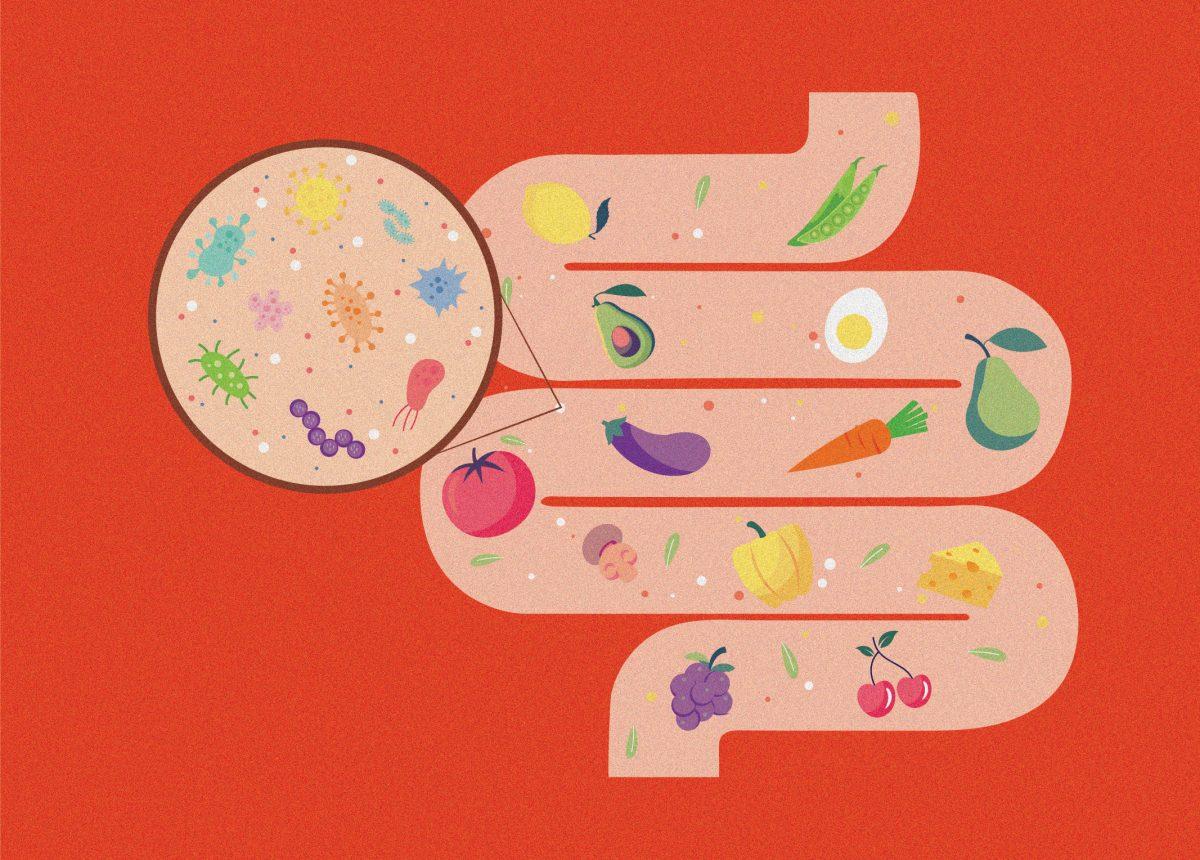
Guest columnist Tyler Myers explains that diets "enriched with fruits, vegetables and whole grains positively influence mood, memory and overall cognitive function."