
Donald Trump’s re-election in 2024, marked by a dramatic narrative of resilience and defiance, has left the country grappling with profound questions about its future.
Surviving two assassination attempts — one on July 14 and another on Sept. 24 — facing 34 felony charges and having previously incited a deadly riot at the Capitol, Trump’s path to victory has been nothing short of controversial.
In September, he vowed to “never surrender” following the first assassination attempt — a mantra that has resonated with many Republicans in these times of disorder. However, in their unwavering support, they have, perhaps unknowingly, surrendered to a wealthy man whose rhetoric is marked by animosity and division.
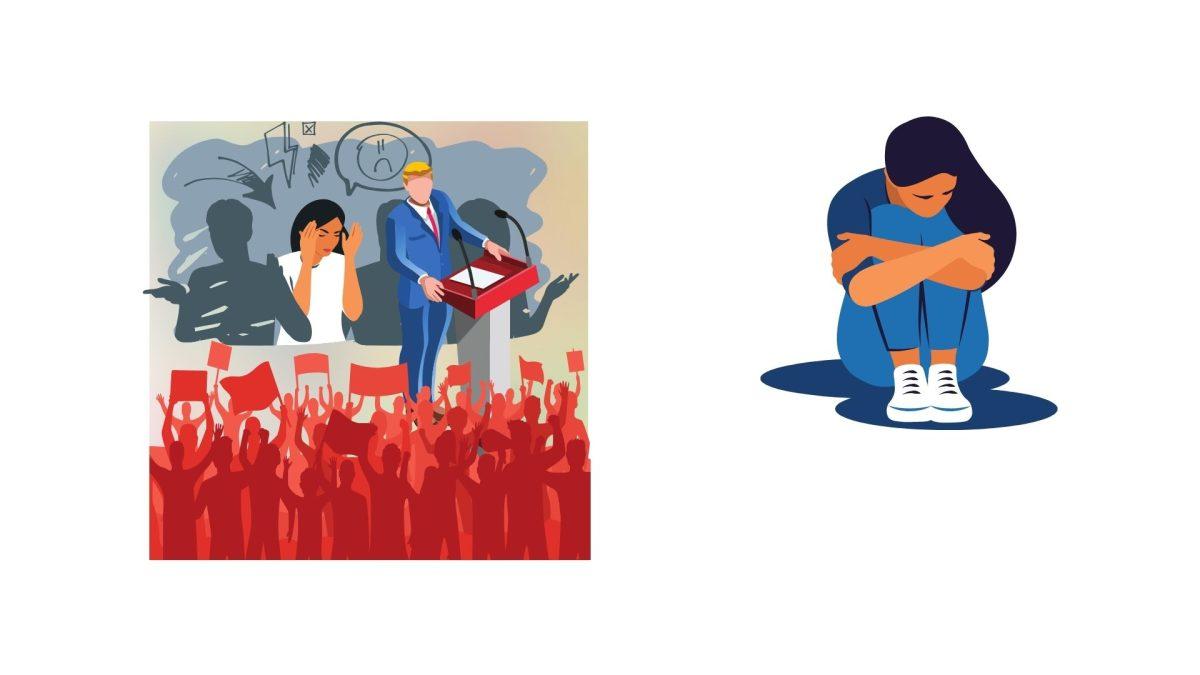
For women, and especially for women of color, Trump’s presidency feels like a step backward. In recent years, we’ve seen women’s rights targeted and threatened, from healthcare access to reproductive freedom. The overturning of Roe v. Wade sent a chilling message, one that goes beyond politics and cuts to the core of autonomy. Now, with Trump back in office, those fears only grow.
“We are living through a time of great anxiety,” M. Gessen, an opinion columnist for The New York Times, said. “It was possible for Kamala to speak to those anxieties with joy, with the politics of care that Tim Walz could have brought into the campaign. None of that happened.”
The anxiety Gessen describes is indeed real. As a woman, I worry. As a Mexican-American, I fear for the impact that this will have on my community and family. Trump’s win speaks to the resilience of his base — a group willing to follow him despite the indictments and the scandals.
But those of us who’ve spent years living under those policies, we view his leadership as a threat rather than a source of strength. His rallying cries for “law and order” often mean more restrictions, more barriers and more fear for those of us who aren’t white, who aren’t wealthy, who can’t afford to live in a world where the stakes aren’t so high.
America has chosen Trump once again, but at what cost? And who will pay that price? Can we find a way forward that truly brings us together, or will women and other vulnerable groups bear the cost of this relentless polarization?
For people like me, this is more than politics. It’s a matter of identity, safety and the promise of a future that respects and protects us all.
¡Viva la raza! Y, si se puede. (Long live the race! And, yes we can.)
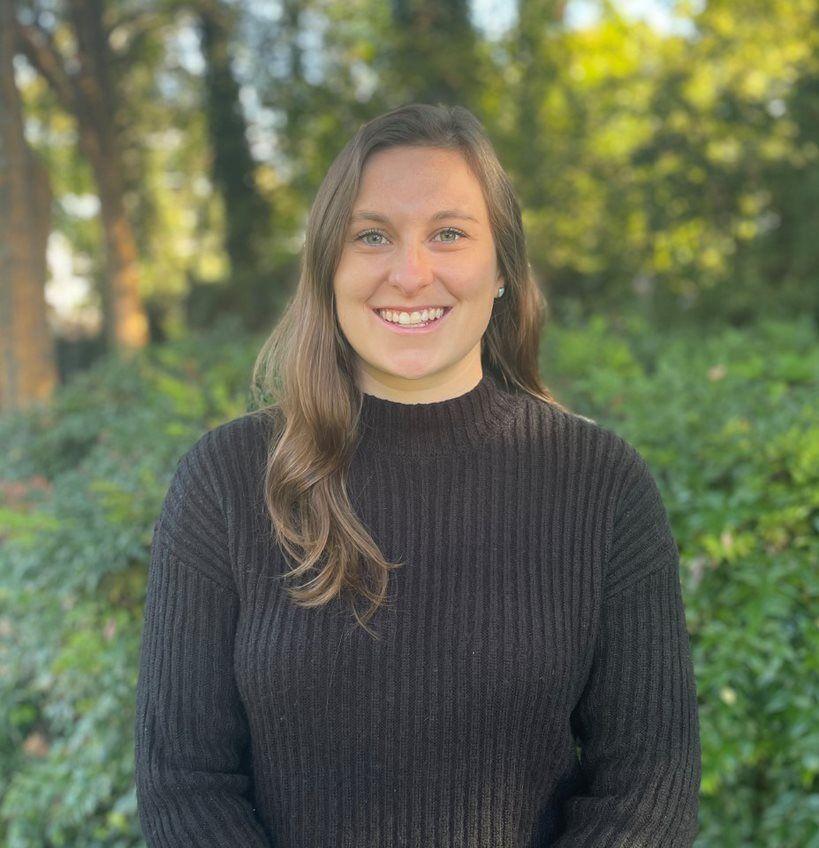
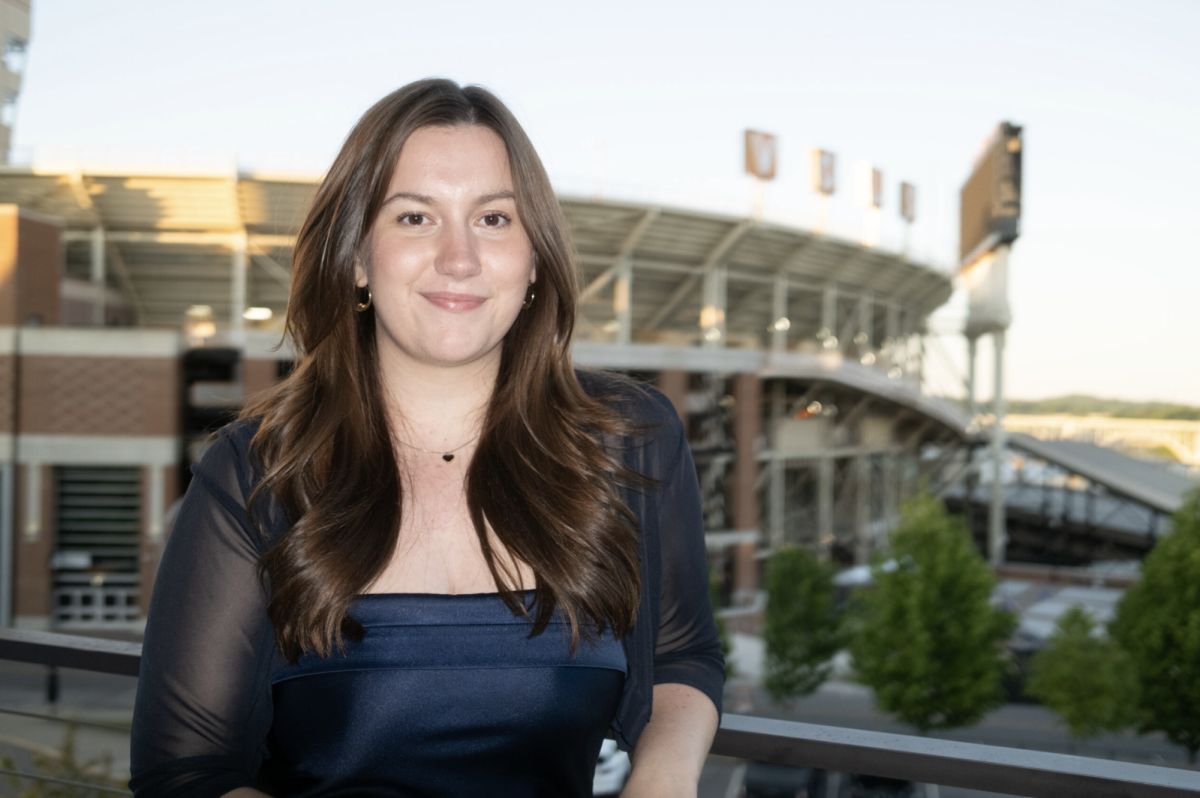
Jennifer Martinez Mendez is a junior at UT this year studying geography. She can be reached at [email protected]