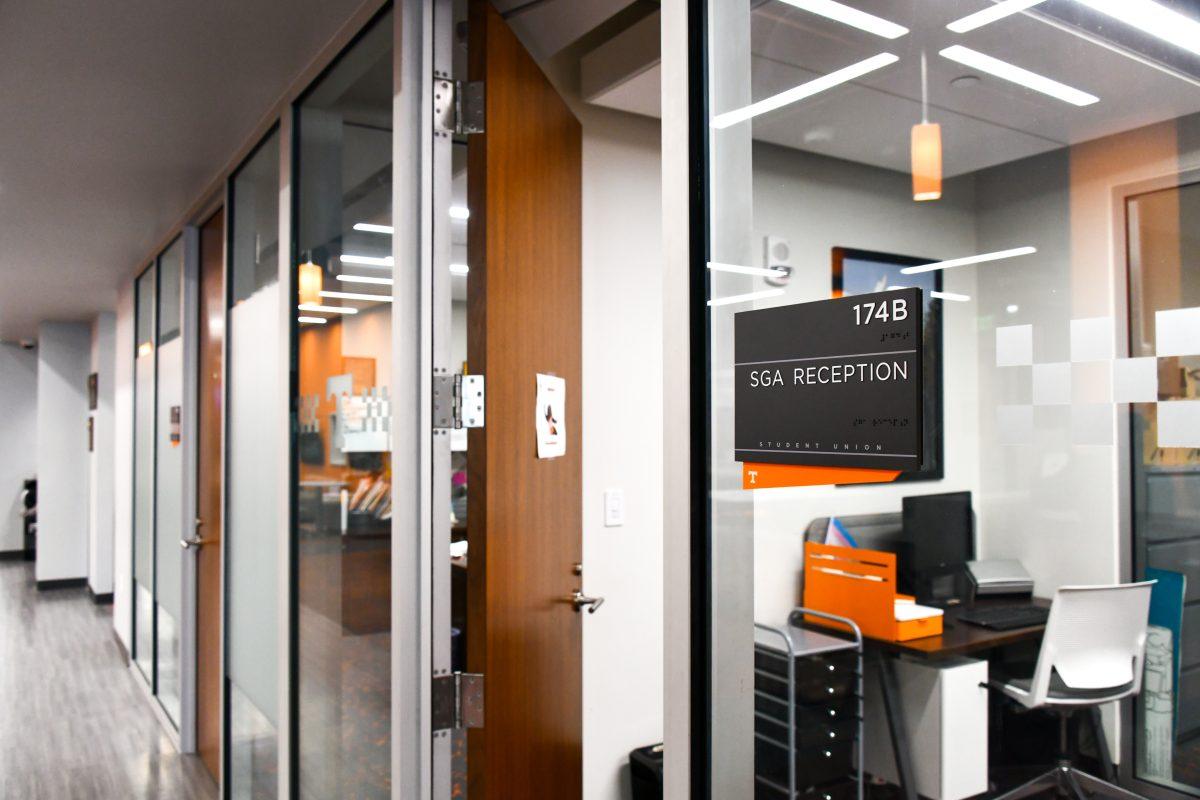
On Thursday, Feb. 17, the Student Government Association held a second interest meeting for the association’s coming up elections. In the recent year, SGA has made some changes, and has taken a different approach on some of the procedures for their campaigning period.
Senior electrical engineering student Will Ray, who is also the election commissioner for SGA, ran the meeting. Ray expressed that the purpose of having a second interest session was to give interested students who could not attend the first a second chance.
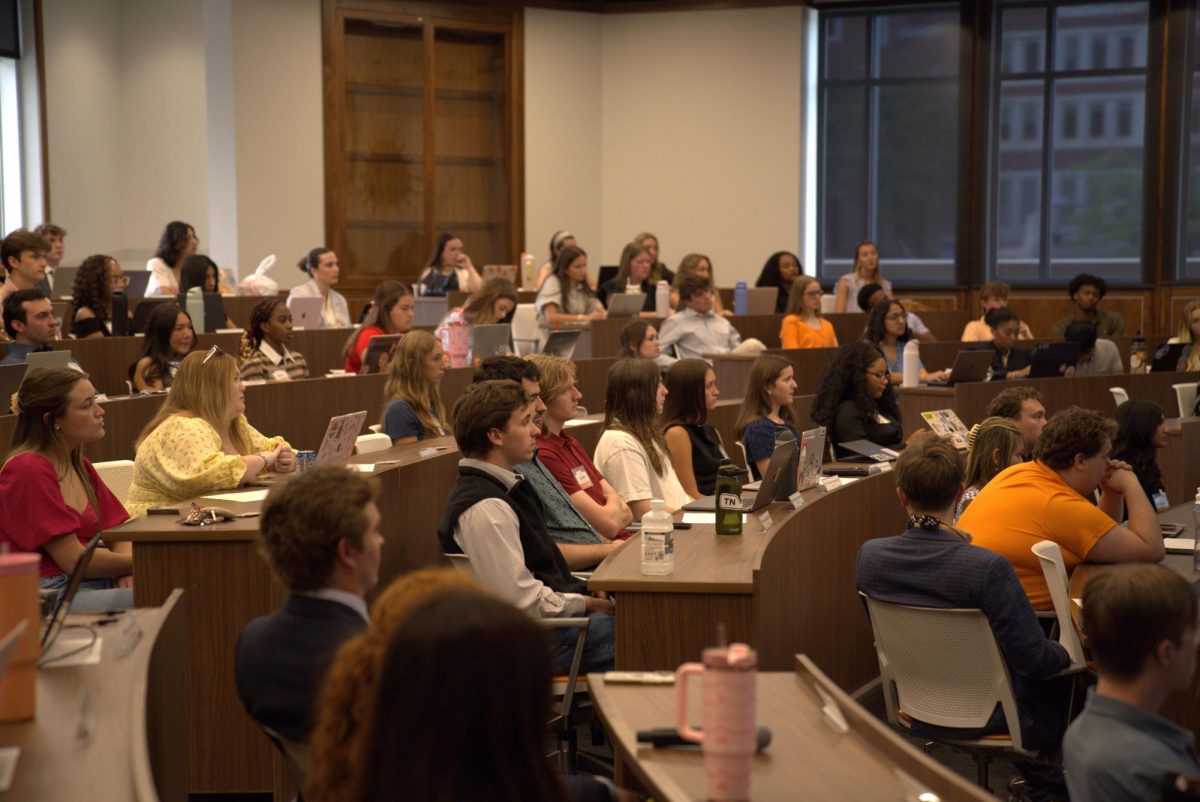
Having a full house at the previous interest meeting, it was not too much of a surprise that the second was less in numbers. Still, there was a great amount of gratitude from the total six students in attendance.
These were not the only changes to the initial kickoff of the campaigning season, however. Different from the previous year, some of the procedures and requirements needed by interested parties have changed.
After the meeting, the campaigning officially began, with an organized form of procedures, registered with different deadlines. That will lead up to the official closing of the ballot on April 5. These procedures are identified in an appendix, which helps map out the overall process for students.
These appendices are represented as A through K with A and B being the first requirements to commence following the end of the interest session. The first two appendices are essentially petitioning and signatures that will be open to potential candidates until March 7. After this, the ballot will then be finalized by March 27.
This year, the amount of signatures have been lowered so that they reflect a more achievable goal. Once at 250 signatures, the petitioning students now only need 150 signatures for executive positions, such as president or student services director.
Ray explained more on this fact.
“The petition requirements used to be a lot higher, I know that a lot of people kind of stumbled even before their campaigns got started,” Ray said.“Because they couldn’t find enough people in the amount of time that could actually sign their petitions.”
As for positions on the SGA Senate, the requirement has changed to 25 signatures, instead of the original 50. Commissioner Ray also felt this was a great way for students, especially underclassmen, to ease into the overall cultivated structure of SGA.
Drew Ohsiek, a freshman biology and Spanish major at UT and a member of the First Year Leadership Council is interested in running for a position in the senate.
Ohsiek believes that people who will be running for the top four will likely be upperclassmen, given their experience with SGA.
He expressed the role that lowerclassmen often play in SGA.
“We still do a lot, we are still proposing new policies to the senate, we are still doing programming, and reaching out to the campus community. But it is a little less intense than the senate,” Ohsiek shared.
Another reform in the campaigning period has taken place due to the impact of nationwide inflation. The SGA Supplemental Funding, usually $2,000, has now seen a 10% increase. This new amount of $2,200 will be used in both monetary and non-monetary expenses.
With hopes that these alterations encourage more students to participate in student government, the SGA commissioners are excited to see SGA and FYLC members alike start their campaigns.