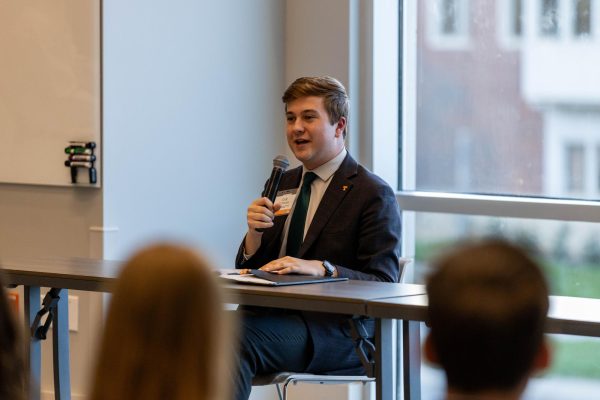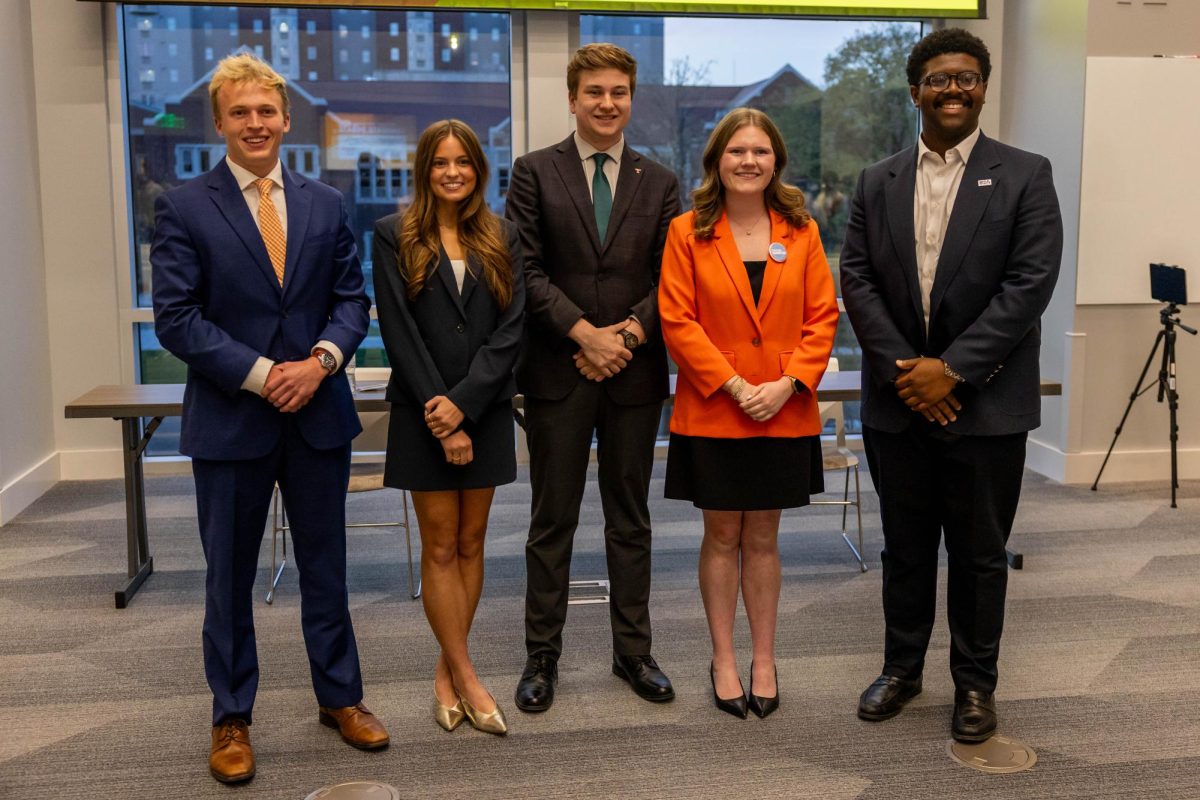
The future student leaders of the University of Tennessee faced an audience of an expectant, curious and possibly even critical student body as they answered questions for the annual candidate debate. The debate, held on March 23, presented candidates with the opportunity to reiterate the roadmap of their campaigns in addition to addressing notable concerns.
Student body president: Caroline Marcus and Zack Duncan
For students voting in the 2026 SGA elections, the biggest question at hand is whether ‘VOLS Run on Duncan’ or if the best course of action is to ‘MOVE Forward with Marcus.’ Zack Duncan and Caroline Marcus faced off against each other in the race to be UT’s 105th student body president.
As Marcus and Duncan are running to fill the position of student body president, many voters are seeking to understand more information surrounding their initiatives and goals. The debate presented itself as a time to do just that as the candidates were asked to share a specific initiative they plan to execute during their term.
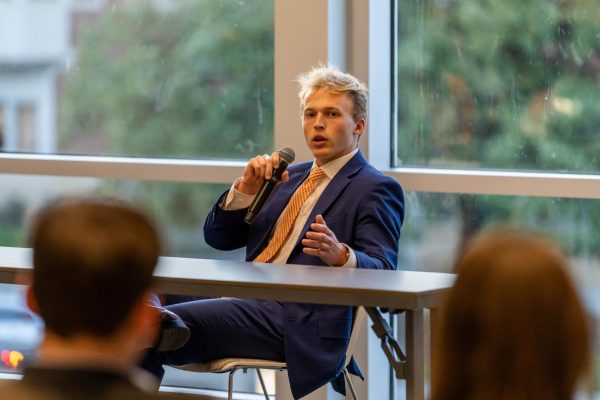
Duncan, who came into the debate prepared to “cut through all of the noise,” stressed that the biggest thing he hopes to accomplish during his term is to be the most “accessible and visible administration out of any administration in the past 104 in (the) university’s history.”
Duncan plans to put this goal into action through actively making his way across campus, seeking out students and their issues. Duncan even introduced the idea of a phone number that students can use to communicate their concerns directly with his administration.
Marcus followed up with her initiative that also streamlined communication. More specifically, Marcus plans to tackle university communication, an issue that has caught her attention during her campaign.
According to Marcus, “the biggest overarching thing, that was a repeating pattern in every conversation I had, was about not only our communication in student government but university wide.” To address this, Marcus plans to utilize student feedback and present it to the administration to formulate the most effective forms of communication.
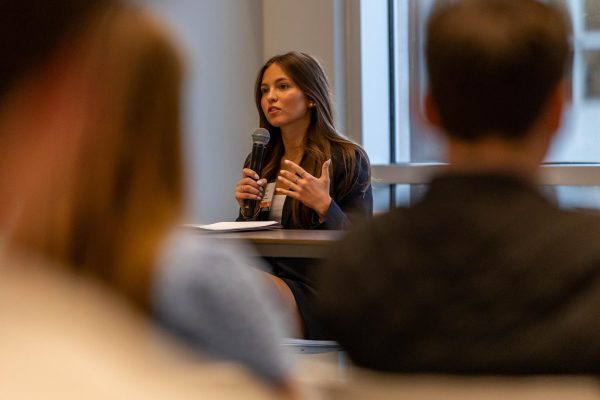
At the end of their closing remarks, both Duncan and Marcus left the audience with words to digest. According to Duncan, when it comes time, voters must reflect on whether they want to “maintain the status quo or see big change.” As for Marcus, she advised voters to “choose wisely and truly consider which candidate has your best individual interest at heart and the student body’s.”
Student body vice president: Anna Beth Thompson and Adarius Parrish
Within the student government, the student body vice president is tasked with overseeing many internal operations and maintaining relationships. Anna Beth Thompson and Adarius Parrish feel up to the challenge of greasing the gears of the machinery that is SGA.
Given that the role of student body vice president is a crucial component of internal organization strength, during the debate, candidates were asked what they would do to improve SGA’s current operations.
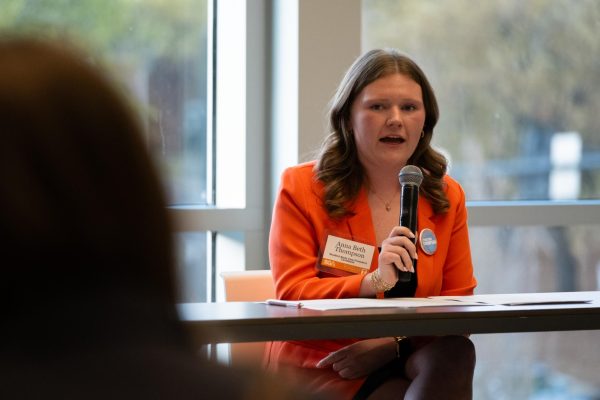
Thompson, whose campaign emphasizes “connection, transparency and internal effectiveness,” believes that increasing student engagement through social media is an important area of improvement. For Thompson, intentional connection takes place when SGA works to “meet students where they are,” and, as of lately, students seem to be online.
In the golden age of social media, Thompson hopes to utilize technology to bridge the gap between student government and the student body.
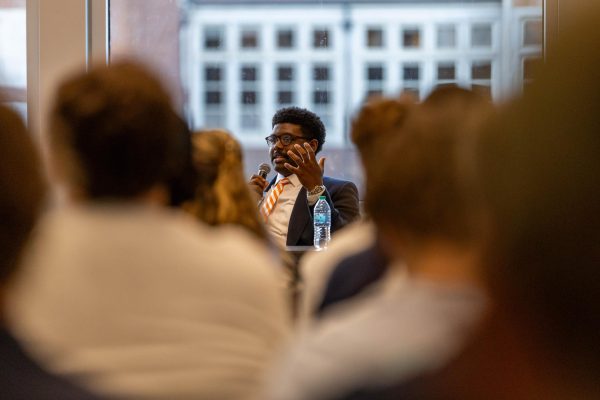
Current Interfraternity Council President Parrish holds a similar sentiment. Parrish hopes to improve continuous outreach and student engagement with the student body primarily through “going out and reaching people.” Parrish is in the mindset of making sure that student engagement extends far beyond campaign week.
If elected to serve as student body vice president, he plans to work with various student organizations and “truly seek them out and pull up a seat at the table for them.”
Speaker of the senate: Cade Simmons
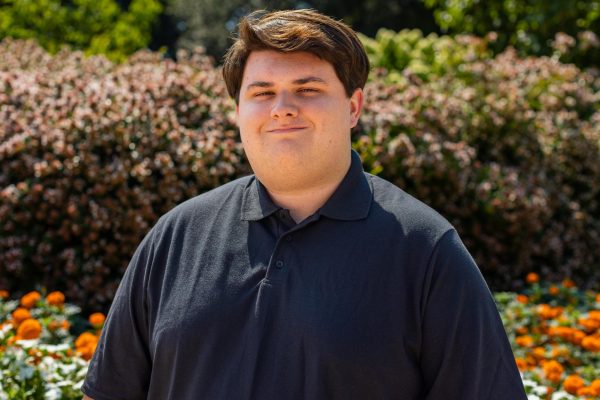
Cade Simmons, a second-year public affairs and agricultural business major, runs unopposed as this election season’s candidate for speaker of the senate. Simmons, who has served the student body in the capacity of first-year council chair, in government relations and, most recently, as head lobbyist, is no stranger to the challenges that student government faces.
According to Simmons, “ … constituency connectivity, SGA accessibility … and large structural barriers,” are a few of the noteworthy roadblocks. In the face of challenge, however, Simmons finds himself dedicated to “ … work for (students) and work hard every single day.”
During his time in the position, Simmons aims to be a “receptive speaker” that effectively leads a community of undergraduate senators who have well-built relationships with their constituents, enabling them to introduce impactful and relevant legislation to UT’s campus.