Technology has always been on a pathway of progression and advancements. While the University of Tennessee encourages students and faculty alike to explore and embrace the new innovations technology has to offer, there are several risks that come along with the new development of AI systems.
The AI research non-profit company OpenAI has caused global discussion over new technological advancements. Already running the fifth most powerful supercomputer, this San Francisco based company continues to pave the way in artificial intelligence development. Now, the AI has begun paving its way onto UT soil.
Last year, OpenAI amazed many with their new updated system DALL-E 2, released on April 6, 2022. Originally introduced in January 2021 as DALL-E, the non-profit came back a year later with this newest version.
The AI system’s basic design is to create realistic images and art from a simple description it is given. Now, it can generate more realistic and accurate images with four times greater resolution. The newest system can also expand images beyond their original canvas and even add or remove elements from an existing image.
This was not all OpenAI had to offer in 2022, however. On Nov. 30, they released another new system that has caused a stir of conversation. Chat Generative Pre-trained Transformer, or ChatGPT, is a language model programmed to understand context, relevancy and how to generate human-like responses to questions.
However, as the university embraces these advancements in technology, there is a rise of concern in how students and faculty alike approach and use these systems properly. In response to these new AI achievements, the Office of the Provost, located in the Andy Holt Tower, has decided to create a task force to address the emergence of AI tools in higher education.
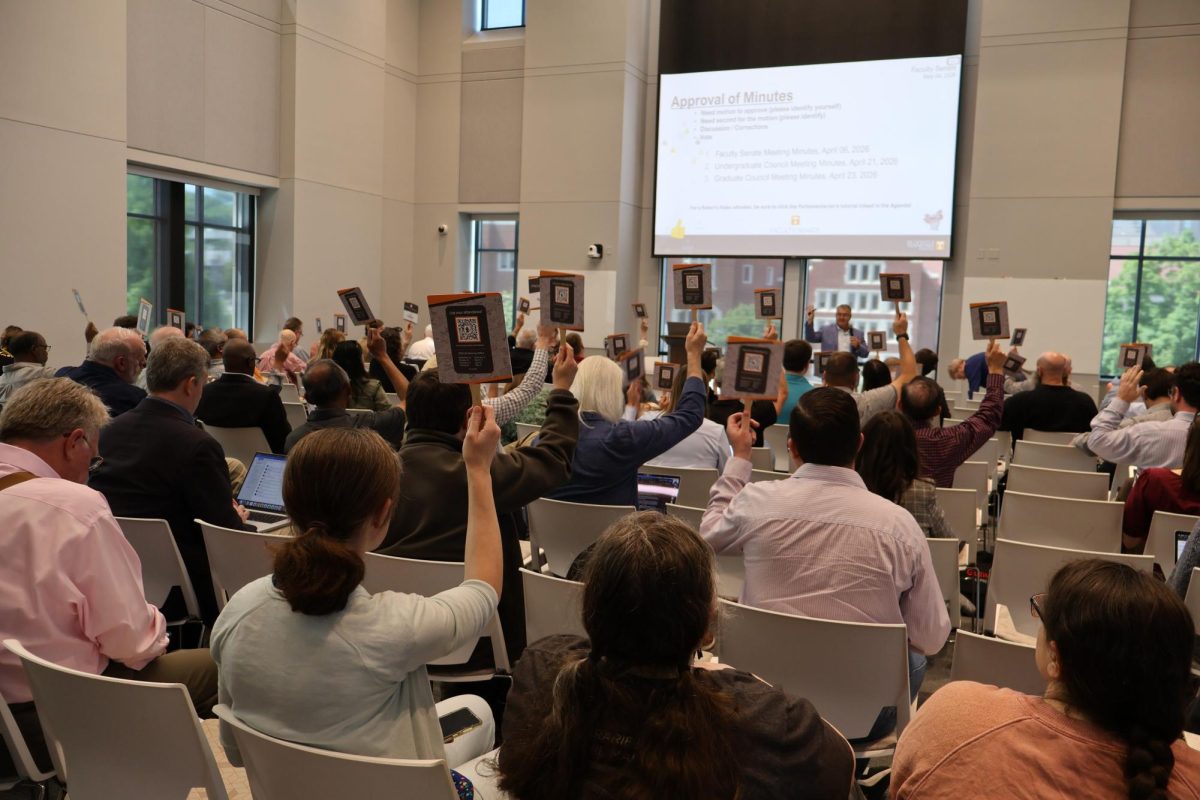
Interim Vice Provost for Academic Affairs Ozlem Kilic, along with other faculty and staff, held the first meeting over Zoom on Thursday, Feb. 9. 110 faculty members attended the first Zoom listening session in order to learn and discuss the power and perils of emerging AI in education. This meeting was the first of many that are planned for the semester.
With these two systems being introduced last year, there are a lot of hopes for the future of this technology.
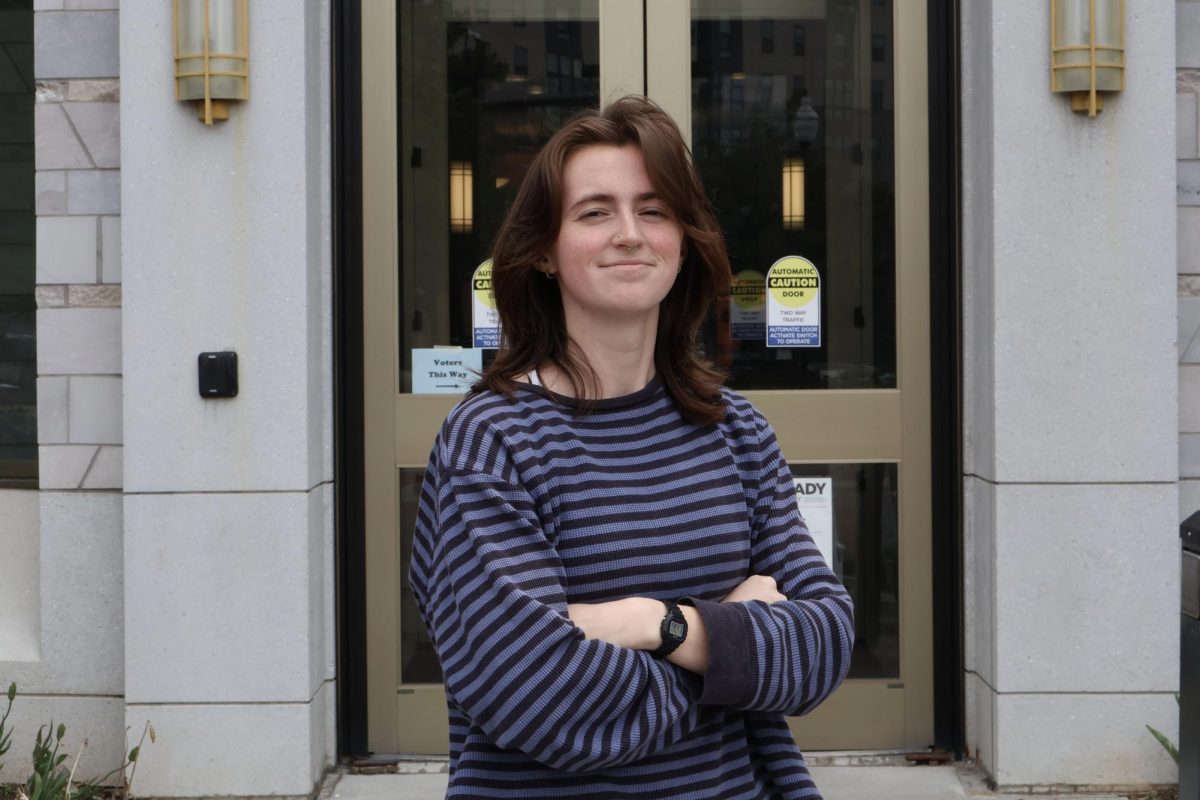
Senior business analytics major Mun Choong shared his thoughts about the use of ChatGPT on campus.
“In my personal opinion, I think it’s pretty much the next phase of our society’s technological standpoint,” Choong said. “I know my boss uses it to write reports and to also ask questions about code. I think it’s a good starting point for people to get some inspiration on projects and assignments.”
However, there are also concerning aspects to the system and parts to the makeup of these models that are not ideal for educators.
Plagiarism is a potential cause of concern with tools such as ChatGPT, but in addition to this, the AI system is not all that smart, meaning that it can still present answers that may no longer be factual or incorrect altogether.
The faculty-only meeting captured the overall campus sentiment on the emergence of AI tools like ChatGPT. While discussing OpenAI’s newest tech, the task force addressed these concerns in regards to classrooms and research labs, as well as post-graduates entering the workplace.
“I wanted to make sure that minimum standards are met together, so that we are approaching the topic not from fear, but from a good understanding and acceptance that technology such as ChatGPT is going to come faster and faster to us,” Kilic said.
From the meeting Kilic, along with others from the provost’s office, was able to establish the ChatGPT Task Force Steering Committee.
The committee will be a collaborative effort of both faculty and students, with later requests for faculty administration volunteers to join the task force.
Kilic is now searching for undergraduate and graduate students alike to join the policy committee division of the task force.
“I would like student feedback, because … when you guys graduate this will be a tool available to you in your career. And I want to make sure you guys are educated enough, including its advantages and pitfalls,” Kilic said.
From the session, the task force identified five categories that posed the most potential impact of AI tools like ChatGPT, including philosophy, pedagogy, technology, research and policy.
The emerging task force created a framework that would help them achieve their main objective, which is to help UT’s campus community to better understand ChatGPT and make well-informed critical choices with its usage.
Their approach in implementation is outlined in their summary of session one: Inform, Engage, Educate and Evaluate. From this framework the ChatGPT Task Force Steering Committee hopes to achieve their objective and support the campus community through the development of other similar technologies that may influence learning, teaching and research.