Winter break saw several legal updates in Tamar Shirinian’s case against University of Tennessee administrators.
Shirinian, ousted assistant professor of anthropology, faces termination proceedings after commenting online about Charlie Kirk’s assassination in September, saying “the world is better off without him in it.”
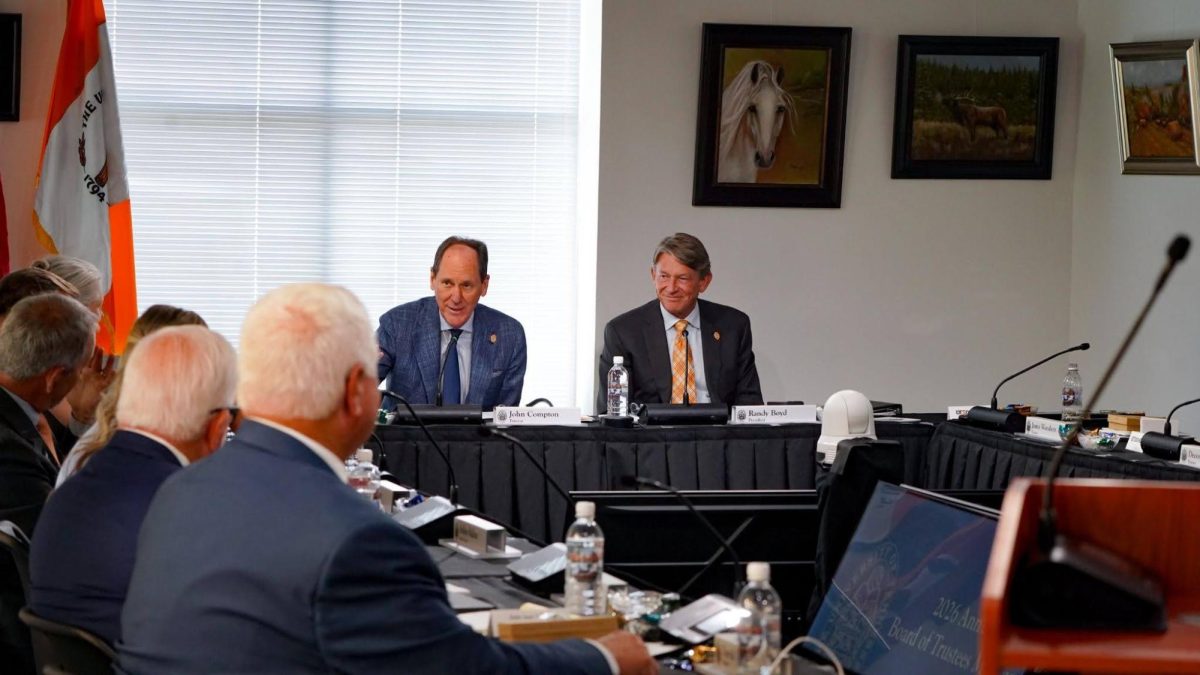
Shirinian has since filed a complaint against Chancellor Donde Plowman, President Randy Boyd and Faculty Senate President Charles Noble in both their personal and official capacities.
After a pretrial conference in early December, Judge Katherine A. Crytzer set Shirinian’s trial date for Jan. 19, 2027.
Crytzer also denied Shirinian’s motion for a temporary restraining order, blocking her from returning to the classroom as the case progresses.
“Because Plaintiff has not shown that Defendants likely violated her First Amendment rights when she was placed on administrative leave, the Court denies her Motion,” Crytzer said in the memorandum denying the temporary restraining order.
In the memorandum, Crytzer cited her use of the Pickering Test — a balancing test used by courts to weigh an employee’s free speech rights with an employer’s interest in workplace efficiency.
“Balancing these factors, Plaintiff has not shown that they weigh in her favor at this early stage in the litigation,” Crytzer said. “Therefore, she has not shown that her speech was likely constitutionally protected and that she is likely to succeeded on the merits of her retaliation claim.”
Shirinian’s attorney filed a motion to reconsider the temporary restraining order, prompting a response from the university asking Crytzer not to reconsider.
On Jan. 13, Shirinian sent a public letter to the UT Board of Trustees asking to be reinstated to her teaching position.
“I am writing publicly because the University of Tennessee has already acted publicly – and wrongly,” Shirinian said. “University leadership publicly condemned me for speech made as a private citizen on my personal social media account, addressing matters of public concern.”
Shirinian claims the trustees’ roles as independent upholders of the Constitution should motivate them to reconsider her termination.
“That decision was not merely misguided,” Shirinian said. “It was unconstitutional ‒ and it carries serious institutional consequences, not only for the University of Tennessee, but for public universities nationwide.”
Shirinian asked the board to respond by Jan. 16, four days before classes at UT commence.
“The Board now faces a defining choice,” Shirinain said. “It may correct this violation, apologize, and reaffirm the University’s constitutional obligations ‒ or it may allow the condemnation of protected speech to stand as official policy.”