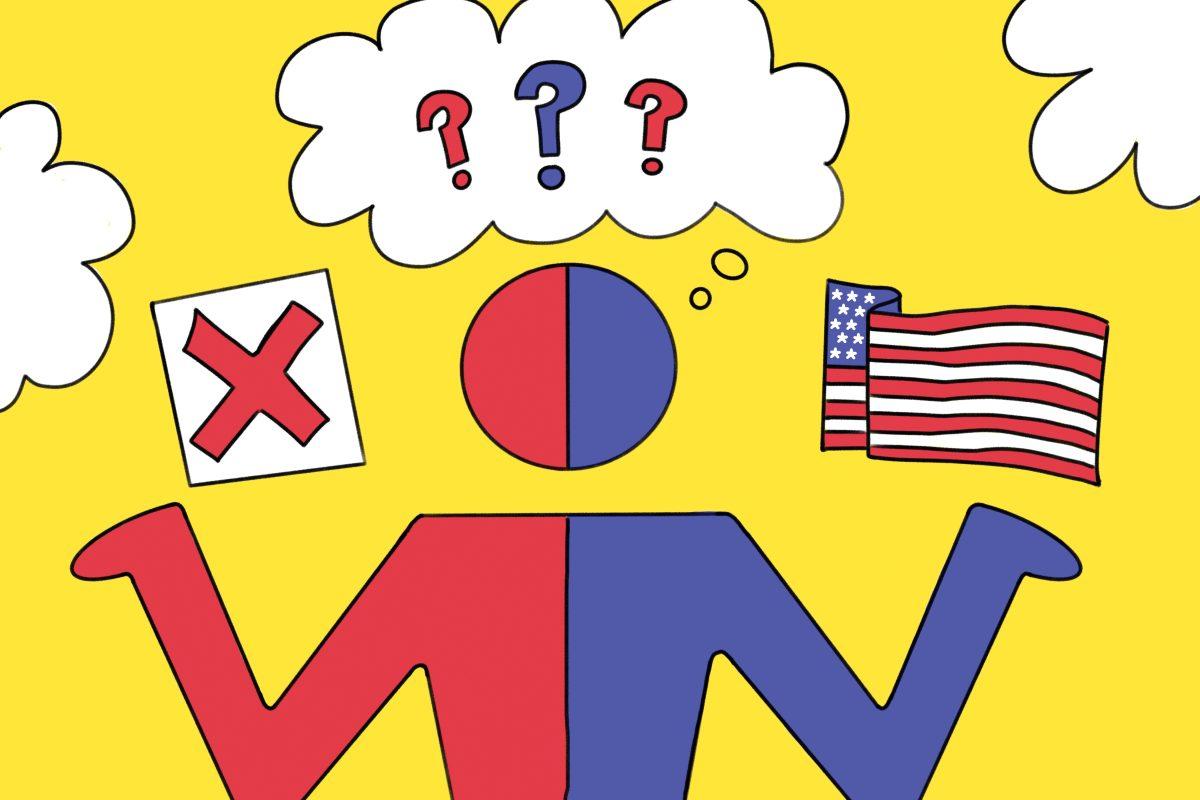
One-third of voting-eligible Americans did not vote in the 2020 presidential election. Many people vote “intermittently,” according to Pew Research Center. These intermittent individuals can be a large reason why swing states “swing” one way or the other come election season.
For many, the choice to vote or not vote stays consistently the same.
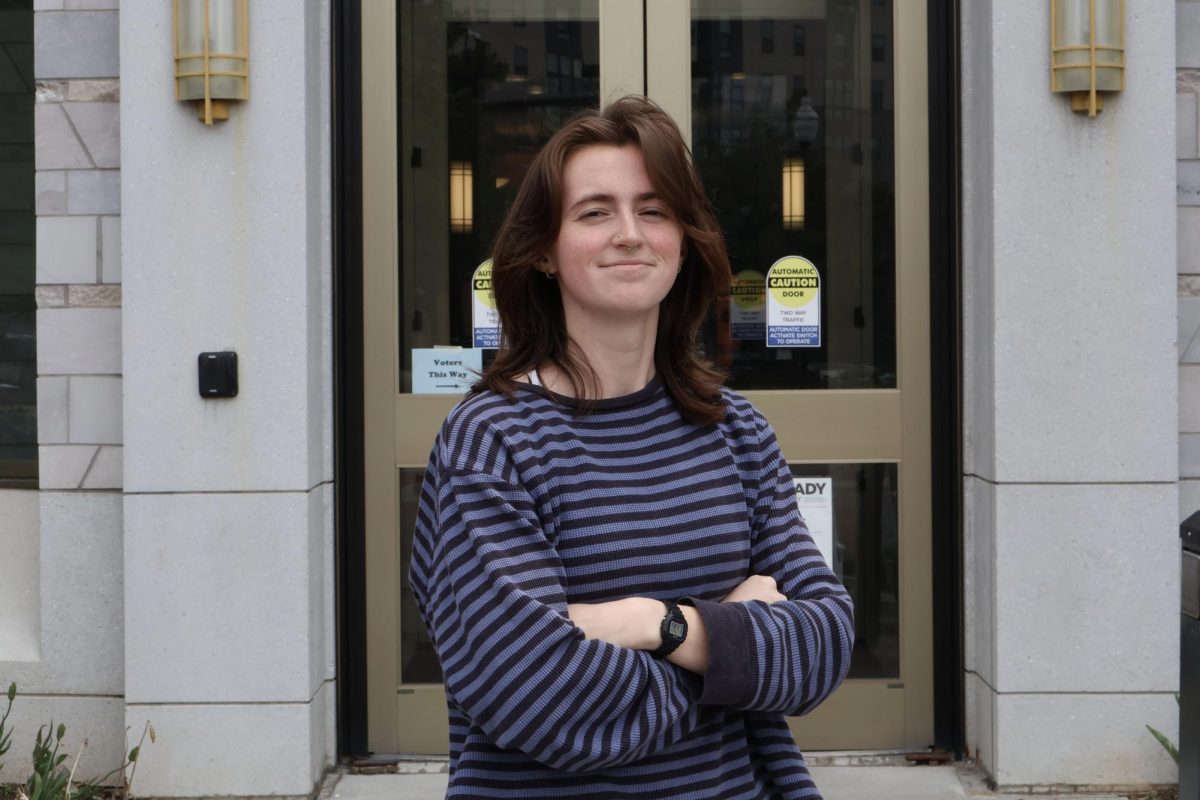
“I think it’s important to vote because who the president is directly impacts your everyday life. It’s a big decision.” Em Rippie, a sophomore studying journalism and media, said. “My family has always voted, and I think that’s one of the things that’s pushed me so hard. … We have very opposing views (so) it’s more motivation for me to vote. People are pushing for these policies that are very real and very scary.”
But the facts remain — a sizable portion of eligible voters simply “opt out” of this Constitutional right. Why?
Jake Sheffey is 19 years old and recently eligible to vote. The Englewood, Tennessee native who is majoring in mechanical engineering will not be voting in the 2024 presidential election.
“I don’t see much the point in it, since the state is so red,” Sheffey said. “It’s gonna vote red, regardless of whether I vote or not.”
Tennessee is indeed a “deep red state,” according to 270ToWin. Prior to World War II, though, Tennessee was a Democratic state — it has only voted Republican 51.6% of the time since 1900.
Something changed around the 1950s, leading Tennessee into the red. An exception would be Democratic presidential candidate Bill Clinton in 1992 and 1996 — and one would surmise the cause to be his vice president Al Gore, who had previously represented Tennessee in the U.S.House of Representatives. Loyalty to Gore only went so far, though — he lost the state as the head of the Democratic ticket in 2000.
Conveniency can be a factor in the decision to vote.
“I don’t really find it convenient to go voting,” Sheffey said. “(So I’m) just not going to because I don’t feel like it matters. At least in Tennessee (because) it’s not a swing state.”
“If you can’t get a ride, forget about voting,” Gabrielle Gurley wrote for The American Prospect in 2018. She cited the 2016 Survey of the Performance of American Elections, which reported that around 19% of registered young voters with college experience said that a lack of transportation kept them from voting.
Childhood experiences can also influence a person to vote or not vote.
Braylan Harris is a 23-year-old Tennessee native, saying he does not plan to vote in this year’s upcoming election.
“I don’t vote because growing up I never heard anything positive about voting. I always heard, ‘Your vote don’t count,’ or conspiracy theories about voting,” Harris said.
Understanding the ballot issues and the political atmosphere of the times is just as important. For Harris, the additional feeling of uncertainty as to where he stands politically will be keeping him from the polls this year.
“I am open to the decision to vote, (and) I feel like everyone should have the right to vote, but you should understand what you’re voting for,” Harris said. “And because I don’t have that understanding, I just don’t vote.”
Regardless of where you stand on this issue, it’s important to know the voting resources available to you in the upcoming month.
Early voting ends Oct. 31. The Howard H. Baker Jr. Center is one location where you can participate in early voting. Click here for the full list of early voting locations.
Out-of-state students can use mail-in ballots if they will not be traveling home to vote. In-state students can vote at their assigned districts. This article contains a student-oriented list of districts directly around campus.