Five years have passed since the disastrous 2016 wildfires of Gatlinburg and The Great Smoky Mountains National Park that injured many, destroyed countless properties and wildlife areas and took the lives of 14 people.
Following the fires, The University of Tennessee libraries created ‘Rising From The Ashes,’ a project documenting the widespread impacts of the fires through interviews with environmental and recovery experts, medical personnel and first responders, individuals directly affected by the fire, local business owners and many more.
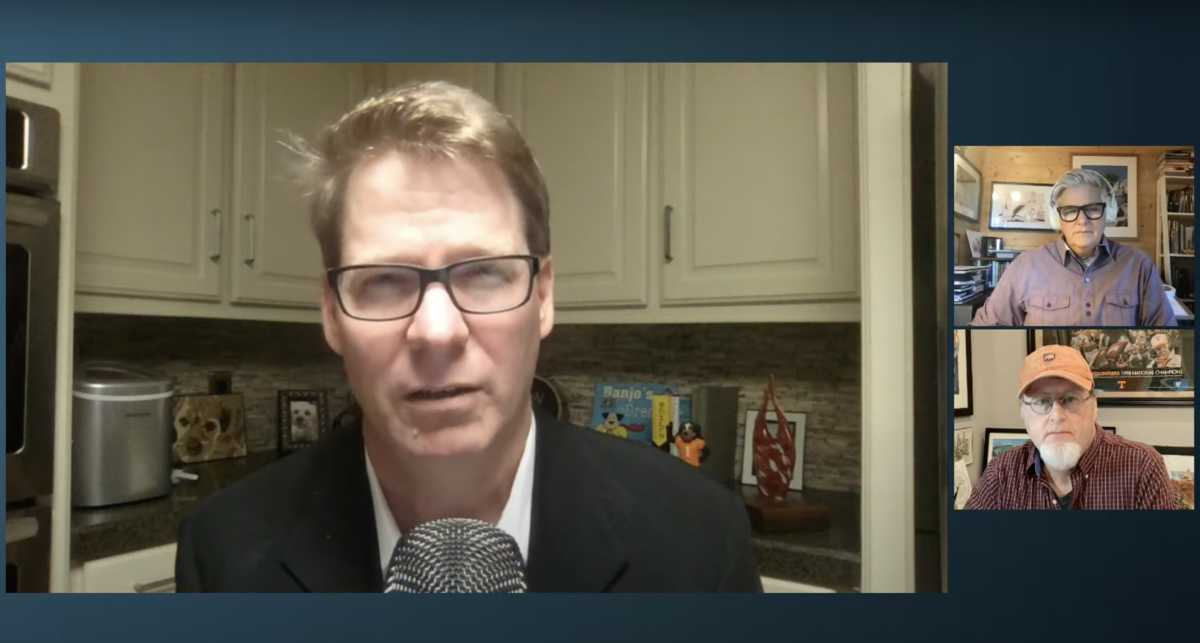
On Feb. 10, UT Libraries held a virtual panel featuring artists Marshall Ramsey, Paige Braddock and Danny Wilson, who were inspired by ‘Rising From The Ashes’ and chose to further document the fires through their work.
In an opening to the discussion, Steve Smith, Dean of UT Libraries, explained the importance of documenting the events that occurred, as well as the heroism of those who served to help the community.
“To anyone in our audience who lost property, who was injured, or who experienced the loss of a loved one, we express our sorrows and condolences for your loss,” Smith said. “Recording the experiences of those who lived through the tragic events of that day and commemorating the heroism and compassion was the objective of ‘Rising From The Ashes.’”
“Drawing inspiration from the interviews recorded by this project ‘Rising From The Ashes’, our guests this evening…have used their skills as graphic artists to further document the experiences of those who were impacted by these events.”
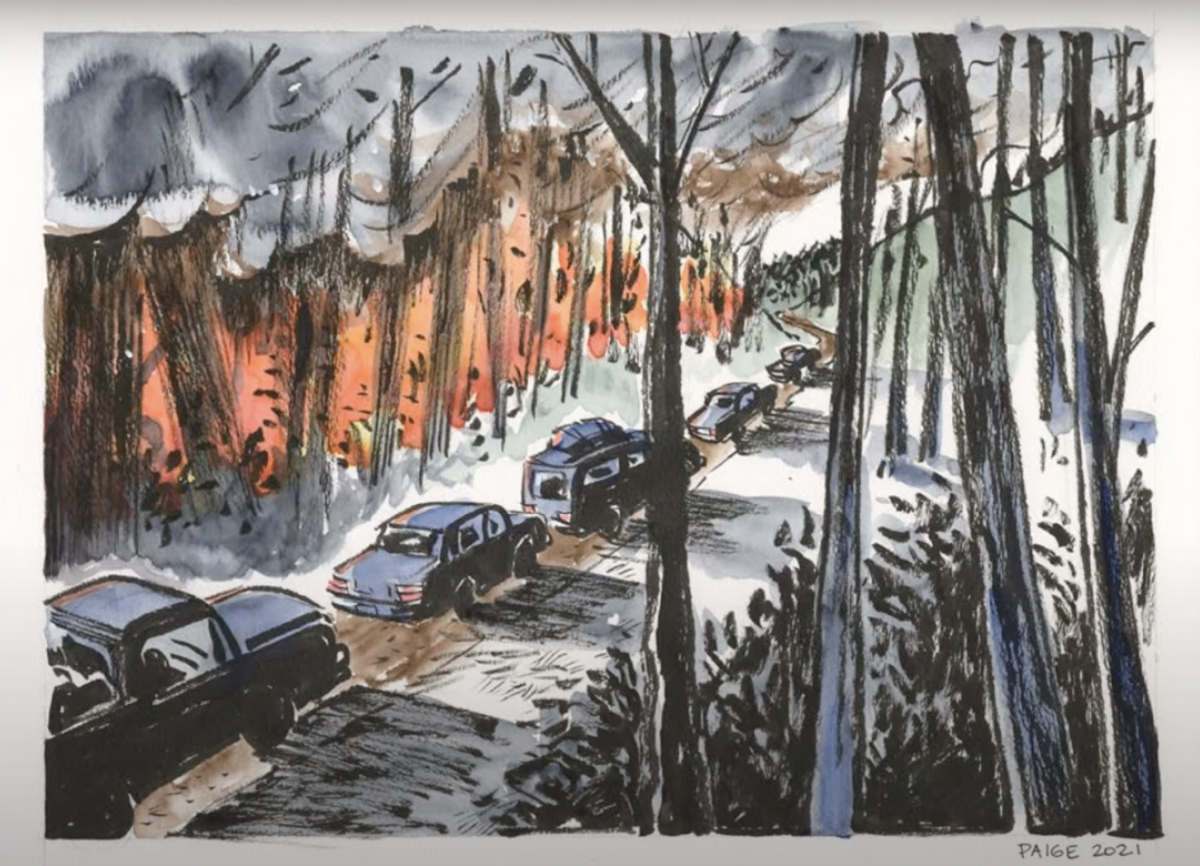
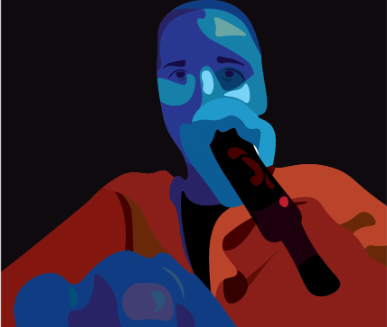
An illustration created by UT alumna and artist Paige Braddock in response to an image from the 2016 Smoky Mountain wildfires.
Featuring the works of Marshall Ramsey, Paige Braddock and Danny Wilson as well as texts from Stephen Lyn Bales, ‘Rising From The Ashes: The Chimney Tops 2 Wildfires in Memory and Art’ is a forthcoming UT Press catalog highlighting the strength and sorrow of the Gatlinburg community.
Wilson, a UT alum and East Tennessee native, explained his fond memories of Gatlinburg.
“As a kid going to Gatlinburg I remember looking into the windows of the candy stores. I loved ‘Ripley’s Believe It or Not!’ but the thing I really remember is I would look in the art galleries and watch the airbrush t-shirt artists, which fascinated me. I have a lot of good memories of Gatlinburg as a kid and as a parent also,” Wilson said.
East Tennessee natives of many generations have similar memories of Gatlinburg and the wonders that it has to offer, so it came as a great shock and devastation that many of these places were destroyed.
Wilson explained the shock that he experienced when he realized the severity of the incident.
“I remember just kind of keeping up with it on the side, and then all of a sudden being shocked at what actually happened and hearing the amount of damage that had been done,” Wilson said.
The widespread impact of the fires was completely unexpected by members of the community, which contributed to the overall emotional impact and damage that it caused. Extremely uncommon for the Tennessee area, the massive fire started as a simple one caused by matches, and erupted greatly due to dry conditions and extreme winds.
Ramsey, a UT and Daily Beacon alum, recalled his thought process on the day of the wildfires.
“My sister and my aunt had been up there right before and they were just telling me how incredibly dry it was and they were predicting high winds, but I never expected the fire to spread quite like it did,” Ramsey said. “Usually Eastern fires aren’t that bad. I just remember sitting up all night on social media watching this go on. I watched Russell Biven’s report, in fact, I even did a drawing based on him. Just how passionate everybody was on that night. It was just terrifying, I thought Gatlinburg was gone.”
People across the United States were emotionally affected by new stories about the Great Smoky Mountain wildfires. Despite the devastation that the fires caused throughout the community, there was a strong sense of hope for recovery.
Thousands of people from the state of Tennessee came together to aid in rebuilding Gatlinburg, creating the “Mountain Strong” initiative.
Wilson spoke on one of his works inspired by the initiative, “Kindness of Strangers.“
“Churches brought food, water and clothing for people they didn’t know. They hugged them and prayed with them. That seemed to be a thread through so many of the interviews, so I did this illustration to show one of those moments of people reaching out to loved ones and strangers just to help comfort them,” Wilson said.
This sense of community and caring for one another is what drove the artists to begin documenting the fires through their works, which come together in their own individual ways to tell the full story of what happened on that day.
Braddock discussed one of the images of the fires that she drew, and how she was inspired.
“There was a long line of cars leading down a back road. This is something that happens a lot where I live in California. We have a lot of people who come here who aren’t familiar with the area. I think the same thing happened in the Gatlinburg fire,” Braddock said. “This story was about one of the local young guys leading a whole line of tourists out of a back road in his pickup truck and it saved all of these people by getting them out of a road that they would’ve never known to go down because the main road was blocked.”
While the Gatlinburg community still faces continual impacts as a result of the wildfires, they maintain hope. Documentations such as the works of Braddock, Ramsey and Wilson, as well as that of UT Libraries’ ‘Rising From The Ashes’ interviews help to shed light on the strength of Tennessee and the members of its community.
To see the original ‘Rising From The Ashes’ interviews or information, visit the UT Libraries website.