How do you begin to grieve someone you initially thought you “hated”?
When my dad passed away last December, like many others who have endured the journey of grief, I found myself asking how I should deal with it and what emotions I was supposed to feel.
I never thought of someone close to me passing away, and you don’t truly hear about the slow and quiet moments behind someone passing away before your eyes.
Although I was very aware that my dad did not have much time with us, it was a surreal experience to know he wasn’t going to be here anymore. People around you don’t really prepare you for what you will experience, and it isn’t emphasized how many times you will hear “sorry for your loss,” even from people you have never met.
As the days passed, my dad’s funeral arrived before I could even process what had happened. I remember the funeral very vividly, but it was a fever dream in which I didn’t know how to “properly” behave and feel. I remember discussing with my mom and sister how the funeral was not a true goodbye but instead a way for everyone else to find closure. Weeks before, we had already said our goodbyes in a cold, empty hospital room.
As I dealt with my grief, I didn’t always think I was feeling the right emotions, and I often felt disconnected from my family because my relationship was so conflicted. What I initially thought was hatred was truly resentment toward my dad’s actions and behavior, which created a nuanced relationship where I felt I deserved more from him as a dad.
I know many people say grief is not linear and there is no right way to grieve, but there is a socially “acceptable” way of doing it. People are used to hearing about the sadness that grief can enthrall you in, but emotions like anger, resentment and everything in between are taboo.
Those unanswered questions that keep you up at night aren’t what people think of when they hear grief. It isn’t a one-dimensional feeling but instead explores all parts of your relationship and emotions toward a person.
Now, my relationship with my dad can no longer be amended, no matter how much I ponder on what I could have done differently. Growing up, I always felt more inclined toward my mom and spent most of my time by her side, mostly because my dad spent his days at work or away from family.
Although we lived under the same roof for over 18 years, I never really got to know who he was as a person and vice versa. My senior year of high school was spent ignoring the hole of what you could barely call a father-daughter relationship by prioritizing my own mental and emotional peace. Even though at the time I felt that I was doing what was best for me, I will never be able to know if a few simple conversations could have mended our relationship.
My dad was a flawed man, and at times, I didn’t understand his actions and words. As I grew into friendships and relationships, I started to reflect on how I could give such mercy toward others who have hurt me, but it was so difficult to take the next steps to heal our relationship.
I now mourn the many missing pieces of what having a dad growing up would have been like. Although he lived with me, I never really felt his warmth and embrace as a parent. I appreciated all his hard work as an immigrant chasing the American dream, but I often overlooked it when it came to who he was as a husband and dad.
Now that he is gone, I am left with flowers on a grave and someone who will never speak to me. As much as I was conflicted in the past with what role my dad played in my life and how to handle it, I can no longer continue to develop that relationship.
It’s been a year into grief, and I don’t claim to know how to navigate my emotions, but I try not to ponder the “could have done” or “could have said.” I am still grieving the loss of a relationship. Although my experience is not typical when losing a loved one, I always aim to listen to my mind and emotions.
As flawed as people can be, I try to be more open as a person, to not only see one side of someone, but also view them for every part of their lives. It is easy to pinpoint a single choice someone makes as who they are, but truly seeing someone for all they are capable of is what strengthens relationships. As simple as it sounds, every day that passes allows me to become more in touch with my empathy and understanding that begins with listening and talking.
Sometimes it’s not someone you have had the best relationship with. But it makes me appreciate my relationships more and start to understand people’s experiences and motives in life.
I’ll never get to know my dad as a person, and I’ll never know how his mind truly worked, but navigating this new and unfamiliar outlook on how I communicate with the people around me makes the process of grief feel a bit lighter.
Don’t leave things unsaid.
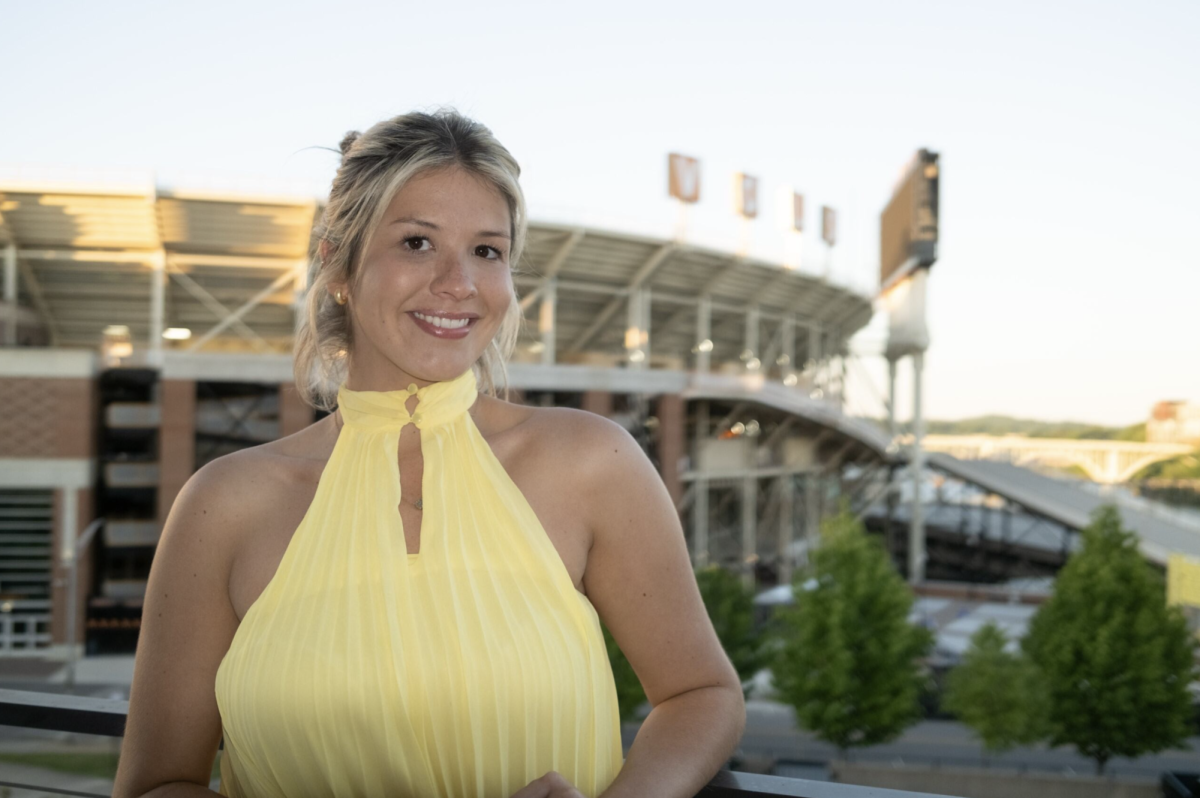
Maria Madrid is a sophomore at the University of Tennessee studying journalism. She can be reached at [email protected].
Columns and letters of The Daily Beacon are the views of the individual and do not necessarily reflect the views of the Beacon or the Beacon’s editorial staff.