
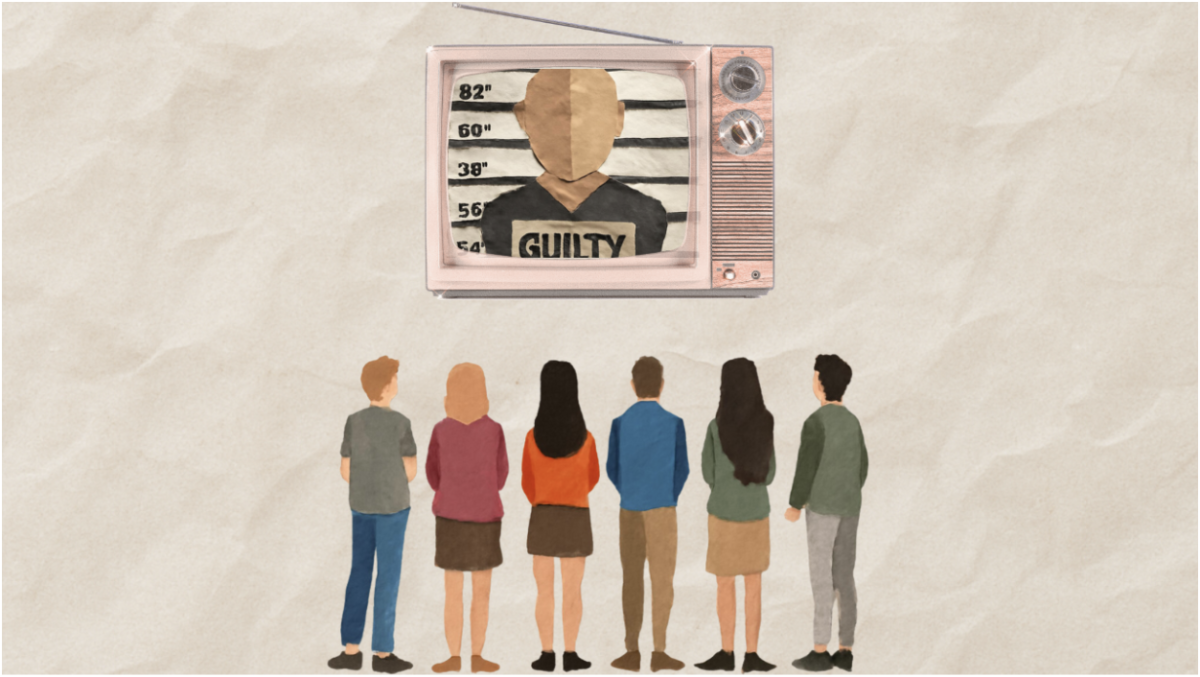
True crime series, cult shows and cold cases — all streaming platforms have a space for these thrilling tragedies, built for binge-watching and providing a couple of hours of nail-biting entertainment. We watch, and we worry, but deep down, we think, “This would never happen to me.” The events pictured in documentaries and crime series can seem so far-fetched — an impossible reality. Newsflash, it’s not. Real people and their families endure these crimes, yet we see them as a drama to watch unfold on our screens. Is this ethical?
I lean towards no. The true crime industry exploits victims and loved ones for the sake of gaining profit and fame for the wrong people. While I do believe it can be done right, I think the majority of these series romanticize the criminal in an attempt to create a better storyline and more dramatic scenes.
Even if we don’t particularly like or support the culprit, we are still tuning in. We are giving their terrible actions the time of day and even broadcasting them to the world. Psychologists argue that this is a motive for people to commit such grim crimes, intending to gain attention or even stardom from it.
The concept of copycat killers relies on mass media coverage. The theory is that, when a brutal crime occurs and the case is widely exposed, it gains significant public traction. Unfortunately, this can inspire similar acts by viewers. Which is why, when these true-crime series are released, it is important to consider all the angles. We have to look beyond how entertaining the show is or how much revenue it will bring in.
In fact, the “Zodiac Killer” became a household name years after his cold case, when people finally began to move on, and a copycat emerged. Serial killer Heriberto Seda named himself “the New York Zodiac,” mimicking the tactics of the true “Zodiac Killer.” Thankfully, the copycat killer case was solved, and the suspect was caught and convicted. Not everyone who keeps up with true crime has good intentions; some seek inspiration from these horrifying killers.
The media tends to treat murderers and serial killers as celebrities. We all remember the Menendez brothers, but for younger audiences, the case is most familiar through “Monsters,” a true-crime series based on the 1980s murder case, which gained significant media attention in 2024.
This series took a brutal set of events and spun them into a dramatic Netflix series for everyone to sit back and enjoy. People popularized the brothers, who are ultimately murderers. “Monsters” slightly fictionalizes the storyline and adds dramatic elements, which people took as fact and as motives. And when consumers brought the case back to everyone’s attention, they intended to free the brothers, who have been incarcerated for the past thirty-six years. Whether you think this is the deserved verdict or not, it shows how murder cases becoming a television series has serious repercussions.
Before we had Netflix to watch these crime-show terrors play out, we had front-page headlines like “Has the Zodiac Killer trapped himself?” in newspapers people could pick up on their way to work, allowing them to keep up with the case. We’ve always been fascinated by crime, whether we are reading a weekly update or binging an entire series from the comfort of our couch.
This semester, I am taking an English composition class with a special focus on true crime. I quickly realized that this societal obsession is anything but new. We’ve simply transformed it. Thousands of true-crime podcasts are available online, diving into cases past and present, creating immersive experiences that make listeners feel as though they are part of the investigation and working toward justice.
I have even caught myself fictionalizing true-crime. Unfortunately, we forget that the victims are not characters in a show — they are names and faces who have gone through something devastating and usually fatal. “Monster: The Jeffrey Dahmer Story,” from the same creator of “Monsters” (the Lyle and Erik Menendez story), retold the story of this infamous serial killer and his victims.
One prevalent issue behind this show is the fact that the creator failed to make Dahmer’s victims’ families aware of the show and its intentions. The grieving families went on the record saying they felt exploited and were forced to relive their trauma when the show premiered. Lack of consent is a common theme within the true-crime industry, along with many other oversights.
Ultimately, the ethical debate surrounding true-crime shows forces us to consider how they can be used in harmful ways and why we are so eager to consume them.
Isabell Norman is a freshman at UT studying journalism. She can be reached at [email protected].
Columns and letters of The Daily Beacon are the views of the individual and do not necessarily reflect the views of the Beacon or the Beacon’s editorial staff.




Sandra Adair • Feb 6, 2026 at 10:39 pm
Very well written.