While many have not heard the term “climate apartheid,” it is a very real social condition impacting a growing number of people around the globe. Climate apartheid is defined by Climate Culture, an activist organization, as a form of inequality prevalent in our social systems exacerbated by the climate crisis.
Essentially, this means that those who are the least resilient in society will be hit the hardest by climate change, while the wealthy will be able to buy climate change security.
Desmond Tutu coined the term climate apartheid in the 2007 U.N. Human Development Report. Tutu, an Archbishop in South Africa who was an avid anti-apartheid activist, noticed that developed countries would be much less likely to suffer from the effects of climate change, even though they were primarily responsible for it. Today, we already see examples of climate apartheid globally across countries and cities.
For example, in Iraq, wealthy citizens can afford water and shelter from the extreme heat, whereas the normal citizen is suffering, unable to have reliable water sources. In the coastal city of Lagos, Nigeria, rising sea levels pose a threat to the majority of the urban population. CNN even claimed that the city would become uninhabitable by the end of this century.
The Nigerian government is building a massive concrete wall to combat the rising sea levels and protect its citizens. However, the wall will sit on Victoria Island, one of the wealthiest neighborhoods in Lagos. In addition, the wall will only protect 2.7 million people — a fraction of the city’s population of approximately 15 million. As the population grows, only the wealthy will be able to afford the safety of the walled community.
How does this affect students here at UT? For starters, problems in coastal areas will affect the entire population through trade, transportation and food growth insecurity. Secondly, these issues will not remain abstract in America for long. United States coastal areas will start to feel climate change’s impacts, such as increases in severe weather, flooding, rising insurance costs and many others.
Specifically looking closer to the University of Tennessee, Appalachia is at risk of becoming a center for climate apartheid.
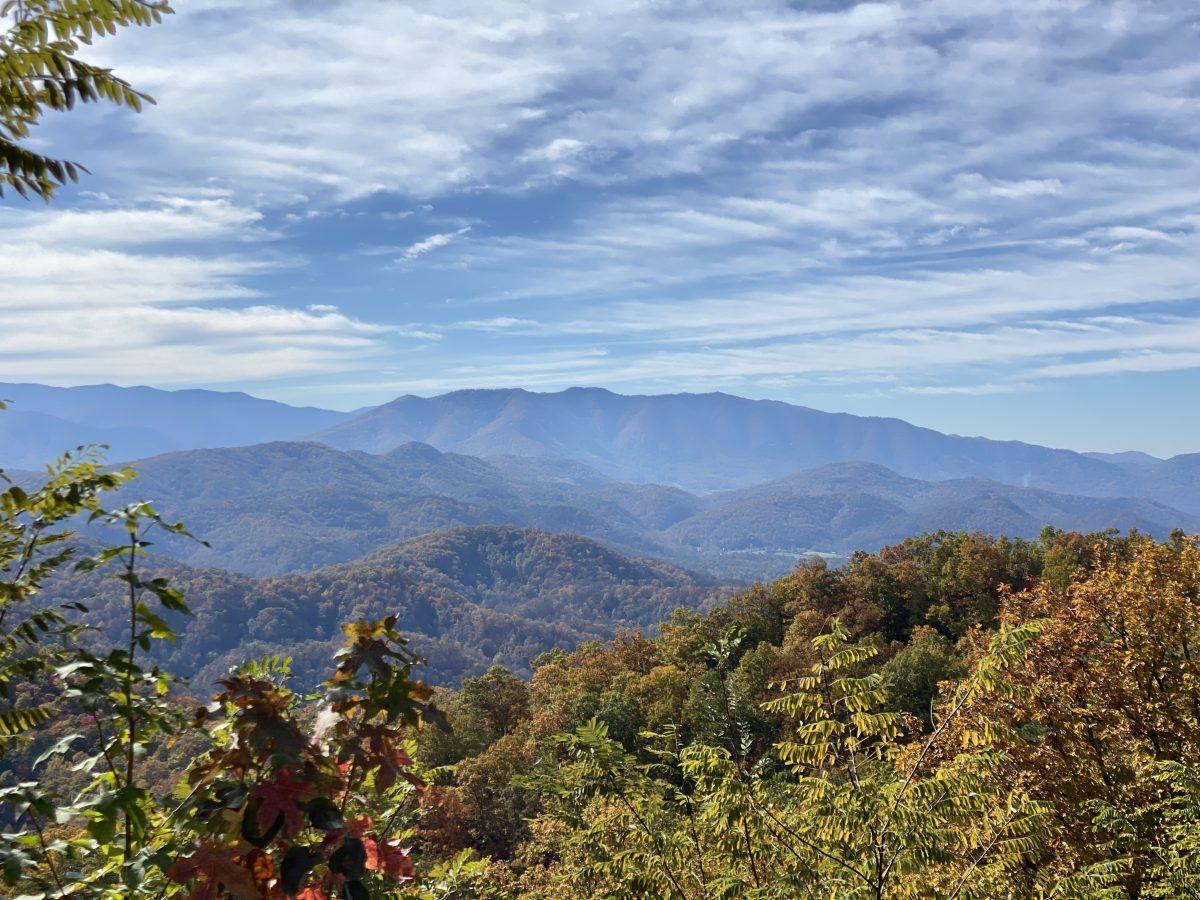
Appalachia is the geographical region around the Appalachian Mountains. It spans many states, including Tennessee, and encompasses the city of Knoxville. Most notably, Appalachia is known for its ruralness and reliance on mining and agriculture industries.
The main reason for this increased risk for Appalachia is its fossil fuel-based economy. Although Appalachia’s poverty rates are similar to that of the U.S., 16.3% compared to 14.6%, when fossil fuels run out, are taxed for climate impacts or experience other changes that make it less profitable, the regional economy will suffer.
As natural gas becomes a more prominent job sector, jobs have dropped in Appalachia by around 2.1%, while during the same years, the national average increased. All this to say, Appalachia and its natives may be at higher risk of becoming poorer as their economy is required to shift.
According to Invest Appalachia, an organization dedicated to helping the Appalachian economy, Appalachia will become a haven for those displaced by rising sea levels and other climate change effects due to its high elevation and natural resources.
So, as Appalachia becomes a more desirable place to live and its natives suffer economically, the region is at risk of seeing higher house and economic prices that could displace people who currently call the area their home.
Climate apartheid is a term given to the trend of poorer people suffering more from climate change and the growing divide between the wealthy and the poor that climate change will exaggerate. Although it may seem far away now, the impacts of climate change are increasingly affecting all corners of the globe, even here in our corner of America.
Audrey Nash is a freshman at UT this year studying sustainability. She can be reached at [email protected].
Columns and letters of The Daily Beacon are the views of the individual and do not necessarily reflect the views of the Beacon or the Beacon’s editorial staff.