In the autumn of 1966, Stephen King — later publishing this book under the pseudonym Richard Bachman — began a novel filled with tyrannical cynicism that would change the pace of his writing career. Thirteen years passed, and the book remained untouched until King was a few books into his prolific career. The novel remained tucked away until an inkling thrust through his mind to publish it but under a fake name.
For some miraculous reason, the broad public was so against the idea of publishing more than one book a year that they would trash that writer as a whole, making them feel less confident about anything moving forward. So Steve-O sat down one afternoon with his publisher, and they drafted an idea together: King would publish another book under a pseudonym.
It was a powerful — and almost humorous — secret for six years. When trying to come up with a name on the fly, King scanned his publisher’s office for clues or signs. He saw a paperback novel by Richard Stark — ironic since that was also a pseudonym by author Donald Westlake — and a Johann Sebastian Bach record, so Richard Bachman came to be on that date in 1979.
King even went so far as to hire and pay a man to pose for Richard Bachman’s author portrait on the back of the dust jackets. The first Bachman novel and, quite honestly, the best, in my opinion, was “The Long Walk.”
“The Long Walk” enhances the reader and illuminates the prevalence of an unjust society but makes the hysterical suspense humorous and intriguingly serious. The plot follows 16-year-old Ray Garraty, one of 100 boys who entered the walk.
The walk is a survival of the fittest walking competition, and the winner gets “whatever he wants for the rest of his life.” The prize is as vague and mystifying as the book’s edgy plotline, but the simplicity marks it as confusing and in-depth as Stephen King’s “It.”
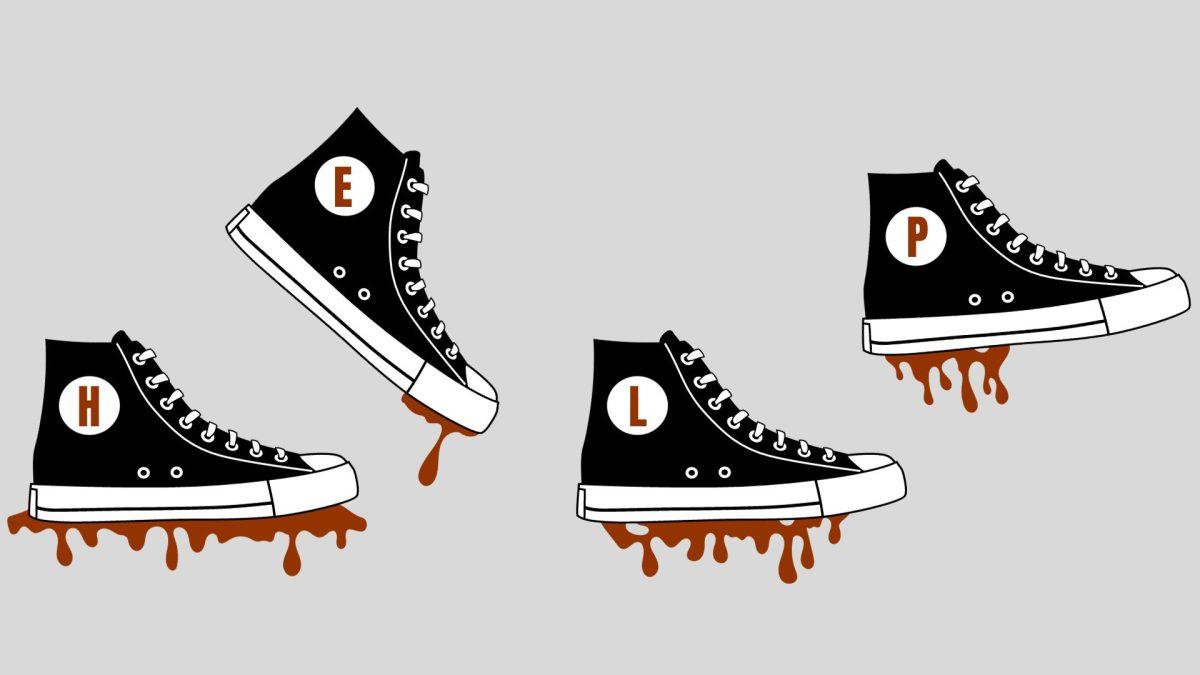
A small sadistic detail about the walking competition is missing in the novel’s beginning. If the competition leader — nicknamed “The Major” — thinks you are going too slow, you “buy your ticket,” which is another way to say you get shot on the spot.
Ray shrugs his shoulders nonchalantly at this and wonders if it will be as hard as he thinks it looks. The only in-person memory Ray has of the Long Walk was when he watched it at age 10. Now, he was in it to win it, trying his best to stay focused and not stop or hesitate for too long.
I think this book speaks for a society strictly ridden with people chasing after perfection. The competition is slim, and the prize is just as vague and — dare I say, unexciting— not intriguing enough for me. Throughout the novel, Ray befriends a small group of boys from all over the country, telling their life stories, trying not to evoke sympathy or care too much for each other if they were to be killed.
They know from their rule book that the boys are better off sticking to themselves rather than befriending soon-to-be-dead people. The walk is excruciatingly painful and entails rain, hot weather, and numbness from mile eight past mile 100. One by one, the boys fall and are shot down on the shoulders of the road.
King went on to write a few more novels under the pseudonym Richard Bachman, but none would meet the same passionate magnitude as “The Long Walk.” To be honest, if I were to read the book not knowing it was King, I would question if the author plagiarized him.
“The Long Walk” is a novel from King’s early career, but it set the standard high and mighty for the next 40 years of novels and short stories. In some ways, I think this might be the first King book to really spark something creative in me. I feel like I am a naturally creative person, but this book opened my mind to new horizons, dialogue and emotions.
When reading something dystopian, the plot emanates from reality into a new, fresh idea that creates the dystopian feel in the first place. The sheer mysterious aspect of the environment and “The Long Walk” transports me into another world. It’s an interesting approach to almost assume that we, the audience, should know why the Long Walk happens and that this is just another year of the competition.
Writing like Bachman, King takes a different approach to how he writes and what goes on between page one and page 391. Mentally, Stephen King’s writing as Bachman has a new vibe altogether. Rather than the vulgar, dense graphic violence and language, a mysterious, realistic sensation ripples through the pages. The characters venture into life with brighter anticipation, and the dialogue enhances the plot.
Since life is unplanned, King writes emotions into Ray Garraty, and he unfortunately befriends Peter “Pete” McVries during the walk. During the next few days, they become as close as friends can be when death is on the line. King lined up the plot nicely when, ultimately, the whole novel is about choices. Choices that affect life and death.
Do I give this guy food so he can keep going strong? Should I help this guy up so he doesn’t get a warning and his ticket?
It comes down to the wire right at the end when Pete is lying on the ground, not wanting to continue, and Ray is left with one of the hardest choices in his life: to save or not to save.
In the end, King emanates from the traditional closure spot and creates the mystifying end sequence that opens the book. This book — from cover to cover — makes you ask questions, answer some questions, and have an excuse to ask even more.
Every time this book is brought into discussions for an adaptation on the big screen, it is shot down. After reading the book a few times, I now realize that this book is something that should only be in word form.
This book remains on my shelf, and I like to glance at it from time to time. “The Long Walk” is a masterful work that made me look at choice-making from a unique perspective. I often think about the walk prize and what I would do with it, or if the rumor in the book was true and the winners really get nothing.
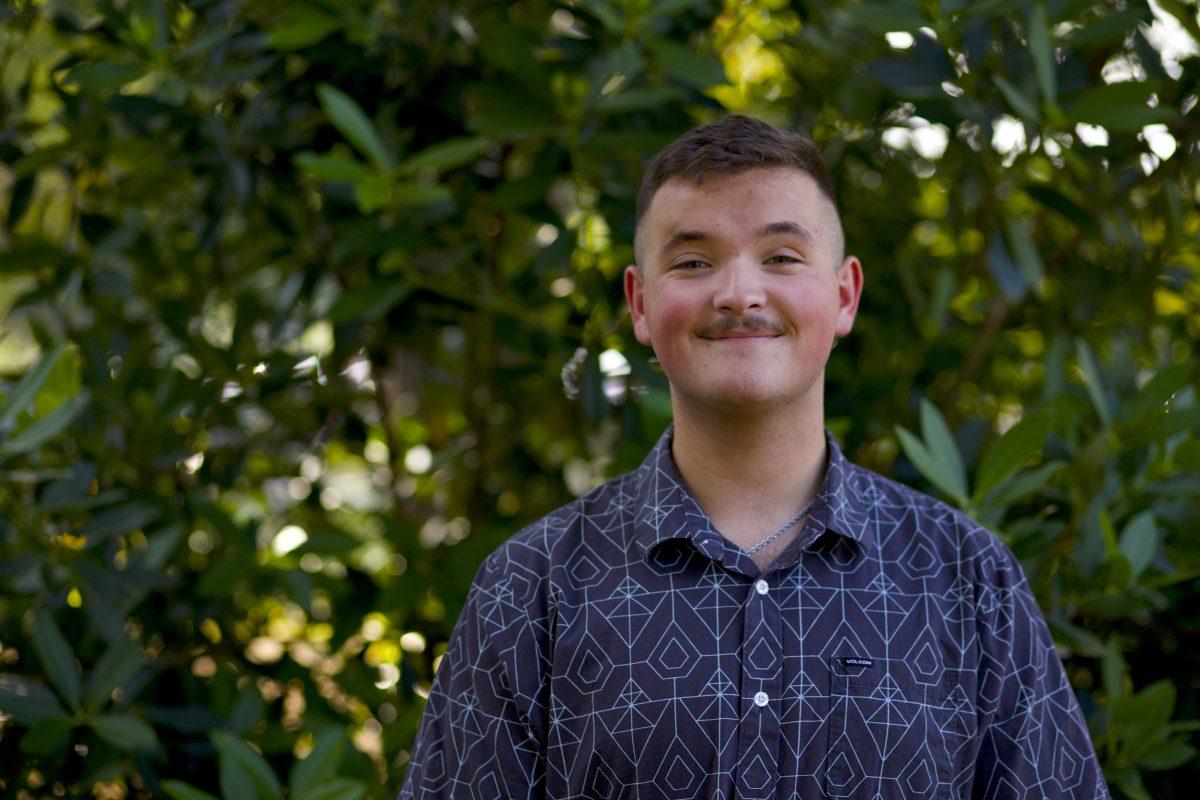
Drake Dyer is a freshman at UT this year studying Finance. He can be reached at [email protected].
Columns and letters of The Daily Beacon are the views of the individual and do not necessarily reflect the views of the Beacon or the Beacon’s editorial staff.