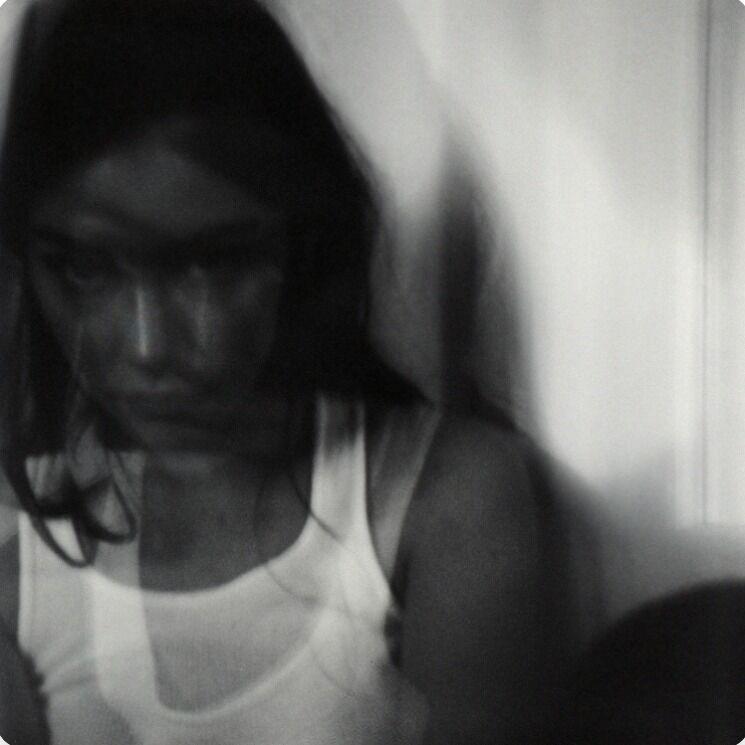
Gracie Abram’s debut studio album, “Good Riddance” was released on Feb. 24 and self-loathing, sad-girl hours have never sounded more beautiful since then.
It is by far and wide the lyrics sung by Abrams’ angelic voice that make this album so phenomenal, but the music backing it up is well worth mentioning as well. With the help of producer Aaron Dessner, founding member of The National and strong influence in Taylor Swift’s album-of-the-year winning record “folklore”, “Good Riddance” sounds like you are running through a field of flowers, but also doing it wistfully and tragically – what more can one ask for?
All 12 tracks take the listener through a deeply introspective journey with themes of self-isolation and frustration. The story and growth throughout the album is reminiscent of fantastically youthful angst and the main story of the album seems to center around processing a relationship in the wake of it. Though, there are deeply self-aware and confessional side stories, based on what failed relationships of all sorts – platonic, romantic and familial, reflect upon both parties.
That said, there is not a single skip-able song throughout the entirety of “Good Riddance,” and Abrams’ debut album is one that is only meant to be played at max volume through both earbuds and car speakers. Here are the major highlights from the record:
The album starts off with a tear-jerker in “Best.” The message within the lyrics is reminiscent of Taylor Swift’s “Getaway Car,” a singer-songwriter that Abrams has cited to have inspired her immensely. Here, Abrams sings about how when given the opportunity to “come to life,” she chose not to, describing the relationship referenced in the song to be one of her worst crimes, while dropping one of the hardest-hitting lyrics in the whole album as well as the name-sake of the project, “You fell hard, I thought good riddance,” as Abrams looks back at a person who she sees she may have treated cruelly. “Best” is a confession of sorts, after realizing the whole of self-isolation she has dug herself into, ultimately saying “I deserve it.” “Best” also introduces one of her more subtle themes of self-hatred.
Though, “I know it won’t work,” the second song on the album is one of the more upbeat-sounding tracks, do not be fooled. This song can make its way onto your “crying” playlist just as easily as the rest as Abrams writes about putting on a facade, sharing this story like a stream of thought or a brainstorm on how she can make it all work out before eventually seeing that it just can’t with a tired feeling of defeat in the end.
“I know it won’t work” is a perfect example of growth and self awareness through a sort of juvenile feeling. The messages of the second and third track are very similar, though I prefer the third, as “Full machine” dives deeper into the kind of desperate desire for somebody to care and notice her despite the fact that she doesn’t even care much for them.
In “Full machine,” after singing “Say something nice to me? / You don’t have to mean it / You can lie to me,” she follows up with “I’m codependent but trying hard not to be,” cognisant of the fact that she is not at a place in her life that she is proud of, Abrams is also grappling with not being able to control where she stands in somebody else’s life. She describes herself as a shameless caller versus, the subject of the song being, the full machine.
Abrams has a timid sort of one-sided conversation that sounds like the letter you write out but never send. The real kicker of this song is the fact that Abrams sees the immaturity in what she wants, but is resign to it despite, “I know better / You’re no guarantee / But if you asked me to run away / I’d go easily.” Abrams writes of the helpless feeling of waiting for a breakthrough that she knows is never really coming, sharing the heart-wrenching sentiment, “I’ll heal eventually, but faster if you’re next to me.”
The fourth song on the album, “Where do we go now?” is once again so groovy that you might look past the sadness of the lyrics. This song is like the other side of “I know it won’t work” and reminiscent of “Best.” Here, Abrams returns to self-loathing with a more mature outlook, and coming to terms with how we change as we grow, saying “there’s nothin’ left here/ all our best years are behind/ what a brutal way to die.”
In a lyric that just about sums up the general gist of “Good Riddance,” comically, almost, Abrams says “Got a lot to cry about.” – Yes, and now we do too.
“I should hate you,” speaks more on the betrayal one feels after you cut ties with somebody, and the complex feeling of sadness and anger building throughout the song reaches a crescendo in the song’s end, perfectly demonstrating the feeling of spiraling throughout Abrams’ lyrics.
The imagery in this track is really something to take in, along with the more honest and cruel reality of some of the darker places of a deep and helpless sadness. Abrams writes of the knife she finds in her back “right where you left it,” regretting wasted breath and “driving home to talk about you at my table in the dark.”
The complexity of her song is best summed up in her lyrics “I swear to god I’d kill you if I loved you less hard.”
“Difficult” is just a great song, as is “This is what the drugs are for.” The two much like her more popular single “21,” and here, Gracie Abrams says things that are just so real. From talking about staying up too late just to relive bad decisions, calling her therapist every weekend, reflecting on things she wished she had said and acknowledging, feeling like some unbeknownst “thing” is missing, and finally, the fact that “to name this feeling would take 100,000 years,” Abrams really just rants to a catchy tune, and I mean this in the best way possible.
Once again, it is hard not to dance to these intensely sad lyrics, but I cannot help but acknowledge the fact that this song is a bop. More so, this is a more beautiful articulation of feeling like when it rains, it pours.
“Fault line” is a cathartic and beautifully angry track. With brutal lines delivered with heart-breaking, melodic sadness, Abrams says what’s really on her mind, like “You could go and I bet I’d recover,” and her song-writing capabilities really stand out here, “You’re a bad holiday / You’re the drug that I take / When I want to forget how I’m feelin.’”
Angry as it is, there are still notes of that lingering hurt that is more than just resentment, best encapsulated in one of my favorite lyrics in the whole album, “All my imaginary friends are scared of you/ I’ve gone and cried to them in our bedroom.”
The next song, “The blue,” starts off initially happy, but turns to be one of the more subtly heart-wrenching tracks. Abrams writes how she was caught off guard, seeing a person come out of the blue and thinking that they are “everything I’ve wanted.” Where the song initially begins with optimism and hope, she later describes the experience like losing a fight. After the journey of insecurity and loneliness processed throughout the entirety of the songs above, an almost eerie sentiment remains in Abrams’ repeated questioning “What are you doin’ to me?” – the possibility that this is either a continuation of the previous struggle, or the beginning of something better. The question remains unanswered.
If you weren’t already crying, Abrams closes “Good Riddance” with perhaps the saddest song ever written, produced, distributed and listened to by the ears of the general public. Don’t listen to “Right now” unless you want your feelings hurt. The piano in the background is enough to make you want to cry, before Abrams even sings about how she is so homesick that all she wants is “my dog at the door.” When I heard this, I audibly said “oh no,” because I knew Abrams was on a path of destruction. She then sings of missing hearing “my mom on the phone through the walls of my bedroom,” and by that point the tears are in freefall.
Any college student listening to this song is going to need a period of recovery time.
The song is best summed up in her line “I’m so tired but can’t sit down.” Throughout “Right now,” Abrams seems to process the wide range of complex emotions that come with growing up and out of certain parts of life. From friendships ending with distance to missing your family and wondering both what you are doing and if what you are doing is right, the simplicity and exhaustion that Abrams describes these feelings with is just plain sad, perfectly encapsulating an indescribable feeling.
Ultimately there is a feeling of rebirth in the end of both the album and “Right now,” as Abrams encapsulates her complex relationship with the past but a stark hope in the future singing, “Left my past life on the ground / Think I’m more alive, somehow.”