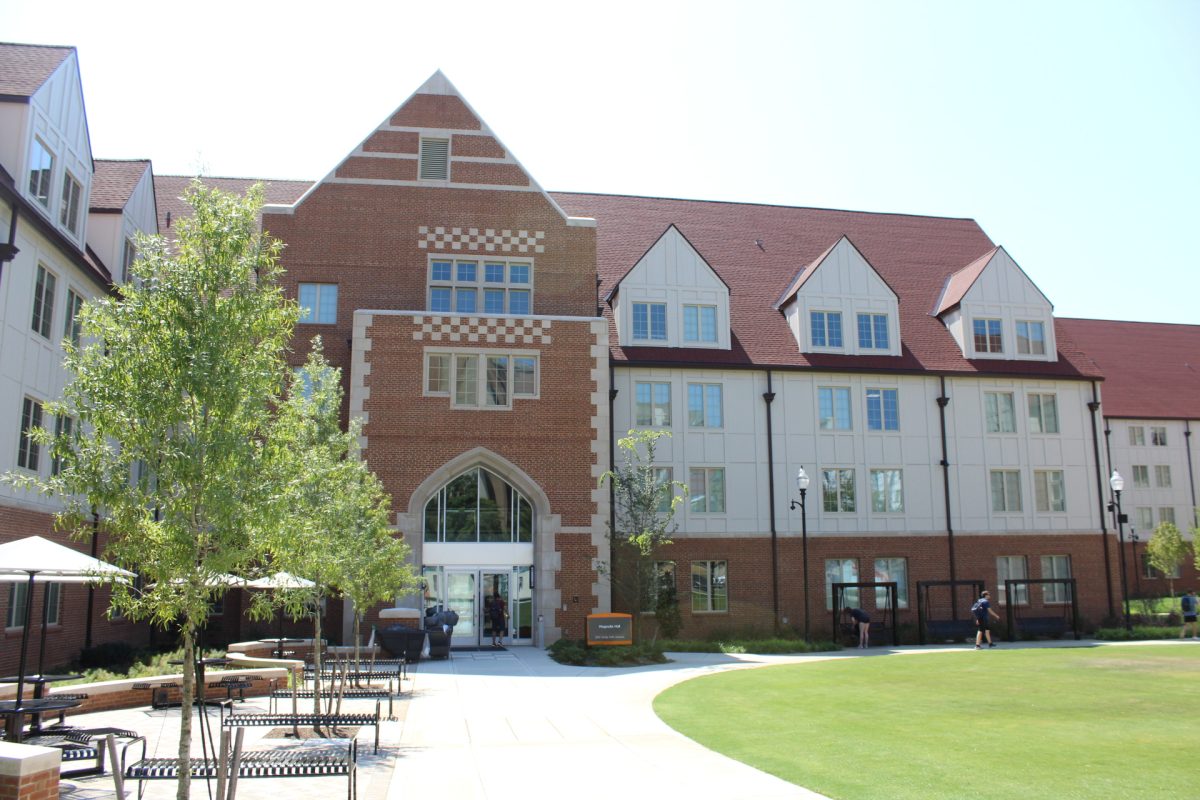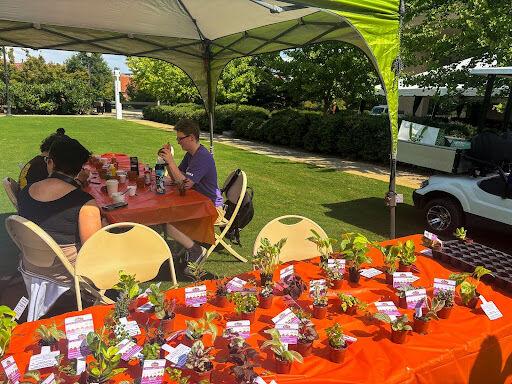
On Sept. 23, Rocky Top Recovery hosted their “Planting the Seed” event outside of the Humanities and Social Sciences Building. At this event, students could select a free, small plant by signing in with their Vol Card. They also enjoyed painting their pots, allowing them to personalize their new plants.
According to Rocky Top Recovery’s page, their main mission is to help students deal with mental health challenges and substance use by establishing a community and promoting awareness for students wanting to recover.
Rocky Top Recovery works alongside the Center for Health Education and Wellness to achieve this goal.
Nicole Wiggs is the collegiate recovery program coordinator for the University of Tennessee, where she works with students through Rocky Top Recovery. Wiggs spoke on how the two programs work together.
“Rocky Top Recovery is housed in CHEW and uses the ‘Vols Help Vols’ commitment, which is a core piece of CHEW’s mission,” Wiggs said.
Mental health is not an easy subject to talk about. Many misconceptions exist, making it difficult to address the topic effectively.
Students who are not going through a challenging time may not fully understand the impact of living with a mental health disorder. Additionally, stereotypes and misinformation can create barriers that discourage individuals from seeking help.
Each plant at this event had a note in the soil reminding students that “the opposite of addiction is connection.”
This reinforces the idea that not communicating about mental health with trusted peers increases the stigma.
“We want to plant the idea that living a recovery lifestyle is encouraged on our campus,” Wiggs said. “Rocky Top Recovery hopes (that) the more we talk about mental health, the less stigma will exist around it.”
The ambassadors of Rocky Top Recovery are dedicated to making students feel more comfortable about their well-being while on a college campus.
One ambassador of Rocky Top Recovery is Vanessa Betancourt, a second-year doctorate of nursing practice student who studies psychiatric mental health. Betancourt spoke on how to make mental health a nonjudgmental subject.
“Some ways that we can decrease stigma is by demystifying mental health through open conversations, educating students through Recovery Ally training and offering peer support groups that welcome all pathways of recovery,” Betancourt said.
The word “recovery” can sound daunting for those facing mental challenges and seeking support. However, Rocky Top Recovery eases those concerns by hosting inviting and safe events each week that cover a variety of recovery needs.
Some of these include welcoming hangouts, meetings for eating disorders and resilient mind meetings. There are also all-recovery meetings that focus on addiction. Most of these gatherings are in the heart of campus, John C. Hodges Library, giving students easy access to help. There is also a Zoom option for those who are unable to meet on campus.
Rocky Top Recovery encourages students to get help, acknowledging that it is easier said than done.
“You can reach out to a Rocky Top Recovery ambassador @rockytoprecovery on Instagram, consider making a list of things you want your recovery support to include, try out a Rocky Top Recovery support meeting or attend a Rocky Top Recovery community event,” Betancourt said.
It’s essential to check in not just with yourself but also with your friends and family. While everyone’s healing journey is different, there are common signs that may suggest someone is struggling.
Some of these cues include major mood swings, lack of motivation, isolation, and changes in appetite and sleep.
“You are not alone in your struggles, and there is hope for you,” Betancourt said. “It takes strength to ask for help, but strength is not defined by being unbreakable.”