The nostalgia of homecoming is felt all over campus as alumni from varying classes find themselves back at UT years later. The tradition of homecoming began in 1916 and continues to this day — new traditions have been made along the way, and some have been left behind.
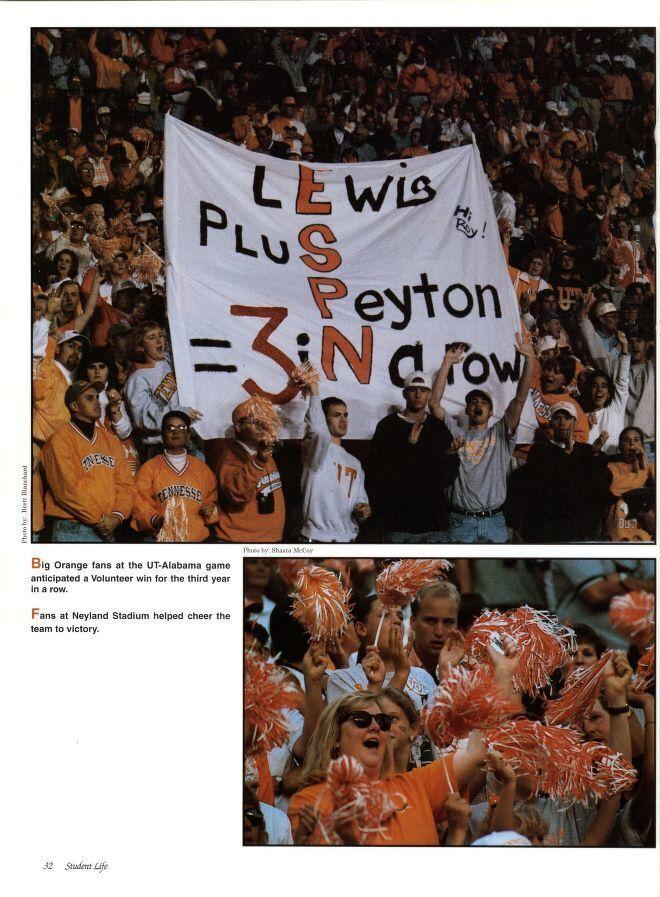
Homecoming traditions have been documented since the beginning through all of the Beacon’s namesakes. Originally known as The Orange and White — the present-day Daily Beacon — the public is able to see the shifts and changes made within homecoming traditions through archives provided by UT’s library.
Alesha Shumar, university archivist and associate professor at UT, provided information about the storing of archives. Some of the archives are donated, but the majority of the archives are picked up from the newspaper stands over the years. The archives date back to 1901 when the paper first began, and they continue to grow to this day.
In 1916, the goal of the first homecoming was to create an alliance between alumni and the university which would “concentrate their loyalty and their support of the Alma Mater.” The first homecoming was certainly not the biggest, and the traditions we know now were not made until years later.
Denise Demestre Woods graduated from UT in 1995 and talked about her experience celebrating homecoming as a student.
“Being in Greek life at UT, homecoming was always a big deal,” Woods said. “Whether it was welcoming back sorority alums, helping build floats and painting banners, homecoming was always a special time as a student.”
The first real celebration for the homecoming didn’t begin until 1925 with letters sent out to 7,000 alumni and a total of 2,500 alumni made their way back to campus. The homecoming in 1925 hosted its first parade featuring donated automobiles with orange and white streamers carrying alumni wearing school colors around Knoxville. Hundreds of alumni were seen enjoying not only the parade but also events including the Ag Barnwarmin’, the Saturday Barbeque and of course, a football game in which they played and won against Virginia.
From 1925 on, homecoming became more and more popular than ever. In 1928, it was estimated that 2,700 alumni returned to “The Hill” for this annual celebration. Homecoming of 1928 marks the birth of the new alma mater composed by Chattanooga native, John L. Meek. It replaced the old rendition of “Here’s to the Old U. of T.”
The famous Ag Barnwarmin’ was an annual event that started in 1920. Before 1950, when homecoming queens became a tradition, a Barnwarmin’ queen would be announced at the dance. The dance allowed students and alumni to come together and enjoy music, dancing and other entertainment services which varied by year.
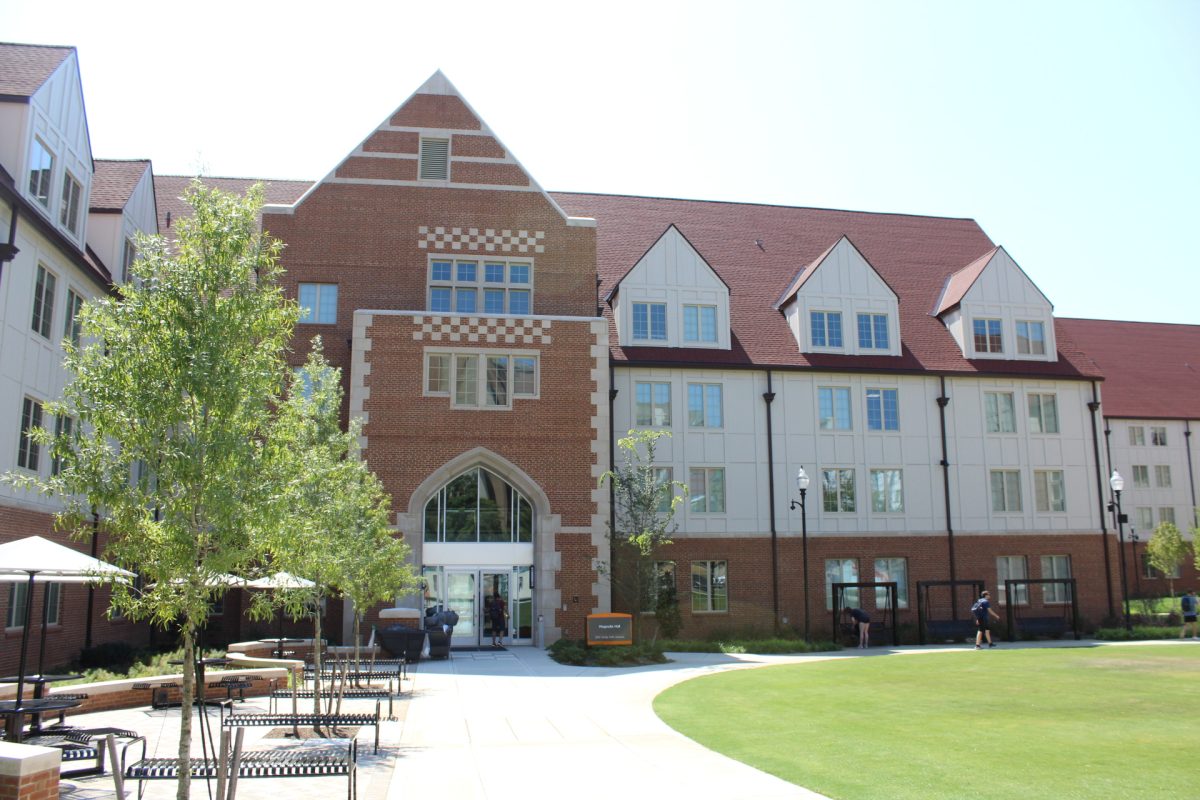
The homecoming traditions have always been something that alumni have looked forward to when coming back to campus, but what greets them most is the growth of the school. Every year through UT’s history, the student body gets bigger, calling for a bigger campus.
Kendall Pace graduated from UT in 2022 and talked about what she notices when coming back to campus.
“The biggest change I have noticed is the construction and changes being made to campus.” Pace said. “While it can be sad to see some of my favorite places to go, I am so excited for the future students to have even more choices and better facilities than I had.”
Woods also talked about the development of campus and the surrounding area when she visits her son who now attends UT.
“I enjoy seeing the growth of campus and new projects taking place,” Woods said. “It saddens me to see how the Cumberland strip has changed with the removal of so many iconic establishments that provided so many fun times and memories during my student life.”
Throughout years of coverage on the annual homecoming celebration here at UT, the one tradition that has stuck and will continue to be a part of the alumni experience is additions to campus in order to help keep the people connected to campus. For the new additions and developments, we have our alumni to thank.