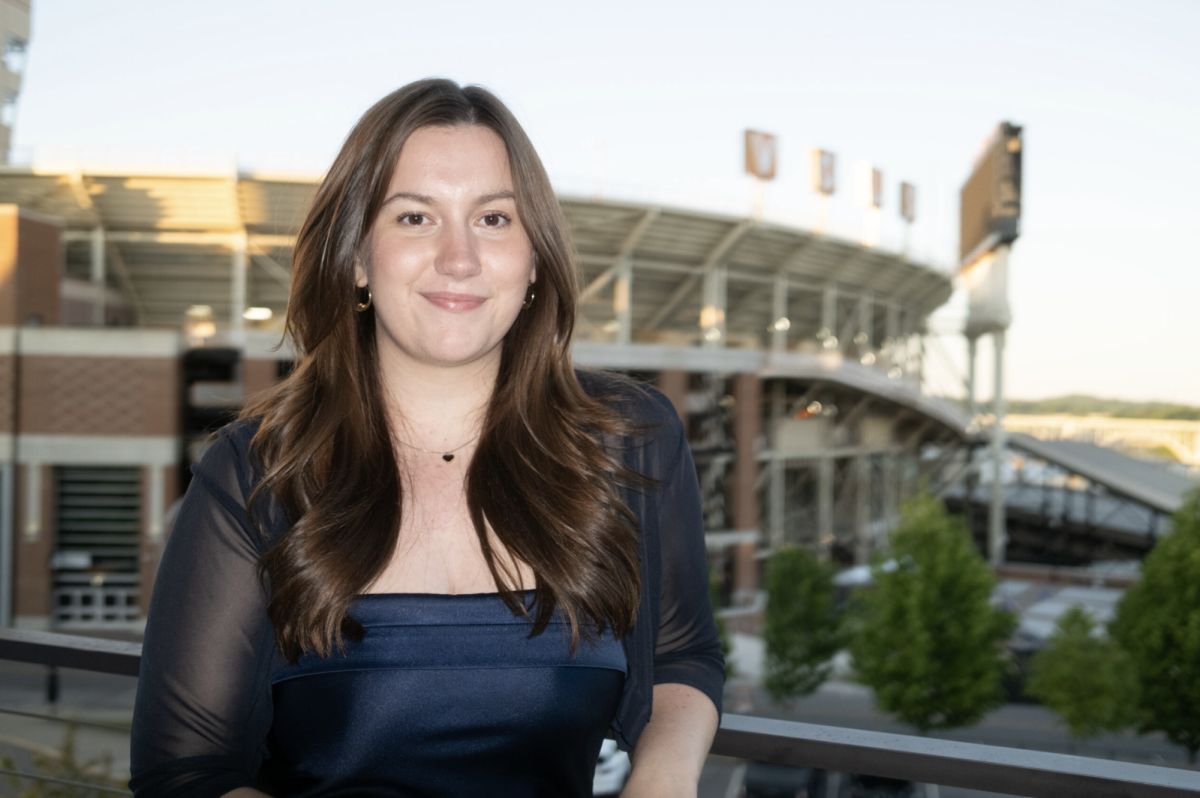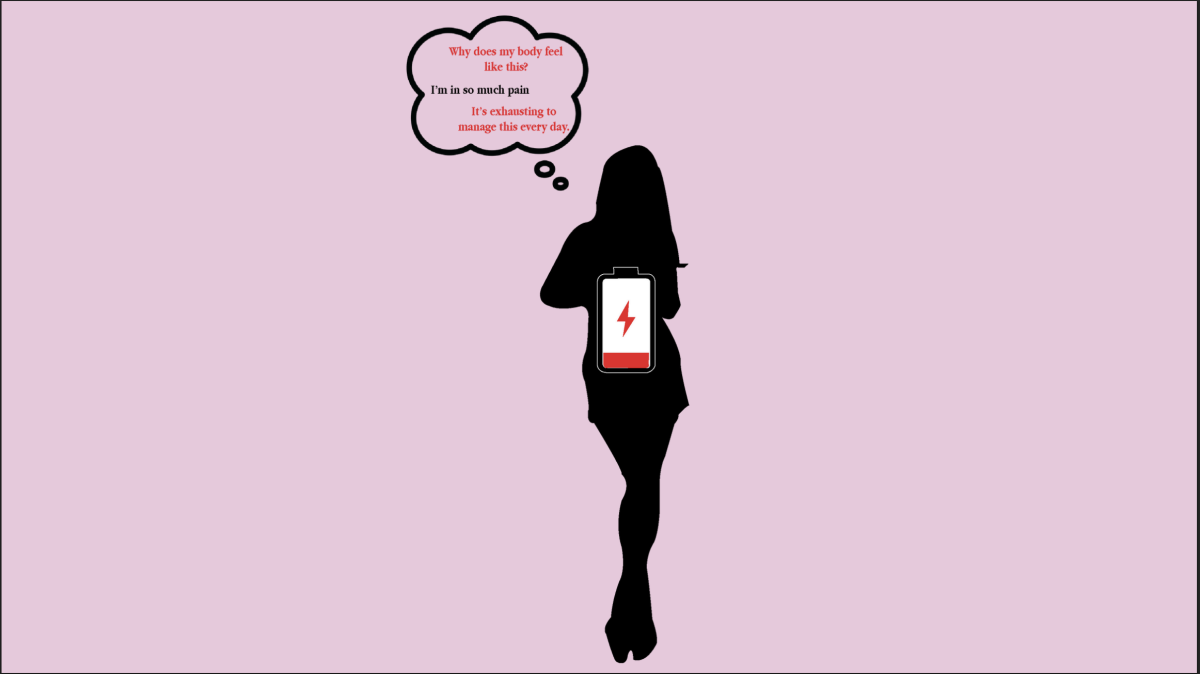
To many, I look like a perfectly normal and healthy 20-year-old girl, but many people do not see the constant struggles I have to face on a daily basis.
I struggle with a plethora of various chronic illnesses, which is something I never talk about, although it is a huge part of my life. I have been dealing with these illnesses for quite some time now and although I have improved in many of my conditions, every day still is a struggle.
Since my junior year of high school I have been dragged to various doctors appointments, medical tests and therapies. To say that I am tired is an understatement.
I reached my limit during my sophomore year of college. Barely able to eat anything throughout the day, just getting out of my bed was a struggle. With constant joint pain, fatigue, nausea, chronic headaches and unending stomach pain, I felt defeated.
There was even a period of time where I threw up every single day, multiple times a day, for a month. My friends and family would tell me that I was “so strong” and that I would “get through this and come back better than ever,” and I thought that was a load of crap.
I HATED when people would say I was so strong for being able to deal with these illnesses. I am not strong — I am a 20-year-old girl who has done nothing to deserve this pain that my body is going through.
What I have learned from learning to live with these illnesses is that it is a second job. I am constantly worrying about what will happen if I am not home and have a flare up. What if I am suddenly feeling so ill I cannot move and there are no resources for me to feel better?
I guarantee that anyone who deals with chronic illnesses has these thoughts running through their mind at all times, and that is where I ask people to redefine what their idea of strong is.
When looked up, the first definition of strong is “having the power to move heavy weights or perform other physically demanding tasks.” This does not remotely relate to dealing with a chronic illness.
Instead, strength is knowing when you need to rest and take a break — even if it means missing out on something else. Strength means advocating for yourself during the many grueling doctor appointments. Strength is choosing to keep pushing through, even on the tough days.
Strength should be redefined as the ability to adapt to unforeseen circumstances. When living with a chronic illness, there is no normal “script” to follow. Anything can change at any given moment and it’s a very invisible and sometimes lonely battle. Having to manage fatigue, brain fog and the anxiety that comes with that is a lot for a person to handle.
Instead of trying to battle these adversities head on, I find it easier to celebrate the small wins — making my bed, finishing my schoolwork, making a meal and showing up for my friends even when my body is telling me not to.
Society tends to undervalue invisible strength because it doesn’t look strong. Take athletes, for example. Athletes are glorified for bouncing back after a physical injury, but the mental toughness and resilience of people quietly enduring chronic illnesses is overlooked.
This article itself is very vulnerable for me. I have never shared my experiences and thoughts on my various chronic illnesses on a platform like this before, and I think being vulnerable with others is a form of strength itself, giving others the courage to share their experiences.
If anyone reading is dealing with a chronic illness or any other serious illness, you are strong — but not in the way society makes it out to be. You are strong for getting out of bed. You are strong for finishing your homework or making it to all of your classes today. You are strong for powering through, even when it is the last thing you want to do.
Being strong is also giving yourself grace and taking time for yourself. You don’t always have to “push through” or power through to be strong. Being strong is recognizing when you need a break or when you need help.
Strength is often measured by loud and glorified triumphs, but that is not always the case. For people living with chronic illness it is quiet, patient and deeply personal. When we broaden our understanding of strength beyond physical capabilities, we not only honor those living with chronic illnesses and diseases, but we create a welcoming and compassionate community. With a community that values vulnerability, resilience and patience, other people who struggle with these illnesses are able to come forward and share their strength, too.
Natalie Dripchak is a junior at UT this year studying advertising. She can be reached at [email protected].
Columns and letters of The Daily Beacon are the views of the individual and do not necessarily reflect the views of the Beacon or the Beacon’s editorial staff.