Sabrina Carpenter’s seventh studio album “Man’s Best Friend” will have you laughing, dancing and longing.
The album was released on Aug. 26, just over a year after Carpenter’s “Short n’ Sweet” album broke records with hits including “Espresso” and “Please Please Please.”
Featuring a retro flair, Carpenter channels Dolly Parton, ABBA and Stevie Nicks while staying true to her classic pop sound and witty lyrics. From unhealthy relationships to letting your hair down on the dance floor, Carpenter captures the highs and lows of dating in your twenties.
The Carpenter controversy
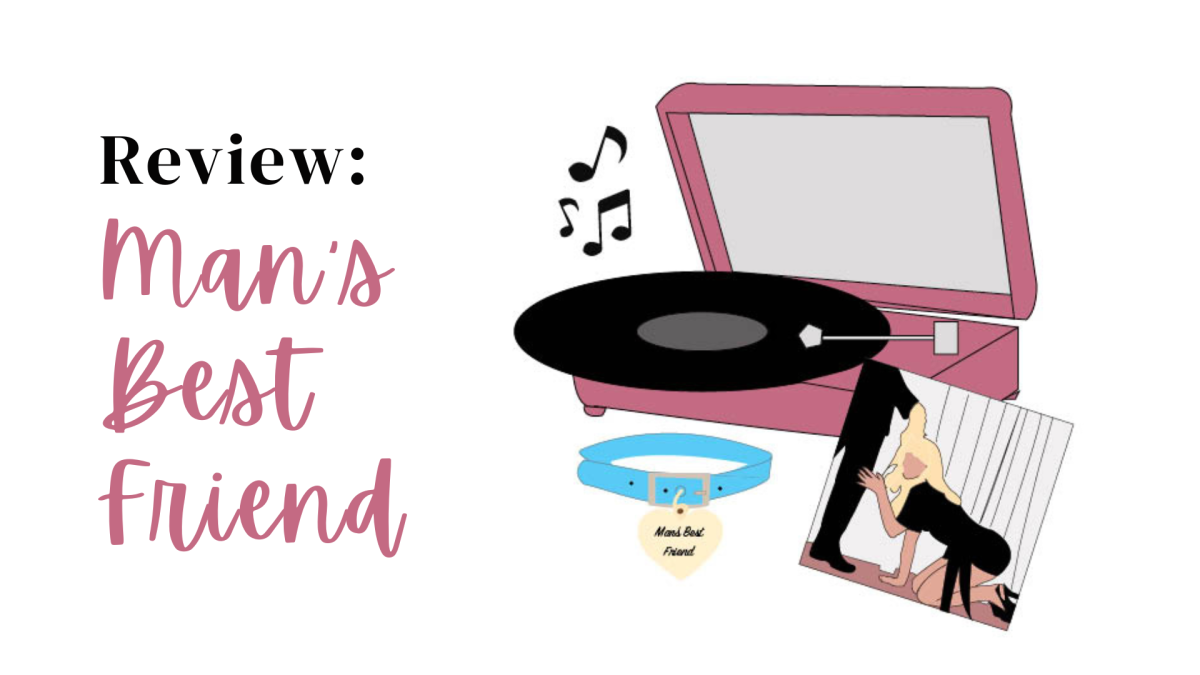
When Carpenter first announced her next upcoming album, the title and photos of Carpenter on all fours next to a male figure sparked debate. Comments on Carpenter’s Instagram post shamed the pop singer for catering to the male gaze and setting women back while others praised Carpenter for her satirical commentary on relationship roles and being comfortable with her sexuality.
Because there isn’t a song that shares the album’s name, the meaning of the title and cover art is largely left up for interpretation. In an interview with CBS Mornings co-host Gayle King, Carpenter shared her personal view.
“I think as a young woman, you’re just as aware of when you’re in control as when you’re not, and I think some of those are choices,” Carpenter told King. “And I think for me this whole album was about the humanity of allowing yourself to make those mistakes, knowing when you’re putting yourself in a situation that will probably end up poorly, but it will teach you something.”
While Carpenter’s actions and lyrics may raise eyebrows, her bold and carefree energy is a large part of her success. She is honest about her content and doesn’t shy away from backlash.
“The album is not for any pearl clutchers…but I also think pearl clutchers can listen to the album like that in their own solitude and find something that makes them smirk and chuckle to themselves,” Carpenter told King.
The cover and title may be concerning or brazen to some, but the songs of the album do not condone toxic power dynamics or female subjugation. Instead, Carpenter describes the dynamics of control and how her past relationships left her in a place of powerlessness.
“Manchild” was just the beginning
The only single released from the album, “Manchild,” quickly climbed the charts as an upbeat heartbreak anthem. The track debuted at #1 on Billboard Hot 100, marking Carpenter’s first #1 debut and second #1 song on the Hot 100 overall.
The song describes the regrets of dating immature men. In the accompanying music video, Carpenter is seen on an absurd journey across the American West. From roller skating on the interstate to swimming with sharks, the visuals represent her frustrating love life before she takes control of her journey.
As the first peak into the new album, “Manchild” seems to be a continuation of the bubbly and free-spirited energy from “Short n’ Sweet.” The song is the first in “Man’s Best Friend” tracklist, and as the album progresses, signs of Carpenter’s growth both in sound and lyrics further come to light.
“We Almost Broke Up Again Last Night” and “Go Go Juice” steal the spotlight
Speaking to a specific kind of heartbreak, “We Almost Broke Up Again Last Night” highlights the emotional and mental drain of a struggling relationship. The softer vocals pair beautifully with the strumming guitar and light piano. This track is one of the slower and more vulnerable pieces, reminding longtime listeners of “Emails I Can’t Send” and “Exhale.”
“Go Go Juice” is a highlight because of its ridiculously catchy and country-inspired twang. The energetic tune begs to be danced along to, even if it’s just tapping your foot on the T-link. Listeners have already pieced together how certain lines contain tongue-in-cheek references to Carpenter’s exes such as certain words rhyming with their names. Fans of Megan Moroney’s “Lucky” should add this track to their playlists.
The album recap: An emotional rollercoaster
Following “Manchild,” the album expresses the trials and triumphs of romance. It flows smoothly, linked by a vintage feel with modern accents and an emotional range spanning across all phases of heartbreak.
Despite the name, “Tears” is a surprisingly lively song. The lyrics describe the aphrodisiac-like qualities of acts of service, emphasizing how responsibility and thoughtfulness now take priority for Carpenter after dealing with the careless and childish behavior described in “Manchild.”
With a synthetic and electronic introduction, “My Man on Willpower” further embraces the vintage concept. The song’s cheerful harmonies contrast with the song’s lyrics, detailing a troublesome and confusing love story.
Connecting with the album’s overall theme, “Sugar Talking” expresses the struggle between emotion and logic in a relationship. The pace and tone show Carpenter’s frustration, both with her partner and herself, over continually being disappointed by his actions but still welcoming him back into her life.
“We Almost Broke Up Again Last Night” marks a mood shift. Although the previous tracks dealt with heavier topics, this song’s initial slow pace and acoustic guitar transforms the energy. A heart-aching ballad, the song revels in the pain of an on-and-off relationship.
Next up, “Nobody’s Son” can best be described as blissful hopelessness. In a sarcastic tone, the song describes accepting there is no chance at a happy relationship after countless dating disappointments. The whimsical feel of the song and its twinkly beat has been compared to classic Christmas pop songs, adding a nostalgic quirk.
“Never Getting Laid” is a breakup song set to a smooth and jazzy beat. Dripping with sarcasm and irony, Carpenter wishes an ex well while doing the complete opposite at the same time.
Moving into the post-breakup phase of the album, “When Did You Get Hot?” has a fresh and shifting tempo with breathy sound, punctuated by ad libs. This track is lighthearted and features many innuendos in true Sabrina Carpenter style.
While “Go Go Juice” may inspire some questionable decisions, the fast-paced beat and optimistic feel is too good to skip. This folksy song has a rustic twang featuring a fiddle interlude and wonderfully layered vocals.
“Don’t Worry I’ll Make You Worry” has a calm and gentle melody while ensuring her exes that her songs will cause distress. The song speaks to a larger discussion of singers using past relationships as artistic inspiration through satirical and wry lyrics.
“House Tour” feels like the end credits song of a childhood movie when all the characters are dancing. The sparkly sound and funky beat are addictive, and while Carpenter promises “none of this is a metaphor,” the song is chock-full of sexual innuendoes.
The finale, “Goodbye,” is the most clearly ABBA-influenced song with its orchestral elements and rhythmic piano. The theatrical and lush song is a perfect farewell, both to the listener and to all her exes.
In 38 minutes, Carpenter has created a complex album with nostalgic influences and her signature style of wit and humor.