ChatGPT, a chatbot created in late November of 2022, has rapidly grown in popularity over the last few years. With the ability to text, create images and act as a search engine, this artificial intelligence has become one of the most used applications in the world.
But what does this mean for us as students at the University of Tennessee? What does this mean for our education?
As I browse my daily news online, I see all sorts of articles related to the usage and effects of AI. Headlines continue to touch on human interaction with the chatbot, commonly discussing how students utilize it. At UT, I have often seen students using it during lectures, throughout class and for their homework.
ChatGPT is everywhere, and I do not believe this to be a good thing.
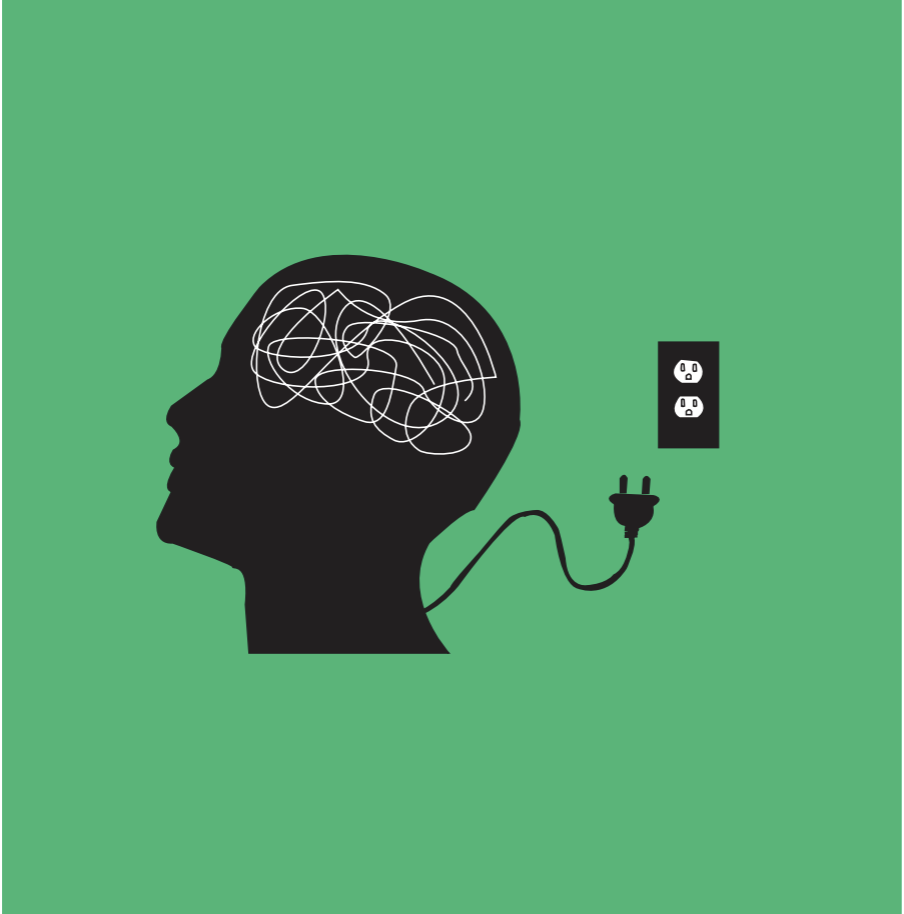
In our learning environment, there is a reasonable concern that students may become too reliant on the chatbot, as well as lose the ability to develop critical thinking skills. By asking ChatGPT to do their work, students are minimizing their minds and education.
On top of that, ChatGPT is known to not always be accurate as a search engine, and students using this tool as such can suffer the consequences. Utilizing ChatGPT for a course at UT is commonly considered cheating. There are certain courses that meet expectations, but most do not, and this has a negative outcome.
I’ve had many classmates justify their usage of ChatGPT, saying that it helps them accomplish busy work and complete their assignments faster. Some even use the AI tool to write their essays for class. However, I still stand firm on my thoughts of the chatbot.
As an English Creative Writing major, and especially a journalist, I’m aware that my insight is controversial to students who do use ChatGPT. However, I believe that ChatGPT should not be used to replace human writing and creativity.
Writing is a human craft. It is special because it is human.
Asking ChatGPT to write your essays takes away from your true intelligence, creativity and hard work. Your essay ends up meaning nothing, legitimately and morally. I believe it is insulting to those of us whose passion and job is writing. Using ChatGPT to do your school work, any kind of work, is wrong. Taking the time to focus on your education is important, and artificial intelligence should not be doing that for you.
Additionally, as many students know, college is expensive. Rent, food, parking and other necessities are all additional aspects of paying for school. By using ChatGPT, students are not actually learning the material in their courses, potentially wasting the money they spend to attend the university. It is careless to be at a university that gives students many resources and requires many more, and to throw it away by relying on a chatbot. This is not high school. We are becoming adults who have to spend money and time on crucial things, especially our college education.
With journalism, ChatGPT can’t go out into the world and report on a local story or make a connection with the reader. As journalists, our job is to report truthfully and personally. Audiences’ interest in our stories comes from their being told by journalists on the scene who have conversed with the people involved. My education and career feel threatened by the usage of ChatGPT, and it is something I am protective of. This field is valuable in a world of constant motion and news. ChatGPT does not put in the research and time that my fellow journalists and I do to grow our careers. I refuse to listen to people who think that ChatGPT is capable of taking over our careers as journalists.
ChatGPT is not capable of creating those relationships. People are the ones who put in the work to get the facts and stories from those who have experienced it. ChatGPT is incapable of being a reliable source, as it often spreads misinformation and it lacks human interaction.
Putting aside the many objections and defenses of how the chatbot can be useful, when it comes to our education, I would like to ask students to reflect on their choices. Developing your own skills, knowledge and ideas is crucial in your day-to-day life and within the classroom. Cruising your way through courses by using ChatGPT is not only ethically wrong but also damaging to your learning experience and your success in college.
ChatGPT can harm and affect more in the world than most students realize. This technology is damaging to our economy, agriculture and way of life. It may seem dramatic to say this, but I believe this to be true.
A chatbot should not be a technology to fall back on. It is something we do not need. I would like to believe that fewer students than I have seen rely so heavily on ChatGPT and understand the importance of developing their education in the right way.
When I look over at my classmates on ChatGPT the entirety of class, I’m disappointed. This is the time to be taking advantage of the resources around us, specifically our teachers and fellow students.
We owe it to ourselves to immerse ourselves in our education and everything else that college offers. Hard work and originality is more meaningful to our experience here than using a chatbot for school will ever be.
Be creative and innovative. Albert Einstein didn’t need ChatGPT to accomplish groundbreaking work in physics. And honestly, I’m sure he would’ve disapproved of this technology as well.
Aubrey Holland is a Junior at UT this year studying Creative Writing and Journalism. She can be reached at [email protected].
Columns and letters of The Daily Beacon are the views of the individual and do not necessarily reflect the views of the Beacon or the Beacon’s editorial staff.