When someone brings up the United States, what is the first thing you think of? I think of freedom and being able to say and be whatever you believe in. Still, many people might not be on the same page after recent events regarding personal liberty and freedom of speech.
If you have been following news of any kind, you might be aware of what has happened recently with Indiana University’s student-led newspaper, Indiana Daily Student.
On Oct. 14, Jim Rodenbush, advisor for the Indiana Daily Student, was fired for refusing to censor news stories regarding the school’s homecoming. The university also eliminated the newspaper’s print editions for the foreseeable future.
Following this, Indiana Daily Student released a letter from the editors.
Speaking of freedom of speech and freedom of the press, let’s take a look back at how social issues were presented on social media over the past few years.
In May 2020, police brutality led to the killing of George Floyd, sparking a nationwide wave of Black Lives Matter protests that demanded justice and systemic change across the country.
If you remember, during the height of the COVID-19 pandemic, people turned to social media, specifically Instagram, to voice their concerns.
Many people participated in “Blackout Tuesday,” which consisted of posting a black screen to their Instagram feeds with #BlackLivesMatter. However, there were some critiques about whether this was actually beneficial for spreading information.
According to a CNN article, rapper Lil Nas X commented that “I just really think this is the time to push as hard as ever, I don’t think the movement has ever been this powerful. We don’t need to slow it down by posting nothing. We need to spread info as loud as ever.”
Criticism came from many people with different perspectives, but the main thing that was argued was that posting a black screen on Instagram does not do anything beneficial for the issues being addressed.
In the same CNN article, music artist Kehlani pointed out, “When you check the #BlackLivesMatter hashtag, it’s no longer videos, helpful information, resources, documentation of the injustice, it’s rows of black screens.”
Posting vital information and resources regarding current events is important, but it needs to be done in a way that will be effective.
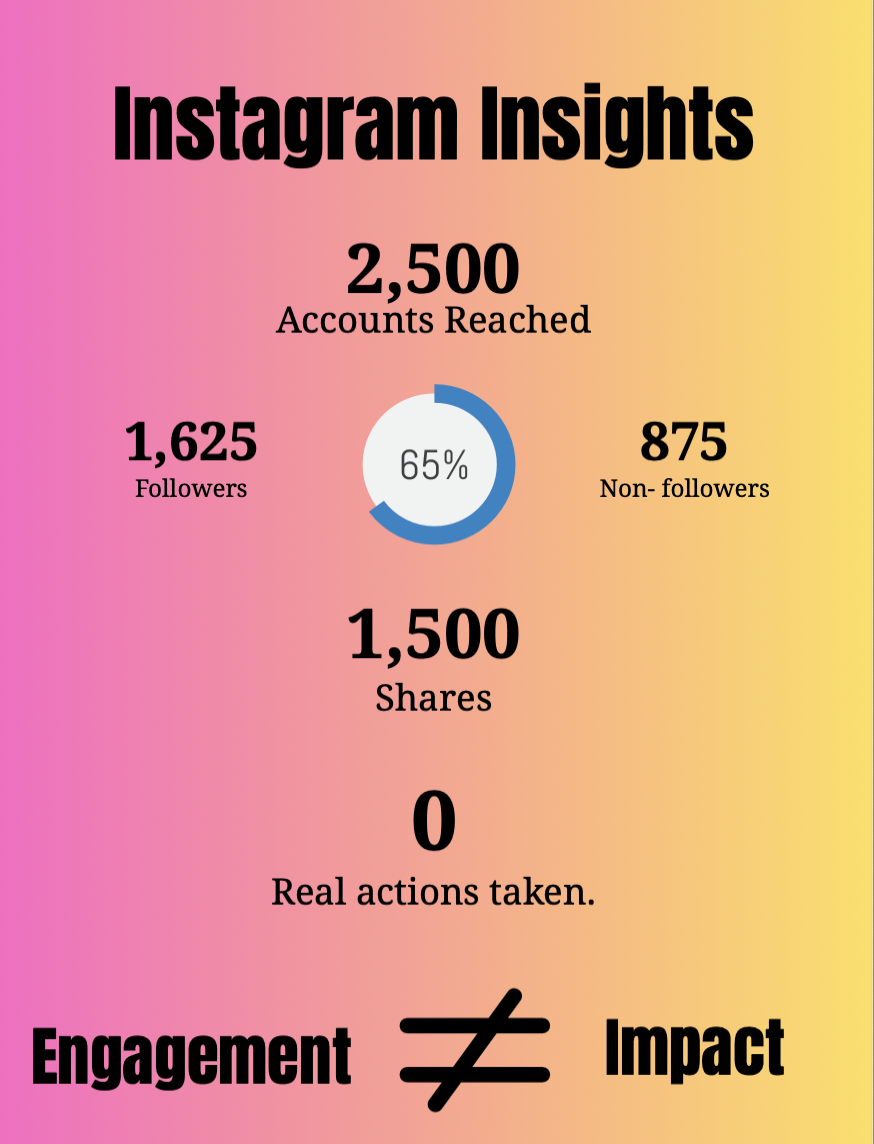
Now, let’s go back to why we are talking about Instagram stories and posts. Freedom of speech and freedom of the press are rights that each and every U.S. citizen is entitled to. Of course, if you want to go ahead and post as an activist, you have a right to, but the real question is, does it actually do what it was intended to do?
In my opinion, it’s not a clear yes-or-no — I think there are pros and cons to both. Posting on social media doesn’t mean anything, in my opinion. Social media is always curated to paint this perfect picture of someone’s life, beliefs and interests, so what is the difference when it comes to reposting political posts?
But sharing and circulating information is essential for people to become aware and educated about social and political issues, not just in the United States but around the world. Posting critical information can be a very good thing for many different reasons, but there are some troubles with this.
Many people feel pressured by their friends, family and even the media to think a certain way about issues. Sometimes there is an idea that if you don’t post about something, especially hot-button topics, you must be an awful person or that you are not concerned with major issues in America — but that is not necessarily always the truth.
Each person in their own way is different, and personally, I was raised with the idea that everything does not need to be shared on social media. I tend to be more reserved with my social media, sharing highlights with my friends and family and keeping it light and fun.
But that does not mean I don’t read the news or that I am unaware of what is going on around the country and the world. There are some topics and issues I feel very passionate about, but I personally don’t believe I need to share them on social media for the world to see.
The recent events with Indiana University’s student newspaper are troubling to see. American citizens are entitled to freedom of speech and freedom of the press, and it is disheartening to see those rights being taken away or upended.
As the opinions editor of a student newspaper, I am grateful that other writers and I have a platform to share our opinions without censorship.
Instagram reposts can mean a lot, but they also don’t at the same time. We live in a world where every little thing is posted to social media, and it is not a bad thing if you don’t want to participate.
Besides, there are many more effective ways to educate yourself about current events. Try reading the news regularly or pick up a book — the opportunities to learn are endless. And if you genuinely care about change, put in the effort. Vote, volunteer, support local organizations in your community and use your voice to stand up for what you believe in.
The change starts with you.
Natalie Dripchak is a junior at UT this year studying advertising. She can be reached at [email protected].
Columns and letters of The Daily Beacon are the views of the individual and do not necessarily reflect the views of the Beacon or the Beacon’s editorial staff.