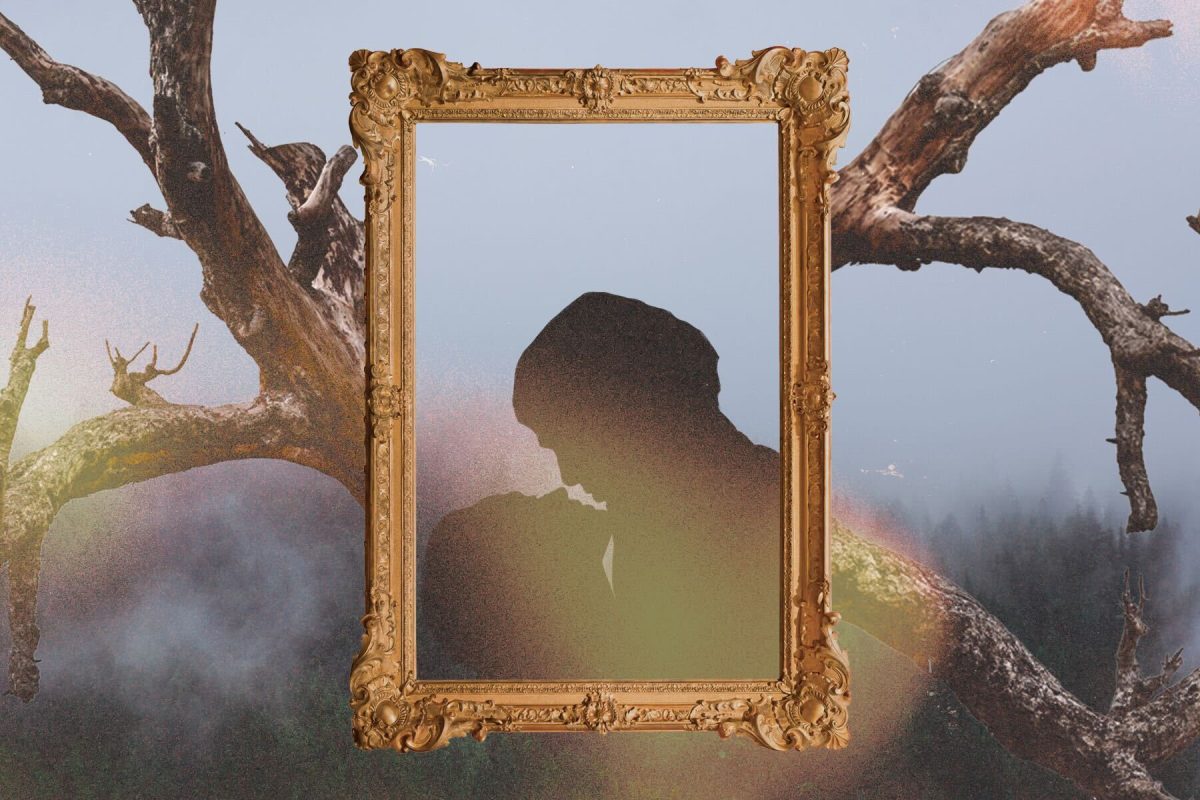
“The Shepherd King” duology by Rachel Gillig promised readers dark magic, a tale of intrigue and power struggles set in a world of vengeance and deception. “One Dark Window” introduces readers to the kingdom of Blunder, steeped in superstition. Its sequel, “Two Twisted Crowns,” aims to unravel the mysteries of this ancient kingdom and deliver a satisfying conclusion.
The expectations for these books were high, but does “The Shepherd King” duology secure a place among the great fantasy reads or does it crack under the pressure?
From the series debut of “One Dark Window” in 2022, audiences were captivated by its unique magic system — power is drawn from enchanted tarot-like cards known as “providence cards.” But the magic goes deeper than that. It is also transmitted through an infection, and if your magic is discovered, the King of Blunder will have you killed for treason.
The protagonist, Elspeth Spindle, is one of the unlucky to be infected, but she has managed to keep her magic a secret for over a decade. But she is not just any girl with magic — she carries a second voice inside her head. Accurately named, The Nightmare is a sentient being tied to the kingdom’s long-forgotten past.
The eerie premise is delivered through lush prose that immediately sets the tone, making “One Dark Window” stand out in a sea of young adult fantasy offerings. Gillig’s descriptions of mist-covered forests, dark castles and Spindle’s unease are completely immersive and transportive.
Where “One Dark Window” thrived in its atmospheric storytelling, its sequel, “Two Twisted Crowns,” struggled to maintain that momentum. The sequel expanded the lore and deepened the political intrigue, but the narrative often felt dull and struggled with consistent pacing. The story did not pick up until more than halfway through “Two Twisted Crowns,” making this a somewhat difficult read.
One of the strongest elements presented in the duology is Gillig’s prose, which is hauntingly beautiful. The short poems presented at the beginning of each chapter of “One Dark Window” set the tone for the world while at the same time acting as unintentional spoilers, removing much of the tension from the climax. In “Two Twisted Crowns,” Gillig removed these headers, making the ending much more surprising.
The romantic tension between Spindle and Rayvn Yew — a brooding noble turned highwayman — is well developed in the first book but becomes muddled by its sequel. The romance in both books can feel lacking, so for readers looking for an amazing, fiery romance, this series might not be for you.
“Two Twisted Crowns” introduces multiple perspectives that enrich the world and give readers a better understanding of each character. Still, it can dilute the central emotional conflict between Spindle and Yew. However, these perspectives give readers a look into a budding romance between Ione Hawthorn, Spindle’s cousin, and Elm Rowan, Yew’s cousin. By the end of the series, the relationship between Hawthorn and Rowan feels more developed and is much more intriguing and powerful than the main characters.
Spindle is a compelling lead who defines internal struggles and significant growth, but other characters, such as Ravyn and Hawthorn, feel underdeveloped in comparison. Hauth Rowan, the central antagonist, has intriguing motivations but lacks the complexity to make him a memorable villain.
The magic system, arguably the duology’s biggest strength, is extremely unique. Using providence cards, each having a different magical aspect, adds a structured element to the plot that is lacking in other fantasy series.
However, the rules that govern this magic system seem inconsistent and underdeveloped. Many plot twists revolve around last-minute revelations regarding the providence cards that make key moments feel like they were written for convenience instead of well-developed logic.
The biggest issue with “Two Twisted Crowns” is its pacing. The previous book builds suspense, but the sequel seems to meander through the plot. Political maneuvers feel drawn out, and internal monologues seem repetitive. But, with that being said, the ending of “Two Twisted Crowns” is amazingly written and delivers an emotional conclusion that lingers with readers long after the final page.
Despite its faults, “The Shepherd King” duology was an entertaining read. It was beautifully written, intriguing and immersive, making it worth any pitfalls. It may not be perfect, but its atmosphere and unique magic make it an enjoyable journey for anyone willing to embrace its flaws.
For those who enjoy ancient magic, gothic fantasy, a slow-burn romance and unique magic, “The Shepherd King” duology is definitely worth the read.
Rating: 3.5/5