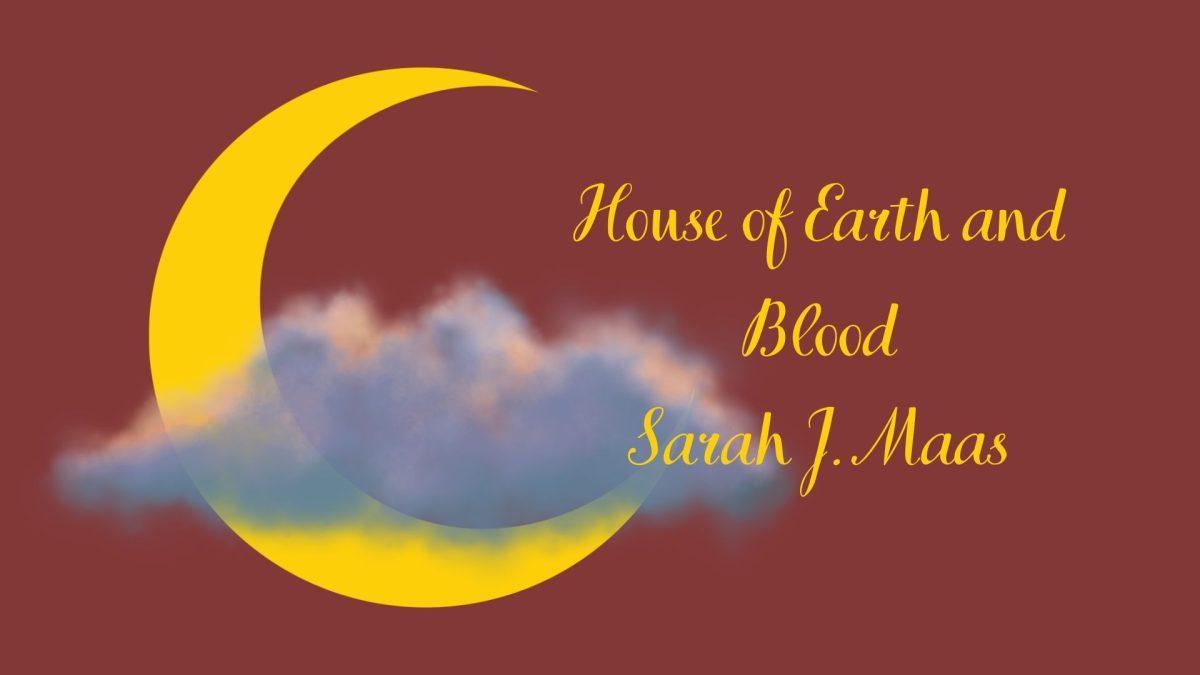
Proclaimed author Sarah J. Maas’s most recent series “Crescent City” is her most daring and complex saga yet. Maas is known for her immersive fantasy series “Throne of Glass” and “A Court of Thorns and Roses.”
“Crescent City” is Maas’s most underappreciated series, but it has so much to offer. There are three books currently released, with at least one more on the way.
“House of Earth and Blood” is the first book in the series and introduces readers to Lunathion, a fantasy city unlike any other. What makes Lunathion unique is that they have many of the luxuries we have in the real world — cell phones, clubs and cars.
This urban fantasy takes the time to explore grief, loyalty and identity in a way Maas has never done before.
There is never a lack of classic fantasy creatures, from fae and angels to demons and shifters. “House of Earth and Blood” has it all.
The story follows Bryce Quinlan, a half-human, half-fae woman whose life is thrown upside down when an otherworldly demon attacks her best friend. Two years later, Bryce is forced to work with the brooding angel, Hunter Athalar, to solve a string of connected murders.
Together, Bryce and Hunter must uncover these mysteries, but along the way they will discover the city’s dark underworld, ancient magic and a passionate, slow-burning romance.
Maas’s talent at creating lovely, fierce female protagonists does not end with Bryce. She is flawed, deeply relatable and undeniably strong. Bryce is framed as the classic party girl, but as grief tears her apart, she is reshaped by personal growth and trauma.
The dynamic between Hunter and Bryce is irresistible. Their relationship is refreshing for a genre that tends to jump into romance arcs. It is slow building but tender, realistic and tense.
“Crescent City” is brimming with mythology, history and politics that can take some time to fully understand. Furthermore, each book is over 800 pages long, which can be daunting for some readers.
The beginning of the book can feel slow due to Maas’s intensive world-building, but readers are rewarded for their patience with unexpected plot twists, intense action and a dramatic conclusion.
Additionally, readers have complained that the tone is not consistent throughout the book. Shifts from dark moments to quippy dialogue can be confusing. While Bryce’s lighthearted personality adds wit, some may find that it contrasts too heavily with the dark undertone of many scenes.
“House of Earth and Blood” provides a shift from Maas’s other popular novels. It is more mature, bloody and complex than anything she has done so far, tackling topics like addiction, inequality, injustice and power, all while maintaining the reputation of a fantasy thriller.
Maas thrives when writing emotional climaxes, and “House of Earth and Blood” does not disappoint. These scenes carry exceptional weight and are one of the strongest sequences across all of Maas’s novels.
“House of Earth and Blood” is much more than a fantasy novel — it is a story about friendship, love, grief and healing. Bryce never demands perfection and she doesn’t save the world because she wants to be a hero, but because someone has to do it. These traits shown by Bryce are what truly set this book apart in such a saturated fantasy genre.
For fans of Maas’s other books, this is a must-read series. But for those new to fantasy or Maas’s work, this might not be the best option to start with. It is typically recommended to read “Throne of Glass” before diving into Maas’s vast bibliography.
Rating: 3.75/5