
In December, I was officially diagnosed with obsessive compulsive disorder, depression and generalized anxiety.
However, I have been dealing with these mental health issues for the better half of 10 years.
I first noticed my OCD when I was about 11 years old. The jump from elementary to middle school was very hard for me. I had no self confidence, I was extremely shy, and I felt like an ugly duckling — something that my friends and classmates would constantly remind me of.
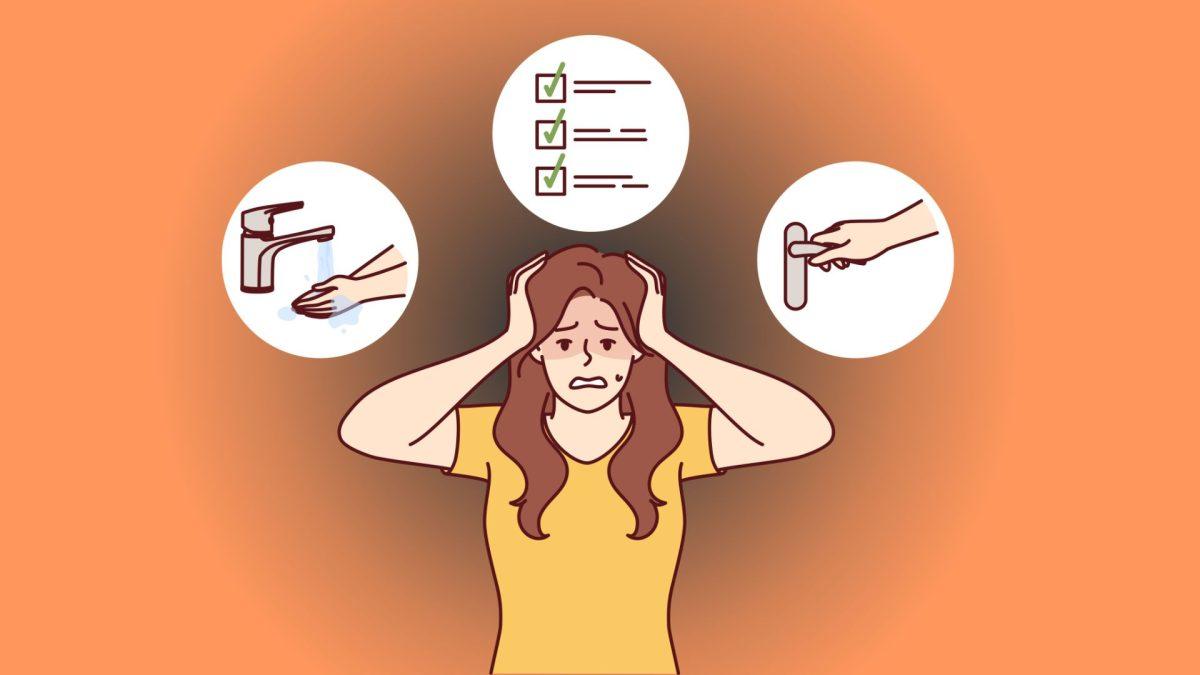
Given this, I began retreating inward and in a pitiful attempt to control my little world, my mind became obsessed with specific numbers and tasks — to the point that I was able to convince myself that if I didn’t flip the light switch and touch every corner of my room exactly 12 times, something terrible would happen, even though I never knew precisely what I thought would happen.
I refused to go to therapy and I allowed my compulsion number to climb all the way to 24 before a classmate and teacher caught me repeating a silly action in class one day.
One day, at age 13, I couldn’t stop opening and closing my textbook before moving on to each question, and I was starting to panic because I kept forgetting which number in my routine I was on, so I had to start over.
It was humiliating. So the next day I decided I wasn’t going to have OCD anymore, and I basically bullied myself into hiding all my tics, and honestly, I was quite successful.
After a few months, even I could barely notice I had OCD. I had suppressed it only to show itself during certain tasks and contained most of my tics in thoughts. It was manageable and I never went to therapy.
This worked for a little while, until last year.
With the surmounting stress of college and relationship problems, old habits began resurfacing and one day I found myself feeling like I was 13 again.
It felt like my OCD had just been dormant, growing into a bigger monster and were now surfacing in “attacks” of anxiety and worry, which made any task almost impossible to do without being interrupted by repetitive tics and counting.
However, 10 minutes later, I would be fine. It was the most confusing thing I had ever experienced.
Finally, I bit the bullet and called a therapist. I felt so ashamed that I was no longer strong enough to handle this on my own. I could lead organizations, solve others’ problems and guide others, but I had no control over myself.
What was I to do? How would others react?
It took me a few months to finally realize that it was OK not to be perfect, and every day I still have to wake up and remind myself of that.
Mental health used to be something I could never easily talk about. I knew it existed, but I didn’t think it was something that affected me — even though looking back, it clearly was.
I didn’t grow up in an environment that necessarily made it easy to discuss my feelings, but now that I’m an adult, I’ve realized that my struggles aren’t quite as unique as I once thought them to be.
In college, I’ve learned that it’s more important than ever to be open about your mental health. Take it from me — I know how silly it feels to explain to professors, parents and friends why you haven’t been yourself and why your grades aren’t as good as they should be.
I could’ve done better even this past semester about being more transparent about what was going on in my life behind the scenes. If I could go back and make changes, I would.
But I can’t and neither can you, and that’s OK. That’s life, but we must keep going because brighter days are ahead.
I can finally see the light at the end of the tunnel. In just six months of therapy I have already seen so much improvement within myself and my battle with OCD, anxiety and depression.
As finals and graduation looms ever closer, it can be easy to feel smothered and overwhelmed, but your mental health must come first. Take some time — even if it’s just a few minutes — to go outside, breathe and feel the warmth of the sun on your face.
You are alive. We are alive. We are young. Speak up. Speak out. You have nothing to fear.
College is not the end, it’s just the beginning of the rest of our lives and we will get through this — together.