The University of Tennessee holds its students to high academic standards, but the current grading system doesn’t fully reflect the difference between meeting expectations and truly exceeding them.
Currently, the highest grade a student can earn is an A, whether you’re barely scraping by with a 92 or consistently overachieving and turning in near perfect work. Without an A+ option, students who go the extra mile aren’t properly recognized for their hard work.
As a current college senior, I’ve experienced firsthand the struggles and stress that come with maintaining a high grade point average. There have been several classes where I’ve worked diligently to earn the highest grade possible, only to feel like my hard work went unrecognized.
I’ve earned a 92 in one class, and a 98 in another, yet both counted the same toward my GPA. It makes you wonder, why push yourself to go the extra mile if it doesn’t make a difference? On the flip side, I’ve also worked incredibly hard in a class and come up just short with a 91, knowing that one point meant there was no way to get my GPA back to the 4.0 I’ve always strived for.
These experiences are exactly why I believe the grading scale needs to change.
Adding an A+ to the grading scale, weighted at 4.3, would give credit where credit is due. Plenty of other schools, like Louisana State University and the University of Alabama, have already made this change, proving that it’s possible to reward higher-performing students without inflating GPAs.
The A+ would not make it easier to get a higher GPA, it would set the bar even higher, only given to students who consistently go above and beyond.
The reality is that GPA matters. Whether you’re applying to grad school, internships or competitive jobs, even the smallest decimal points can make a difference.
If UT students want to have the same opportunities to stand out as students from other universities, something must change. From the very beginning, not having an A+ option has put Vols at a disadvantage in those cutthroat application pools.
Beyond the numbers, adding an A+ would push students to work harder. College is already overwhelming with classes, jobs and extracurriculars, so why not give students an extra incentive to really engage with their coursework?
Knowing there’s a higher reward for extra effort could create a culture where students feel more motivated to work hard. In the study The Effect of Various Grading Scales on Student Grade Point Averages, conducted by Kelli Barnes, she compared whole-letter grading to a plus/minus grading system.
Here, she found that introducing an A+ can be a motivational tool for students. Knowing that exceptional work can be rewarded with a higher grade may encourage students to engage more deeply with their coursework and strive for excellence. Not only would it provide the extra incentive, but it would also give students a chance to compensate for lower grades.
Further, if UT acknowledges that an A- is different from an A, why doesn’t it recognize that an A+ exists, too? If a student receives an A- in a difficult class, they would then be able to balance out the hit to their GPA by earning an A+, allowing for a more balanced grading system that gives room for grace.
Some might argue that the current system treats everyone equally, but fairness doesn’t mean ignoring exceptional work. Recognizing the best of the best would inspire everyone to aim higher without taking away from anyone else’s success.
Others may express concerns about grade inflation. However, as Barnes found in her study, implementing a plus/minus grading system — which includes the A+ grade — has been associated with a reduction in grade inflation. Research indicates that such systems provide a more accurate representation of student performance and can decrease the overall grade inflation trend.
At the end of the day, adding an A+ isn’t about handing out higher grades. It’s about giving credit where it’s earned.
UT students work hard, and the grading system should reflect that. Implementing the A+ would show that UT values not just meeting expectations but exceeding them, and that’s precisely the standard a top university should set.
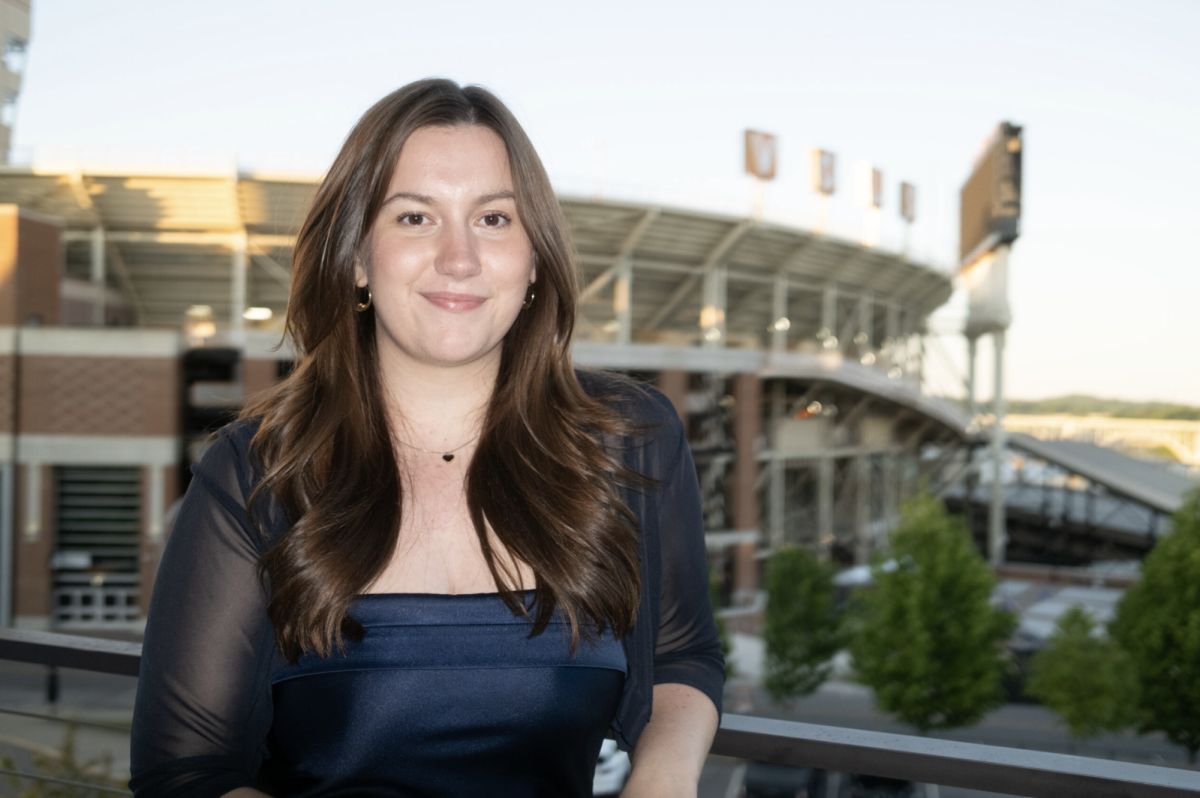
Caroline Hayes is a senior at UT studying kinesiology. She can be reached at [email protected].
Columns and letters of The Daily Beacon are the views of the individual and do not necessarily reflect the views of the Beacon or the Beacon’s editorial staff.