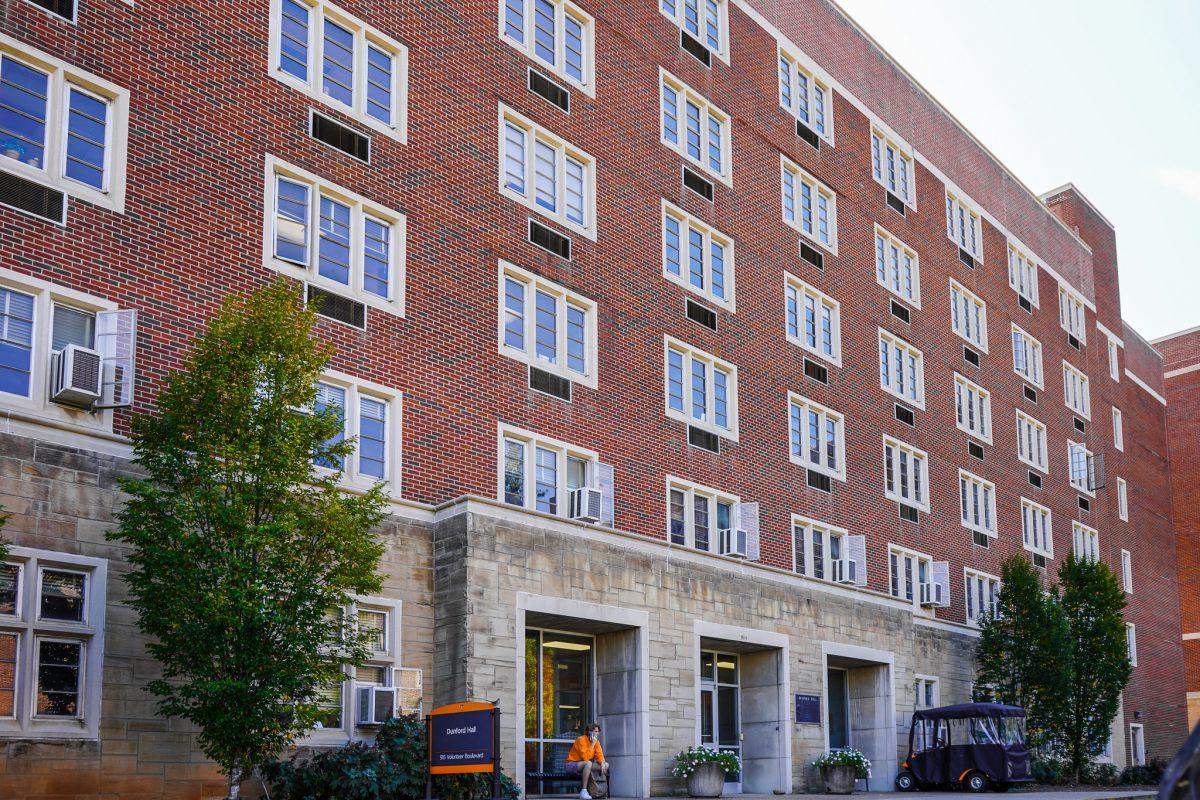
“Death of Dunford” is a Twitter account and community-sourced art project that was created by Monica Black, University of Tennessee history professor, to raise awareness of the tearing down of the historic Dunford Hall.
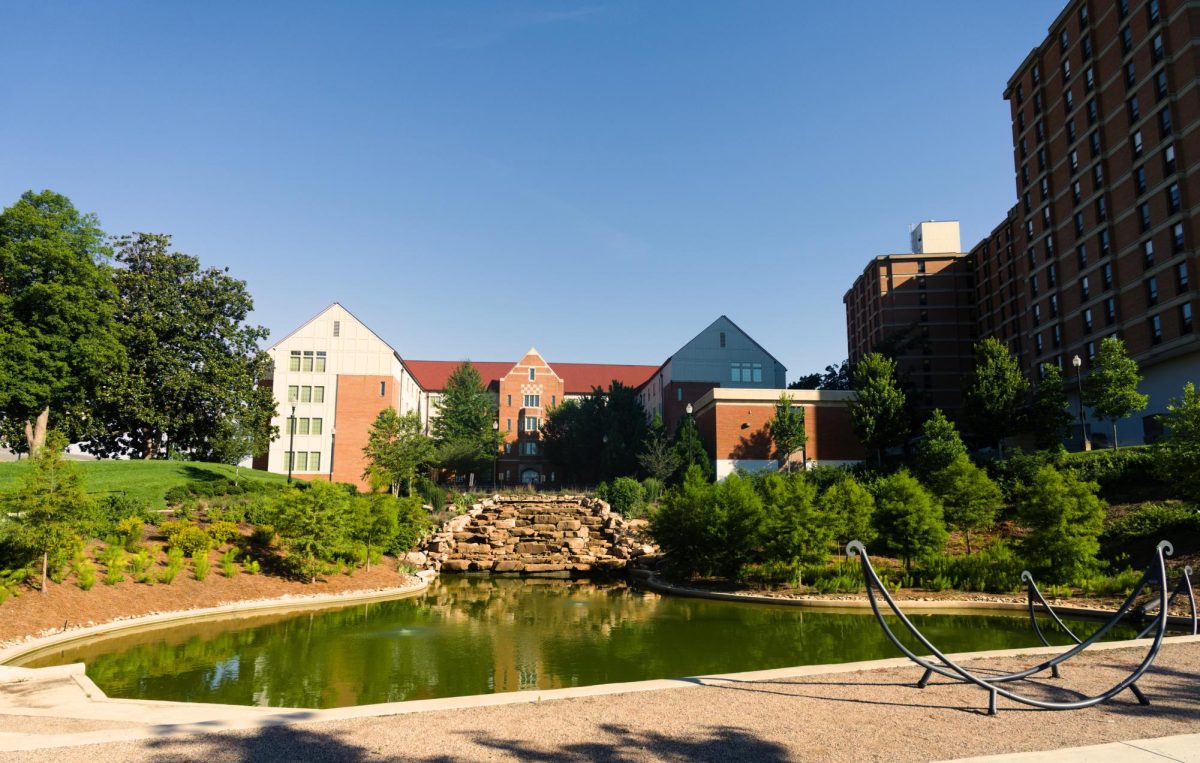
UT has initiated a design phase in the fall that replaces Dunford, Greve and Henson Halls with a new building for the Haslam College of Business. The plan includes construction to start in 2023. The History department, Humanities Center and Student Disability Services are being relocated, but faculty are unsure of what the university has planned for them.
“Dunford has been the home of the history department, one of the largest departments in the largest college at UTK, for more than a quarter century,” Black said.
“When our building comes down, we will no longer have a departmental home. We will be housed in offices scattered around campus.”
Members of the history department understand that the design will help support the growth of the student population for years to come, but are concerned that the university is contributing to space issues even more.
Nicole Eggers, assistant history professor, explained the conflict of decisions regarding the historic buildings.
“The challenge that the university really faces is the challenge of preserving its history and its uniqueness while also meeting some of these new space challenges that come from a growing student population,” Eggers said.
“I think that also one the answers is that we can’t infinitely grow the student population until we figure out how to have a good infrastructure.”
In 2012, the university created a plan to renovate Melrose hall to provide space for the Humanities Center, but this plan has since been delayed to focus on other renovations.
Katie Hodges-Kluck, communications and marketing coordinator for the Humanities center, expressed her confusion with the change of plans.
“Here we are a decade later and now we’re finding out business is getting a new building and displacing all of us that were told we’d have a home ten years ago,” Hodges-Kluck said.
The programs that are currently housed in Dunford Hall will be spread across campus, leaving many faculty and staff to consider leaving the university.
“I’ve talked to faculty who are like ‘I’m thinking about going back on the market’ or ‘I’m thinking about leaving’,” Hodges-Kluck said.
“I mean you’re going to drive away our department stars and what do you tell potential faculty? Come to UT! We don’t have a place for you but a cubicle!”
As the programs wait for a specific plan of relocation, the Twitter account continues to document the university’s complicated handling of Dunford. “Death of Dunford” retweeted a tweet by former Department of History faculty member Bob Hutton that appreciates the older building compared to the newer ones.
“My first year in Dunford I was directly above a Music Department practice room, so I heard a lot of piano and what I identified to be piccolo,” Hutton said in the tweet.
“It was a catch-all academic building and working there felt academic. I’ll take that over some crisp, orderly ‘space stationey’ building any day.”
Dunford Hall was built in 1963 as one of the first women’s dorms on campus. It was named after Professor Ralph Dunford in recognition of his contributions to give housing to veterans coming back from World War II.
“If the university is going to take these buildings away, they need to reckon with the history that exists in them, the stories that have come out of them, the fact that this was the first women’s dorm and what did that mean for this campus, what did that mean for this community and not just tear down the past to build some future that’s going we don’t know where,” Eggers said.
The university faces the responsibility of accommodating every student in the rapidly growing student population. However, the history that flourishes throughout buildings across campus brings disappointment to those who acknowledge their historical significance.
Editor’s note: Changes have been made to accurately reflect Professor Bob Hutton’s current position.