One day, my friend and I were sitting in Barnes & Noble, being cheap like the college students we are, reading fashion magazines to catch up on the latest trends and read articles from our favorite writers. From British Elle to French Vogue, to their U.S. counterparts, and of course InStyle, Glamour and Harper’s Bazaar, we had seized the magazine rack for ourselves. That day, we spent the better part of three hours engrossed by the content of the glossy pages of some of fashion’s most prestige journalism.
“I sometimes hate fashion magazines,” my friend said. “No one in real life would actually wear what they photograph and put in the magazine.”
Mind you, this scene happened years ago. And it still haunts me today.
My response to my friend’s bold statement was simply a shrug. I don’t quite remember what I was thinking; I was probably too focused on reading about the coolest new red lipstick to really give her a proper response. But as I look back on the mini rant now, I can’t help but really put thought into what my friend said.
Anyone who has read a fashion magazine knows how the book is divided. Once you get past the plethora of advertisements, there are the introductory, short, easy-to-digest articles in the front; the letter from the editor; next, varying from magazine to magazine, the style, beauty and shopping sections; then the real meat of the magazine: the photo editorials. These spreads are arguably the most important part of the magazine because they feature some of the most important pieces of the last season, (usually) wicked styling from the magazine’s editors and of course the photography fashion is so well known for.
So, it is in this way that most fashion magazines are formed, with the editorials at the end carrying most of the weight. Their structure is simple and easily understood. But content? Content is a different story.
Every magazine has three to five different photo spreads that are almost always outrageously impractical or frighteningly hyperbolic. I’ve seen spreads that have models jumping in six inch Louboutin heels to sitting on fireplace mantels in Dior couture, and those are tame examples. Pick up any fashion magazine and you’ll see what I’m saying.
Although they may be absurd, there is a scene in the documentary “The September Issue” that really outlines the importance of these photo spreads. Anna Wintour, one of fashion’s most important powerhouses and editor-in-chief of U.S. Vogue, looks at the outtakes from the latest photo shoot to be featured in the magazine’s biggest issue of the year. She declares that she dislikes the selected photos and asks them to be reworked from the beginning. With no questions asked, the staff starts from the beginning.
This scene from inside the Condé Nast offices reiterates the emphasis fashion magazines place in vision and aesthetic, especially in their fashion editorials. What these photos contain are the power to influence the whole world of fashion and commerce; Wintour may be strict but she knows the difference between fashion and what runs an industry.
Yes, my friend had a point in what she said. Unless you live in a fairy world or you’re Lady Gaga, you mostly likely will never walk outside in the tie-dye-fur-coat-with-eight-inch-platforms outfit Vogue magazine photographed for their September issue. In fact, you most likely will never see anyone in a tie-dye-fur-coat-with-eight-inch-platforms outfit. But that’s not the point.
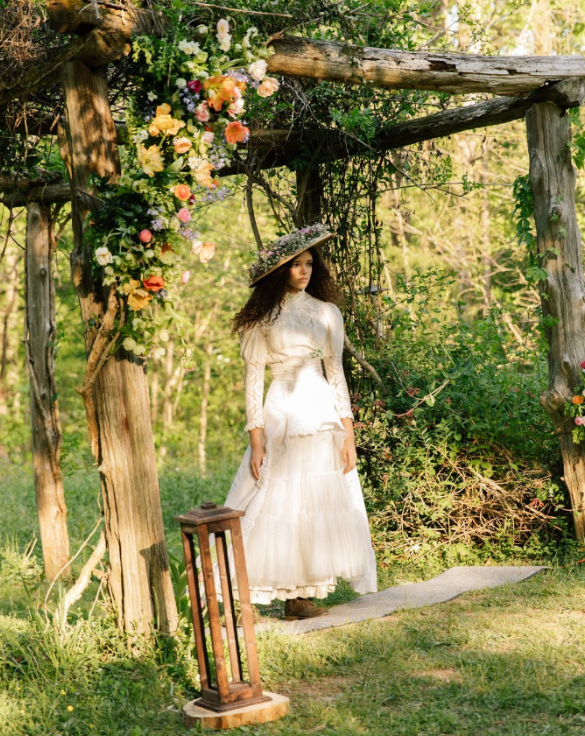
The point is to appreciate fashion as if it were an art, coming alive on the pages through the movement of the models, the light in the photographs and the artful interpretation of the photo shoot. Sure it may not be your style, it may not capture your taste; but I guarantee that the elements that brought together the final product you see in the magazine were established to inspire the reader and make them think about fashion and style in ways they may have not already.
Even my friend can attest to that.
“Although, those shoes are really pretty with that dress.”
Melodi Erdogan is a junior in journalism and electronic media. She can be reached at [email protected] or followed on Twitter at @melodierdogan.