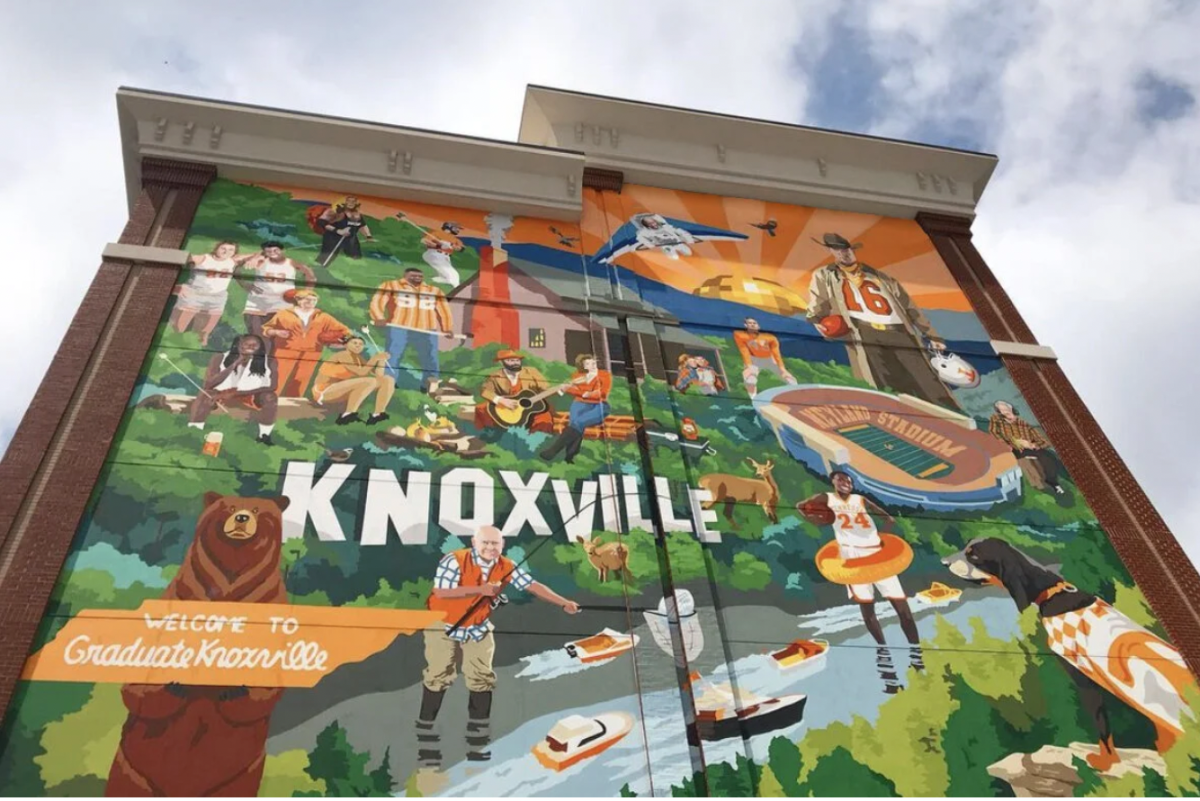
The Bassmaster Classic, also known as the Superbowl of Bass Fishing, was held from March 13 to 15 in Knoxville.
Behind all of the showmanship and sponsors of the Classic lies one of the most fundamental pieces of the entire tournament: conservation.
Just a few days before the tournament, 58 volunteers gathered at Ned McWherter Park to take part in the Keep The Tennessee River Beautiful river cleanup. Yamaha Rightwaters, a sustainability program created by Yamaha Marine, sponsored the event, where volunteers cleaned up 7,836 pounds of trash from the Tennessee River.
Among those volunteers was professional angler and UT alum Robert Gee, who stresses the importance of the river cleanup.
“A cleanup like this for the anglers is super important because, as us anglers, we’re trying to protect all our fisheries because this is how we make our living,” Gee said.
Joshua Grier, the sustainability program manager with Yamaha Marine, explained that efforts like the river cleanup are an “excellent way to bring all the partner organizations together.” Grier added that it’s not just about what one company or organization is doing, but what everyone is doing to help keep the rivers clean.
In 2019, the first year the Bassmaster Classic was in Knoxville, Yamaha Rightwaters met with Keep the Tennessee River Beautiful and became their first corporate sponsor. Previously, Keep the Tennessee River Beautiful had been solely government-funded.
Kathleen Gibi, the executive director for Keep the Tennessee River Beautiful, explained the importance of fishermen to the conservation efforts.
“They love the river; having a clean river means they get more fish, and it’s more enjoyable to them,” Gibi said.
Gibi praised professional anglers like Gee, who set a positive example to other fishermen and the general public by helping to keep the river clean and participating in cleanup events.
According to Gibi, the Tennessee River is “the most bio-diverse river system in North America, and one of the most bio-diverse in the world.”
The Tennessee River generates about $12 billion a year in the recreation industry, so helping to keep the river clean helps to boost the economy as well. Roughly 80% of the trash that ends up in the river actually originated on land. Rain sweeps the trash into the storm drain systems, which then empty the trash into the rivers.
“Cleaning up these lakes and making sure the fish are good and healthy is a major key for us,” Gee said.
Brandon Lester, a professional angler competing in the Bassmaster Classic, reiterated the importance of the conservation efforts.
“I’ve been able to say that my sole source of income for 13 seasons now has been bass fishing, that’s pretty dang cool,” Lester said.
Gene Gilliland, the conservation director for Bass Anglers Sportsman Society, shared that BASS has had a conservation program for over 50 years. Another way BASS promotes conservation is through their catch-and-release format for the Bassmaster tournaments; any fish that does not survive to the weigh-in counts against the anglers.
“At tournaments, our primary goal is to make sure we return as many of the fish back to the lake they came from alive and healthy, so they can be caught again,” Gilliland said.
One important key for Gilliland is getting the younger generations involved with fishing.
“From the conservation standpoint, the real key there is when we get kids and younger kids involved in the sport of fishing, they develop a responsibility, they develop an appreciation for the resource, and they want to protect it. And that’s one of the things we really try to foster, is that idea of protecting the resource for the future,” Gilliland said.