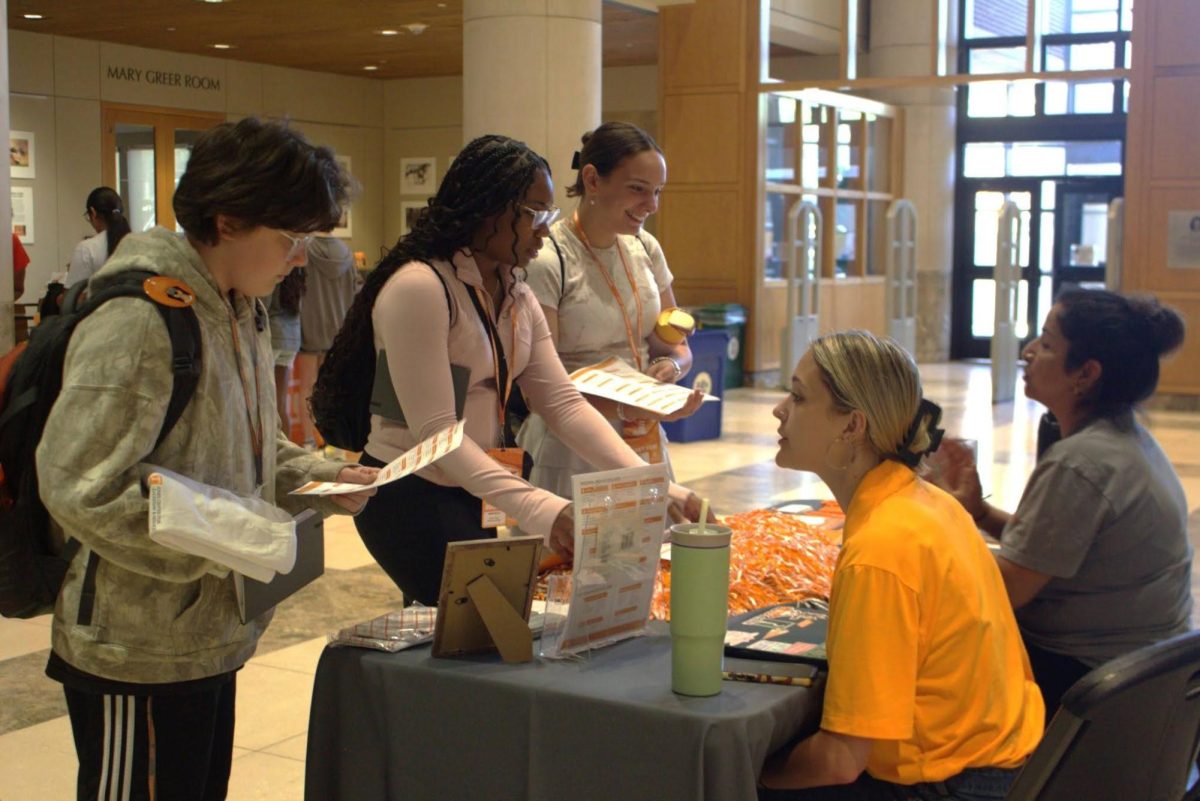
Today marked the first day of this year’s SGA elections. Three campaigns are running with varying platforms, but one concern they all have in common is voter turnout, something that may be at risk after the student voting website crashed today.
The website began experiencing technical difficulties shortly after opening to students at 8 a.m.
“We would love for (the site) to be up, but hopefully this doesn’t turn people away from voting,” said vice presidential candidate Mathew Morris of the Hardee Morris McCandless campaign. “We understand the technical difficulties. I’m not a computer guy, but hopefully we can get things working.”
As of Tuesday afternoon, representatives from each campaign noted that problems with the voting link seem to be associated with certain locations on campus, reporting that the main problem seems to be in Sorority Village.
McKinsey Patterson, vice presidential candidate for the Hollingsworth Patterson campaign, said she is most concerned about reconnecting with voters once the website is running again.
“We really don’t have clarity on what it’s going to look like from here or how we’re going to regain those votes that have already been put through or reconnect with students whose votes haven’t counted so far,” Patterson said. “The goal that’s been overarching is to increase voter turnout. And you’re creating apathy when you don’t give students the opportunity to do that.”
Alex Pennycuff, presidential candidate of the “Challenge” campaign, also expressed his concern with voter apathy as a result of technical issues with the website.
“If you do vote and you click the link and see that it’s not open, you’re not going to go back and look later,” Pennycuff said. “In a three-way race like this, I think it’s going to be a very tight election, and it could change the outcome of it.”
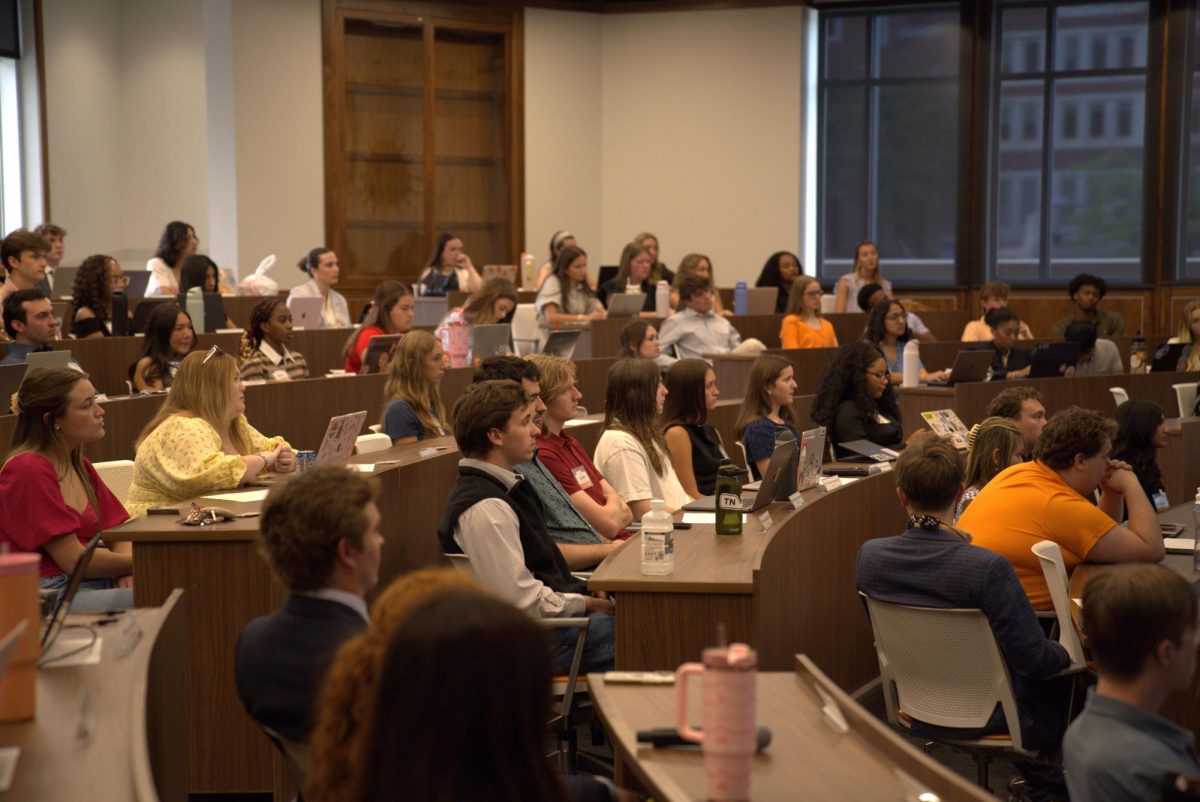
Pennycuff said getting the word out and showing presence on campus is especially important in voter turnout, as he said he feels only campaign participants attend events like last night’s debate.
“I think the biggest problem with SGA debates is that the only people who go to them are affiliated with the campaigns — so there’s no undecided voters,” Pennycuff said. “That’s the biggest thing that I’d like to see about SGA debates change, just getting the word out.”
Patterson said she experienced something different as a result of the debate.
“I had someone come up to me and say, ‘I wasn’t sure when I walked into the debate who I would be voting for, and I left knowing exactly who I would be voting for,” Patterson said. “That’s the point of the debate — to come in unbiased and to decide which candidates and which campaigns are best … So you can learn who aligns with your values most.”
Patterson said her connection with some audience members was due to the questions asked by her vice presidential opponent of the “Challenge” campaign Fuller Edwards.
“I couldn’t have known what to expect, but I was extremely happy with the way the debate turned out,” Patterson said. “I’m glad about some of the opportunities that my opponents gave me, and I really enjoyed the feedback from the audience.”
All of the candidates said they feel positively about the debate and will continue to show support for students with events throughout the week. A full list of these event may be seen on the Daily Beacon website (https://www.utdailybeacon.com/news/sga-calendar/article_1c4739e2-fa26-11e5-a4c4-5bcd5644be3c.html).