Jumping into the real world after college doesn’t start during the second semester of senior year. It is a process that begins long before that tough part-time job experience, various interviews for student organizations or internships, resume building and so on. Students begin training for such real world situations from the college application process through graduation, a time when even some people still aren’t adequately prepared.
People skills, interviewing skills and writing skills are all necessities for any career in the real world today. Unfortunately, perfecting these skills takes time and effort. Fear not, for the university has numerous outlets for student improvement, preparation and eventual success in such real world environments.
I personally started a little bit late in my real world training and don’t see the end in sight. But in the past year or so, I feel like I’ve seen a large amount of improvement despite my great distance from truly toned professional skills.
For the first time about a year ago, I was asked for a resume for a part-time job. I was unsure why a small retail store would want a resume, so I threw together some past experience in chronological order on a document in Microsoft Word and brought it to the store. My interviewer stood me up and did not show. I gave my “resume” to another employee and, needless to say, did not get a call back.
In looking back at that resume, it was awful. Because my interviewer didn’t show up, my unprofessional resume was the only impression he had to make on me, and it obviously wasn’t a good impression.
In my search for professional improvement, I got involved in an organization that required a perfected resume for membership. After spending a great deal of time following the guidelines and mimicking the examples created by UT Career Services and consulting the oracles of resume writing available to students on campus, I put together something that was a much better representation of who I am as a student, a worker and a person. I was admitted to the organization and complimented on my resume. No resume is perfect, but mine did its job.
Having a pretty piece of paper bearing a name at the top is the easy part for most. The hard part is actually handing it to a recruiter or interviewer and making that first impression.
As a requirement for class, I attended the UT Job Fair at Thompson-Boling Arena. I don’t consider myself shy or nervous. It was already a rough day, since the resume I had spent so much time on was reformatted when I tried to print it in the Commons. So I went to the fair without a resume, feeling unorganized and unprofessional. It was a “wing-it” moment.
Another point that UT Career Services emphasizes is developing a “personal commercial,” a brief description about yourself to say to recruiters in job fair situations. This was hard to grasp at first. After approaching one company resume-less, I stumbled over words, looked off in other directions and sweat my palms off.
It didn’t quite come together with the next recruiter either, as I literally dropped all of my papers in the aisle and was answering her questions while I scrambled to clean up my eruption of flyers. But taking the first step is always the hardest — once you’ve tried it a few times, the rest is cake.
I decided to not memorize facts about the companies I approached but mention personal stories with the company or the impact the company had on my life. It seemed to lighten the conversation and build rapport with someone who didn’t care about me before I started speaking to them. Eventually I got a few business cards and made a few friends who might help me in the future. It was a great opportunity to begin my professional development, despite the fact that I was grossly unprepared and inexperienced.
There is never anything to lose when networking at the university. Even if you are unprepared, make an effort go to an event like the UT Job Fair just to get used to talking to professionals. It gave me a world of confidence for future networking opportunities.
Most students at UT are far from having the right frame of mind to head a Fortune 500 company. To get there, take advantage of what professional development opportunities UT provides students with at no additional cost. It will clean up your act and build a confident swagger within you to be successful after college.
Then eventually you can add something like “Pepsi-Cola, Chief Executive Officer” to that resume.
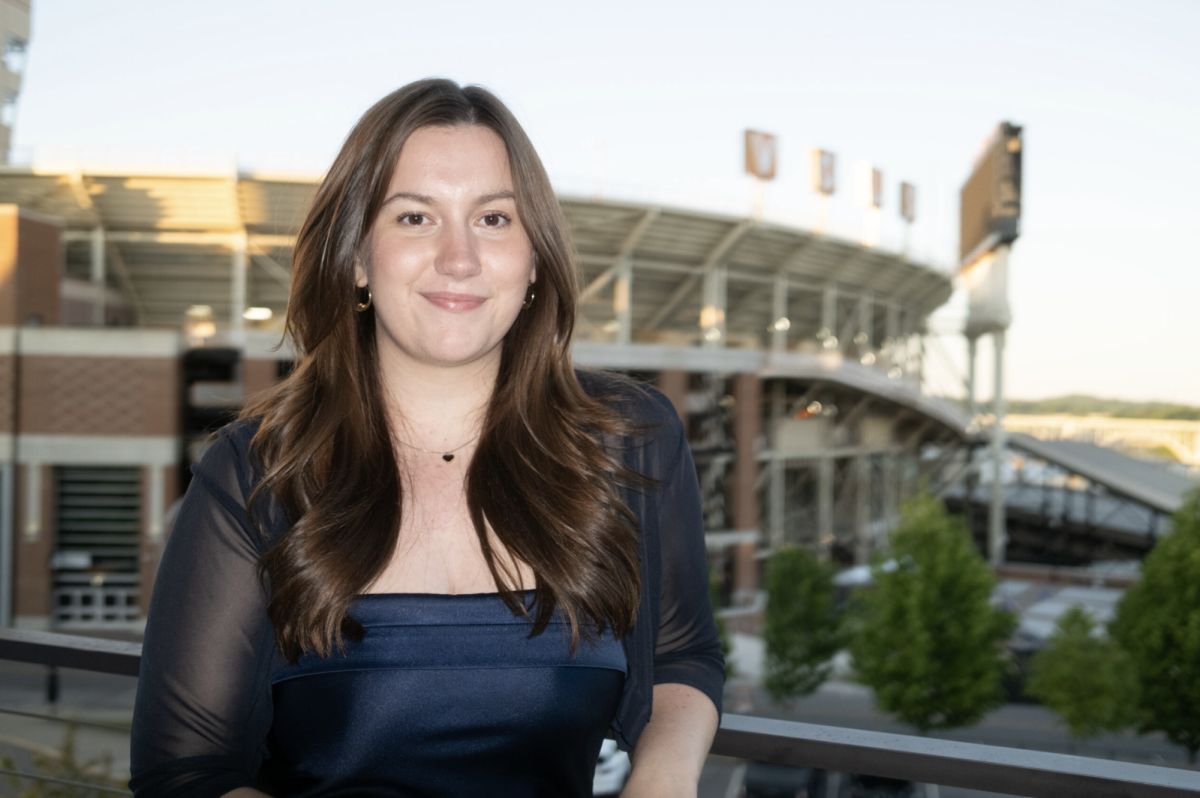
— Oliver Casey is a junior in enterprise management. He can be reached at [email protected].