UT introduced a new club this semester – the Appalachian Heritage Society.
AHS is an organization that aspires to elevate Appalachian communities, celebrate their voices, and culture and foster sustainability.
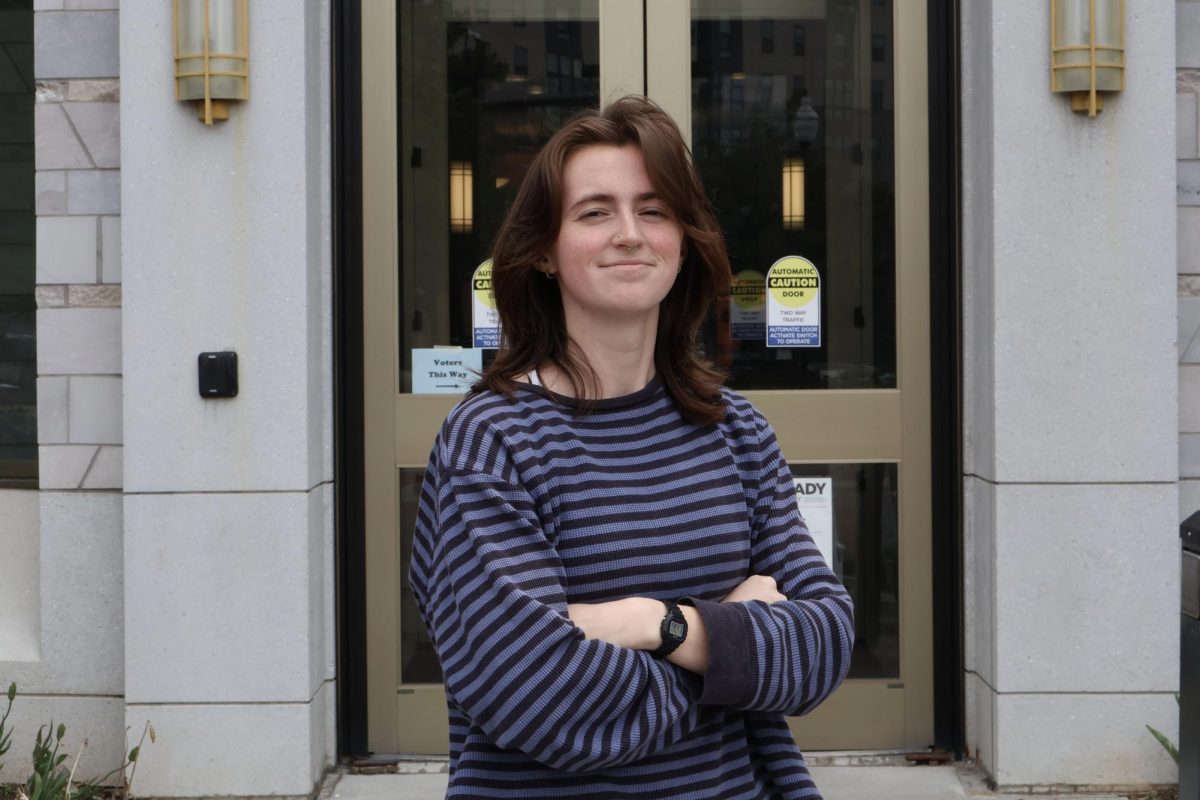
Gracie Amburn, a senior studying history, is the president of this association.
After Amburn completed Gabe Schwartzman’s Sustainability in Appalachia course with other members, she felt inspired to explore this subject beyond the classroom and enhance student engagement.
“I founded AHS because I felt as if there was a lack of Appalachian community and representation on campus,” Amburn said. “We have several classes in several departments relating to Appalachia, but no unified place for people to discuss or share between departments.”
The Appalachian region, which includes Tennessee, recently faced devastation due to Hurricane Helene. This hurricane has been described as the largest natural disaster in terms of geographic impact on the Appalachian Trail in its 100-year history.
Mazdyn Miller, a senior majoring in geology and environmental studies, grew up in East Tennessee. She spoke on how the hurricane personally impacted her.
“My heart hurts, and it has not stopped hurting since Hurricane Helene hit Appalachia,” Miller said. “These places that have been impacted are places that I know, that I’ve visited for years, and suddenly, they’ve been wiped off the map.”
Fortunately, members in this club are willing to put in the effort to help with Hurricane Helene’s damage.
“There aren’t really any words I personally have to sum up the unimaginable loss Appalachia has faced at the hands of Hurricane Helene,” Amburn said. “We as a club are currently trying to organize some sort of a fundraiser on campus to raise money for hurricane victims.”
Emma Patterson, a junior studying history, is the co-vice president of the club. She spoke about the importance of ongoing support for the affected communities.
“Soon enough some of the bigger events for donation and awareness will die down, but the need will still be there,” Patterson said. “We want to make sure the disaster keeps getting the attention it needs, weeks and months after primary disaster relief efforts have stopped.”
Not only was this area physically impacted, but the cultural significance of the Appalachian community often goes unnoticed.
Despite Patterson’s deep roots in the Appalachian area, she said she tends to overlook the region by viewing it through a narrow lens. It’s easy for anyone to neglect the fact that Appalachia is a richly diverse region with a wide range of strengths and challenges.
“I think there’s this idea that Appalachia starts and ends at the foothills of the mountains, but our city and campus are right in the middle of it, and sometimes people forget that,” Patterson said.
Luckily, all it takes is a few determined members to make a difference and to change the perspective.
“I hope that the community sees that there is a space for them, their stories, experiences and lives in academic settings,” Amburn said. “People do care, and our culture, history and land is worth protecting and preserving.”
As Miller’s family is born and raised in the Appalachian area, this only made her more eager to appreciate and want to learn more about the region. Miller spoke about her reaction to Amburn reaching out to her about creating this organization.
“That initial excitement still hasn’t left me, and I don’t think it ever will,” Miller said.
Since this is a new club, the process to join is straightforward. Interested individuals can find more information on their Instagram @utkappalachians. A GroupMe link is also available there for those looking to join.
“If this club does nothing but foster a community that believes Appalachian stories are worth telling and worth hearing, that will be success enough for me,” Amburn said.