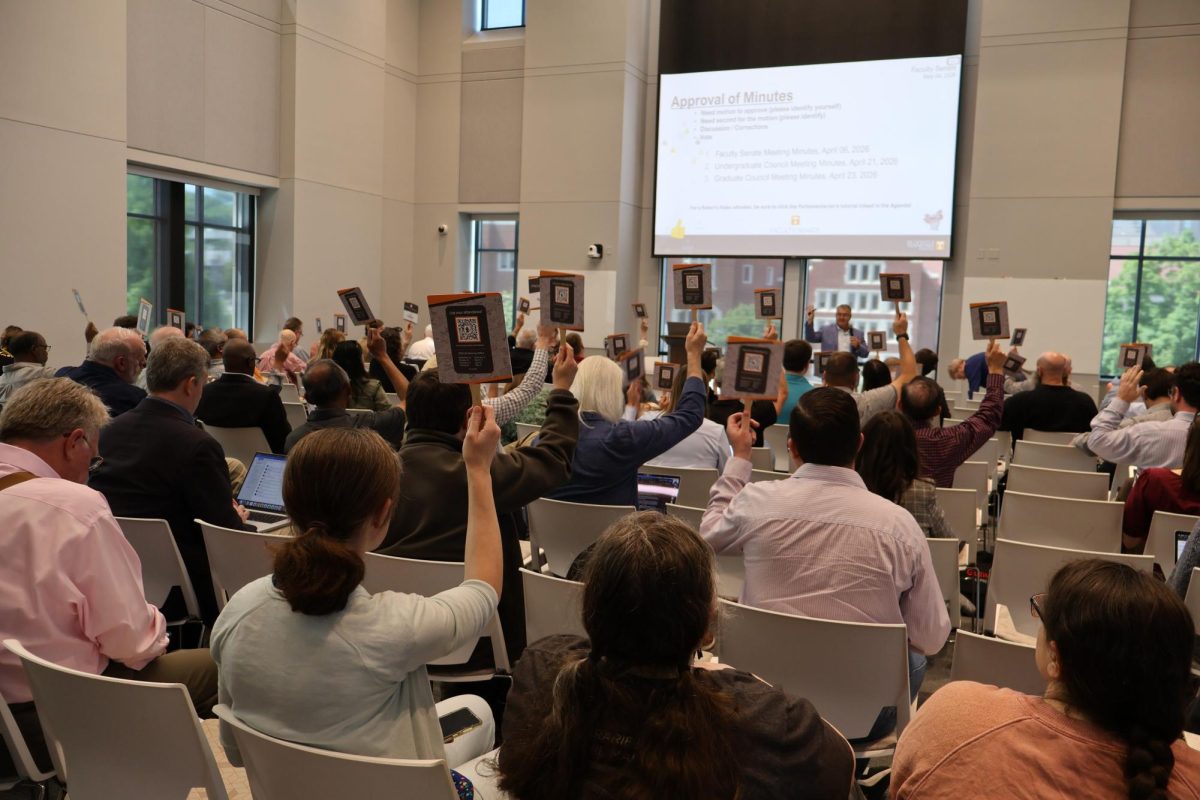
At UT’s Advisory Board Meeting on Feb. 2, Chancellor Donde Plowman reaffirmed the stance taken in her recent letter addressing allegations of NIL violations against UT and talked about growth, construction and future plans. Rather than focusing on the specifics of her letter, Plowman instead focused on the response from others. Having already called the allegations “procedurally flawed,” Plowman used the meeting to thank supporters who backed her cause.
“First of all, I just want to say to everyone two words: thank you,” Plowman said. “It has been so overwhelming and gratifying to see the support we have received. It’s just nonstop.”
Plowman cited support received from both internal and external avenues. Along with thanking students, faculty and staff, Plowman acknowledged support from elected officials in both Nashville and Washington D.C. and noted her priority to uphold the university’s reputation.
Another large point of discussion in Friday’s meeting was upcoming improvements for UT’s ever-expanding campus.
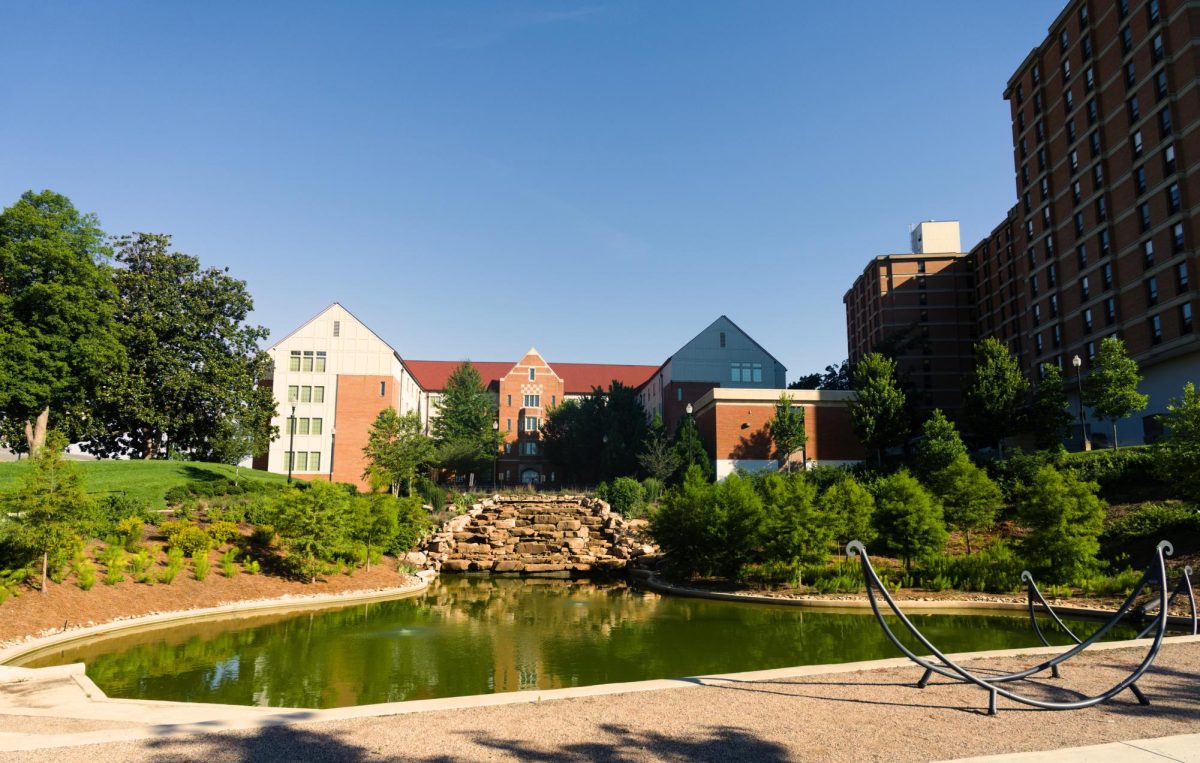
Senior Vice Chancellor for Finance and Administration Allen Bolton detailed Tennessee’s plans for several eight and nine-figure investments. Included was Regional Stormwater Park, which feeds irrigation from Andy Holt Avenue, will help manage stormwater and will open in the spring of 2024 for a total investment of $3.2 million.
Other projects include the Energy and Environmental Science Research Building, which is set for completion in the fall of 2025 for a total investment of $101 million, and the Croley Nursing Building is set for completion in the fall of 2025 for a total investment of $108 million.
Plans for new residence halls were discussed as well. One, set to be built on Andy Holt Avenue, is set to include 790 beds with construction costs of $78 million. Another hall on Caledonia Avenue will have 1028 beds and cost $131 million. Both are set to be completed in the spring of 2025. A third hall on Lake Loudon Boulevard will open a year later.
The Presidential Court Building, which housed a dining hall several years ago, is in plans to be redesigned and house a Center for Basic Needs.
The new Haslam Building, stilling in planning stages, is set to open in 2027 with Greve, Dunford and Henson halls beginning demolition soon. Off campus, the library storage building will house historic and precious texts.
Vice Chancellor for The Division of Student Life, Frank Cuevas weighed in on upcoming technology initiatives designed to refine student well-being. Improvements in student mental health and accessibility were heavily emphasized.
“We’re trying to utilize different technology resources by developing these online modules and investing in some pre-packaged products that will allow students to build a sense of resiliency, manage stress and manage anxiety,” Cuevas said.
In addition to these “proactive” student mental health measures, Cuevas also spoke on the use of note-taking AI to assist students with disabilities. The AI in question can record and transcribe a lecture in real time with no human note-taker required.
“They can become more effective note-takers. They can take that to every single class,” Cuevas said. “And it also gets the information to them more readily before having to wait that time delay.”
Cuevas discussed how in-person note-takers, while effective, often struggle to hone in on all the key points or catch everything a professor is saying. The crucial advantage associated with the AI note-taker is overall ease and practicality for students.
“What we’re finding is that our students who are using this service are finding that they are able to become more independent learners and grasp the concept of this tool, rather than if I had John provide notes for that particular class,” Cuevas said.
Plowman also noted the beginning of a digital learning unit that would improve online degree-earning.
Tyvi Small, the vice chancellor for Access and Engagement, talked about the unit and its priorities.
“How do we provide access to the institution, and then how do we support (underrepresented students) once they get here?” Small said.
Plowman drew attention to UT’s flagship schools and the importance of developing relationships with them so students can take advantage of programs that help with access.
The UT Advisory Board will meet again in May to approve various finances and changes to tuition.