On Sept. 19, Chancellor Donde Plowman and Provost John Zomchick sent an email to faculty regarding academic restructuring plans for the Howard H. Baker Jr. Center for Public Policy, School of Music and College of Arts and Sciences, along with the establishment of a new College for Interdisciplinary Programs.
The newest proposal is a pared down version of an earlier proposal which would have split the College of Arts and Sciences into smaller colleges. Faculty pushed back against that plan, which they said was not the best course of action.
The restructuring plan, which has been kept largely out of public view by administration for the past year, aims to accommodate the administration’s strategic vision and help to provide the resources needed for each program to thrive.
Plowman and Zomchick’s email announced a divisional plan for Arts and Sciences, which was proposed by Dean of the College of Arts and Sciences and psychology professor Theresa Lee and modeled after the structure of colleges at top-ranked flagships including the University of California, Berkeley, the University of North Carolina at Chapel Hill, the University of Virginia, the University of Georgia and the University of Michigan.
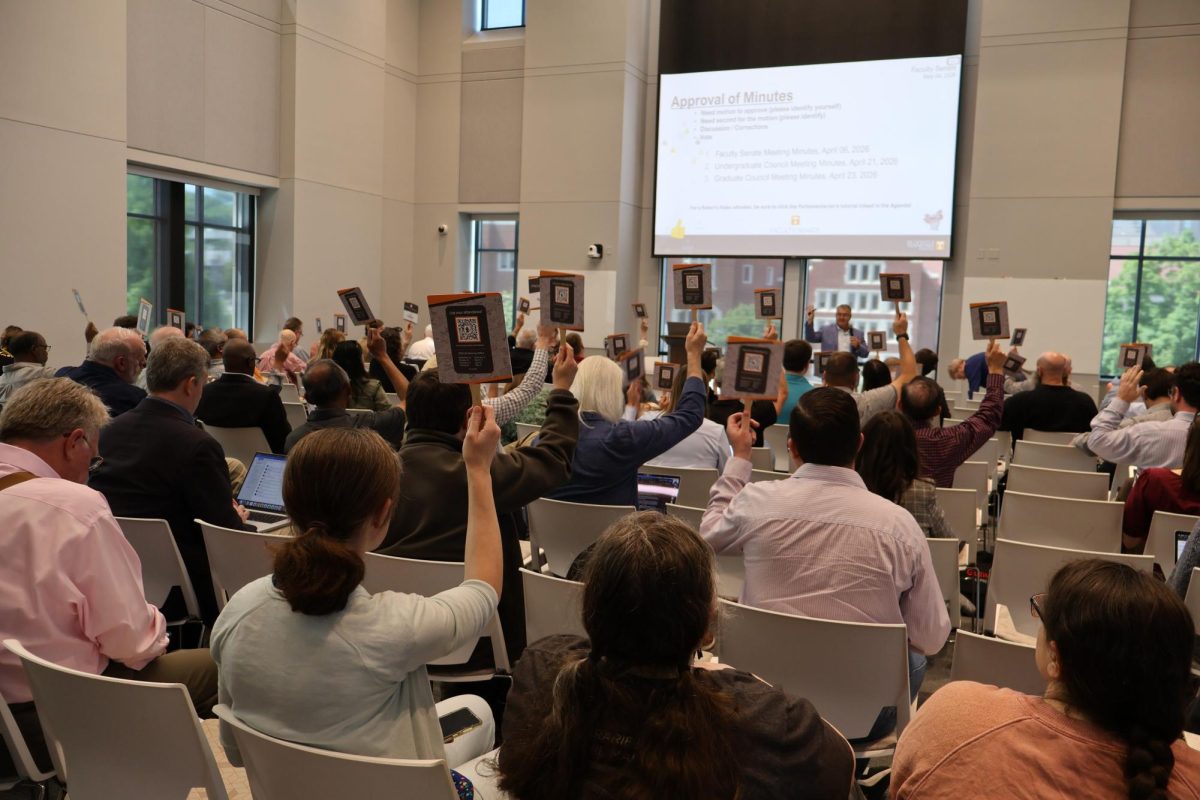
There will be a pilot of a new divisional structure within the College of Arts and Sciences that will be assessed two years after its implementation. The college will be divided into divisions of Arts and Humanities, Social Sciences and Natural Sciences and Mathematics, and each section will have its own dean that will report to the executive dean.
Zomchick and Plowman believe that the division will allow for better communication within each division, and will create better collaboration and accommodations among the college’s 700-plus faculty members.
“Our goal has been to make sure we have an academic structure that enables the success of our strategic vision, provides the best opportunity for disciplines and programs to thrive and ensures we have the resources and support to be successful in the quickly changing landscape of higher education,” Zomchick and Plowman said in the email.
The specifics have not been decided and many details remain unknown. The statement provides broad, loose ideas for an upcoming presentation to the Board of Trustees in February. However, there are several issues that are definitive focuses of the restructuring.
Campus administrators see a definite need for a separate Baker school or college for public policy with a similar focus to the existing Baker Center. UT officials believe that the addition of degree programs will allow for both public policy and public administration professionals to be active in the proposed college. The college would also house the new Institute for American Civics.
A new college has been proposed to house and support interdisciplinary programs that do not fit in existing campus structures, such as data science and global development.
According to the statement, there is also a strong push among department heads for the School of Music to become independent from the College of Arts and Sciences.
While some minor facts are known about the restructuring, Misty Anderson, English department head and professor, feels that she does not have enough information to know what the big picture changes will look like. She explained the lack of clarity she sees in the model.
“The School of Music seems to want its own path, but motives for the rest are less clear. It’s hard to understand the real costs or benefits given the new budget model, which has a lot of ambiguous charges for the colleges,” Anderson said.
Since The Daily Beacon published news of the academic restructuring proposal in June, students and faculty have felt blindsided by the proposed changes.
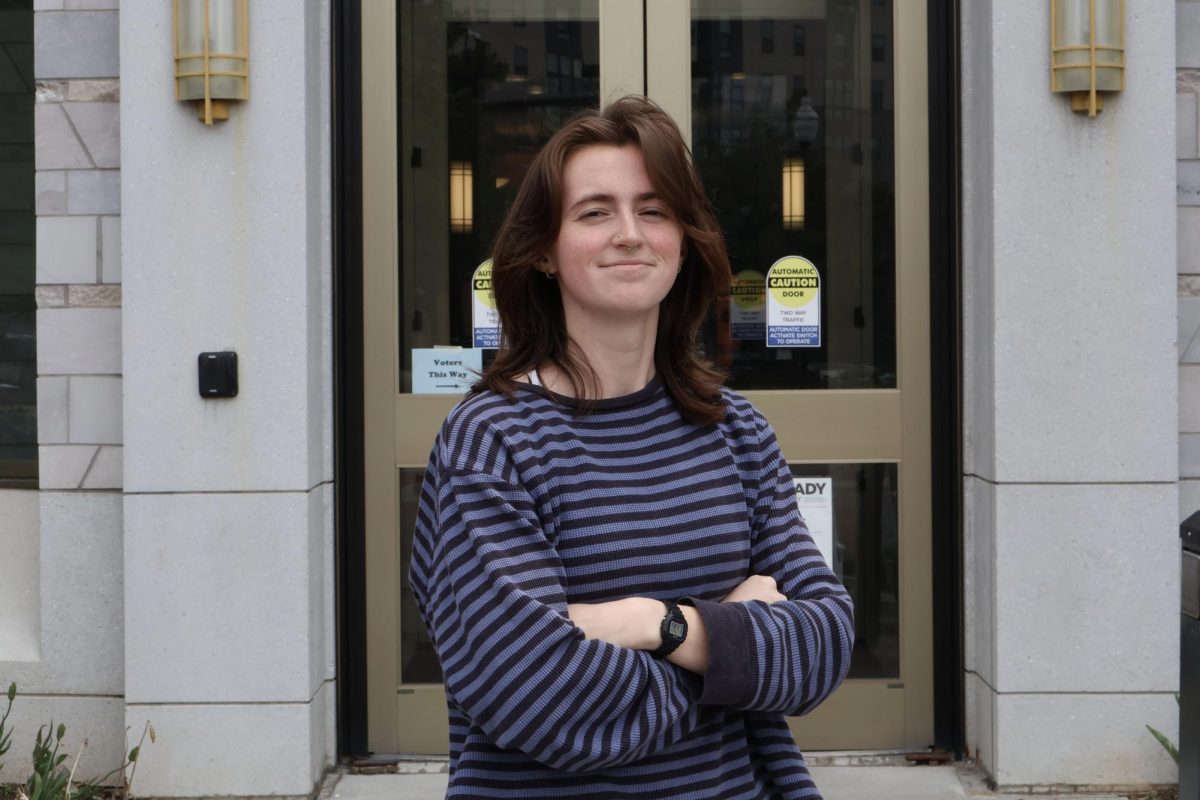
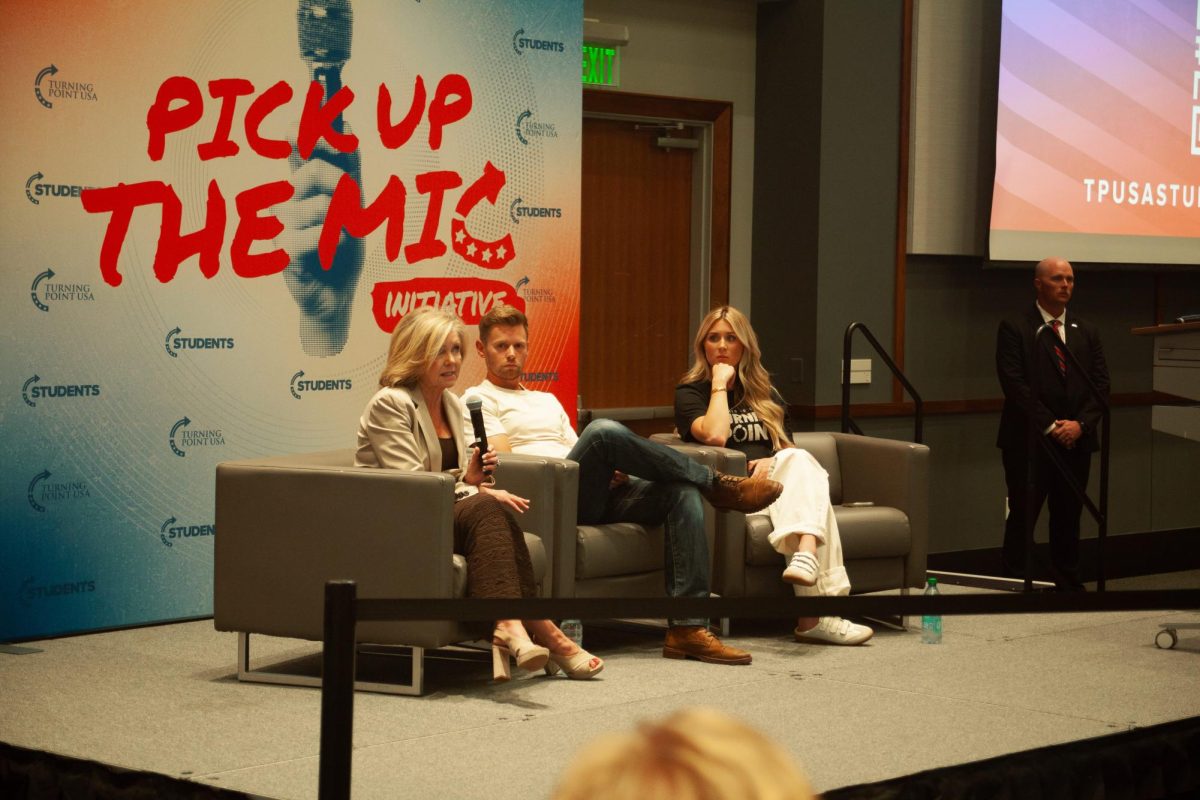
Riley Speas, an Arts and Sciences senator in the Student Government Association (SGA) and sophomore geography and global studies major, explained her frustration with the lack of information given to students and faculty about the plans.
“I was really shocked. It felt like I was slapped in the face. As a student, I had no idea it was even happening. It was frustrating because this affects so many students … If a major part of my academic career is being affected, I feel like I should have some sort of role in it,” Speas said.
SGA has not played a role in developing the proposed changes. Speas also believes that students and faculty members have not been adequately represented in the decision-making process.
“Separating hard sciences from social sciences doesn’t make sense to me because everything is so deeply ingrained together … The new Vol Core gen eds are trying to emphasize liberal arts and create a more well-rounded general education program. It is counterintuitive almost,” Speas said.
The current plan is not interested in splitting the College of Arts and Sciences into individual colleges, but rather proposes a three-division separation under the single college.
Anderson shared Speas’ concerns about how the division of core requirements could lead to a more limited education.
“I’m concerned that we’ll put even more pressure on students to pick majors before they know about the possible paths. One of the great things about Colleges of Arts and Sciences is that they give students time to find their focus while integrating ideas from across the core fields of knowledge,” Anderson said.
Anderson does not want students to lose the traditional exploration that they receive from the core curriculum within the College of Arts and Sciences. She believes that the proposed division could work well, but maintaining a united College of Arts and Sciences is crucial to maintaining the curiosity that students experience while discovering their field of interest.
Anderson sees a public research university as a place where everyone should be able to get a broad education without accumulating abundant loans. She explained her disagreement with UT’s administrative development plans.
“I believe we should invest in more full-time professors, not more managers and administrative structures … My focus is on smaller classes, fair wages and a vibrant, engaged community. The people of Tennessee deserve to have a public research university where they can have all of that without going into debt,” Anderson said.
“I think they still can, but we have to invest in the core, not the superstructure.”
All proposed changes will be presented before the UT Board of Trustees and decided on in February 2023.