University of Tennessee health experts caution Tennesseans that this year’s influenza season is of higher concern than previous years.
“Flu rates are high in Tennessee and across the southeast this fall, and the campus is no exception,” Carman North, Campus Health Surveillance Coordinator, said in a public statement.
The flu is a contagious respiratory illness caused by Influenza viruses. Flu season is typically seen during the cold winter months. In early March 2020, Tennessee reported 2,433 influenza illnesses, compared to October 2022, in which Tennessee had 3,239 patients with the illness.
“Flu season is expected to be more severe this year as we are already seeing cases of other respiratory viruses on the rise,” Soghra Jarvandi, a UT Extension community health specialist and associate professor of public health, said.
This year’s cases of influenza are 860 patients higher than the 2020 year. The colder the months get, the worse the virus spreads. Consequently, influenza has the ability to take a loved one away or hospitalize them.
“The amount of respiratory infection we see on campus right now isn’t higher than what we typically see during our peaks. It feels like a lot, though, because during the pandemic we actually saw an unusually low amount of respiratory illness,” North said.
In Tennessee, influenza is the ninth leading cause of death. The flu’s high ranking on this scale is one of the reasons why precautions must be taken to provide safety for the community. Tennesseans are encouraged to ensure their safety by washing their hands, staying home if ill and getting a flu shot at their local pharmacy.
The COVID-19 pandemic decreased influenza illness due to the precautions associated with the pandemic. The precautions manipulated the spread of other illnesses, causing the spread of the flu to decrease from years prior to COVID-19.
As precautions such as masks and social distancing ease, cases of the flu are beginning to rise.
Anyone can be affected by the flu, although some populations are at a higher risk of complications during their illness.
“Children younger than five years old, adults 65 and over, adults with chronic conditions, pregnant women, people with disabilities, people with HIV/AIDS and people who have cancer are all at an elevated risk of severe illness,’’ Jarvandi said.
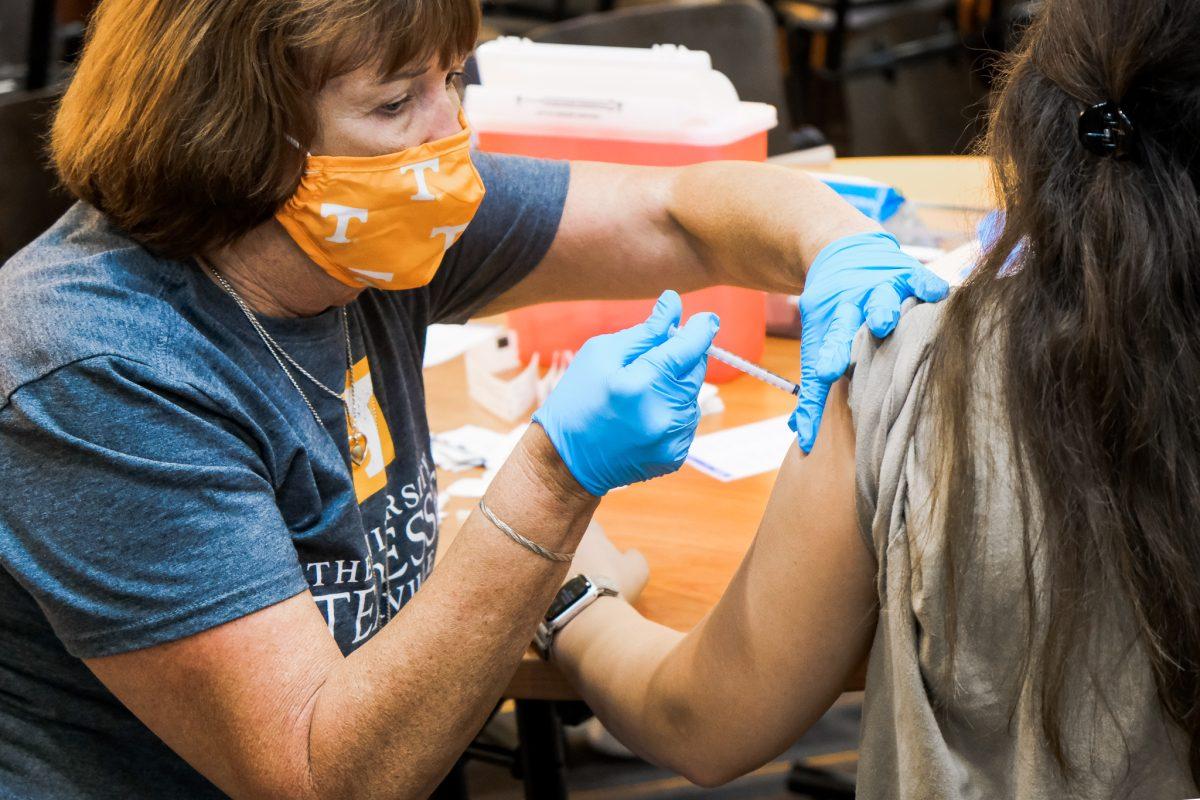
One of the easiest ways to prevent the flu is to be vaccinated yearly for the virus. Tennesseans can get their flu shot at their local pharmacy. There are also options available for individuals who do not have access to medical insurance.
“Thanks to a partnership with the Tennessee Department of Health, we are able to offer flu vaccine for free this fall, so if you’re worried about cost, we’ve got you covered,” North said.
Medical experts such as Jarvandi suggest that everyone get a yearly flu vaccine.
“Anyone six months or older should get an annual flu vaccine, with rare exception. Vaccination is essential for people at high risk for serious complications from the flu,” Jarvandi said.
Other precautions can be taken for those who decide not to get the vaccine. Experts encourage regular hand washing, staying inside if you are sick, wearing a mask if you must leave your house with the illness, eating nutritious foods and exercising regularly to help fight off the flu.
The Student Health Center has launched a new support form to help prevent the spread of illness and provide accommodations for students who have concerns about missing an academic class.
“We have also launched the Health and Illness Support Form to support students who need to miss class for any illness or injury-related reason. Flu is most contagious in the first few days after symptoms start, and we want to make it easier for students to work with their instructors to stay home when they’re sick,” North said.
“I went to the Student Health Center and was able to get antibiotics that helped tremendously and my visit allowed me five days of recovery from the flu,” Abigail Mcreynolds, a sophomore neuroscience major, said.
To ensure the health and safety of all Tennessee residents, physicians encourage citizens to take precautions during the flu season this year. The more precautions Tennessee citizens can take, the more the spread will be decreased throughout the flu season.