Her iconic handbags were not what made her famous. Her tweed jackets, which still rock the fashion world, were unknown at the time. The famous double C’s were but a future design decision to be made.
None of this was established when Coco Chanel first started working in the fashion industry. Chanel started her career as a milliner, designing hats for women in high society in Paris in the early 20th century.
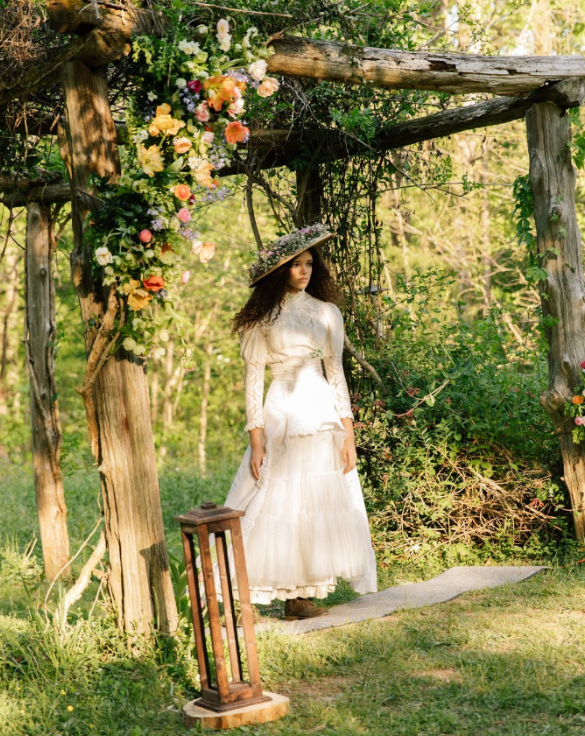
At the time, hats were such a basic style staple that every respectable woman wore them as an accessory to her ensemble. The hats Chanel created were different and stood out at the time, which is why women across Europe soon went to her for their toppers. From wide brimmed black hats to white ones donned with black feathers pointing directly towards the sky, Chanel’s millinery license, received in 1910, led to her popularity in the fashion industry.
Just three years later, she launched her eventual clothing line.
Coco Chanel’s story is one for the books and one for the hats. Chanel began her long-lasting, fearless career by designing, of all things, hats. Not handbags, not shoes and not even clothing but hats. At the time of her career, hats were a major part of fashion, and since then have declined in importance, much like skirts that cover ankles and corsets to define waists.
The fashion industry has modernized since Chanel’s career, and corsets and hats have been pushed aside in favor of organza evening gowns and tailored suits for women. Although, they may have been pushed aside, hats have never been forgotten. With recent trends capitalizing on floppy versions and the classic bowler hat, accessorizing with a hat has never been as popular since the accessory became a rarity on runways.
The first to adapt to the trend are bloggers.
Kristina Bazan, author and subject of the fashion blog Kayture, can often be found in a hat, using it to not only amplify her look but also have fun with her style. From a burgundy floppy hat to a black one with gold embellishment, Bazan reaches for hats that align with her ensemble and add an effortless cool effect with every look she wears.
Hats are mostly utilized for fall/winter collections when considering their appearances on runways. While women in France used to wear them year-round in Chanel’s day, it’s more common now to find designers outfitting models with hats in their colder collections. Hats not only provide warmth and comfort from cold temperatures, they also add a bit of edge and mystery to the wearer, which is perfectly exemplified in Cushnie et Och’s fall 2014 collection.
Seasoned model Karolína Kurková began the show in a beautiful little black dress, but that’s not all; along with tight black booties reaching her shins, she wore a pure black cowboy hat. Unexpected, fun, cool and extremely chic, the hat became a talking point and a show stealer which put the show on the fashion map.
A major headline this year revolved around one man’s accessorizing: Pharrell Williams’ hat. The hat, a tall, cream-colored, deformed hat, had a Twitter account briefly after its debut at the 2014 Grammy Awards and caused plenty of talk from red carpet critics. Yet, talk aside, the hat caught people’s attention and certainly made Pharrell a subject of style and fashion as it went so well against his laid back look for the awards show. Imagine his ensemble without the hat: red track jacket and blue jeans. What’s special about that? Pharrell and every fashion savvy person know the hat made that look work.
From Chanel to Pharrell, the impact of hats on style and fashion is indisputable. They once were a fashion staple; now, they are curiously fascinating and amazingly cool in every setting, time and event. Accessories are major parts of everyone’s wardrobe from bags to jewelry to shoes.
But hats, even though so often overlooked, provide an air of style that’s impossible to deny.
Melodi Erdogan is a senior in journalism and electronic media. She can be reached at [email protected].