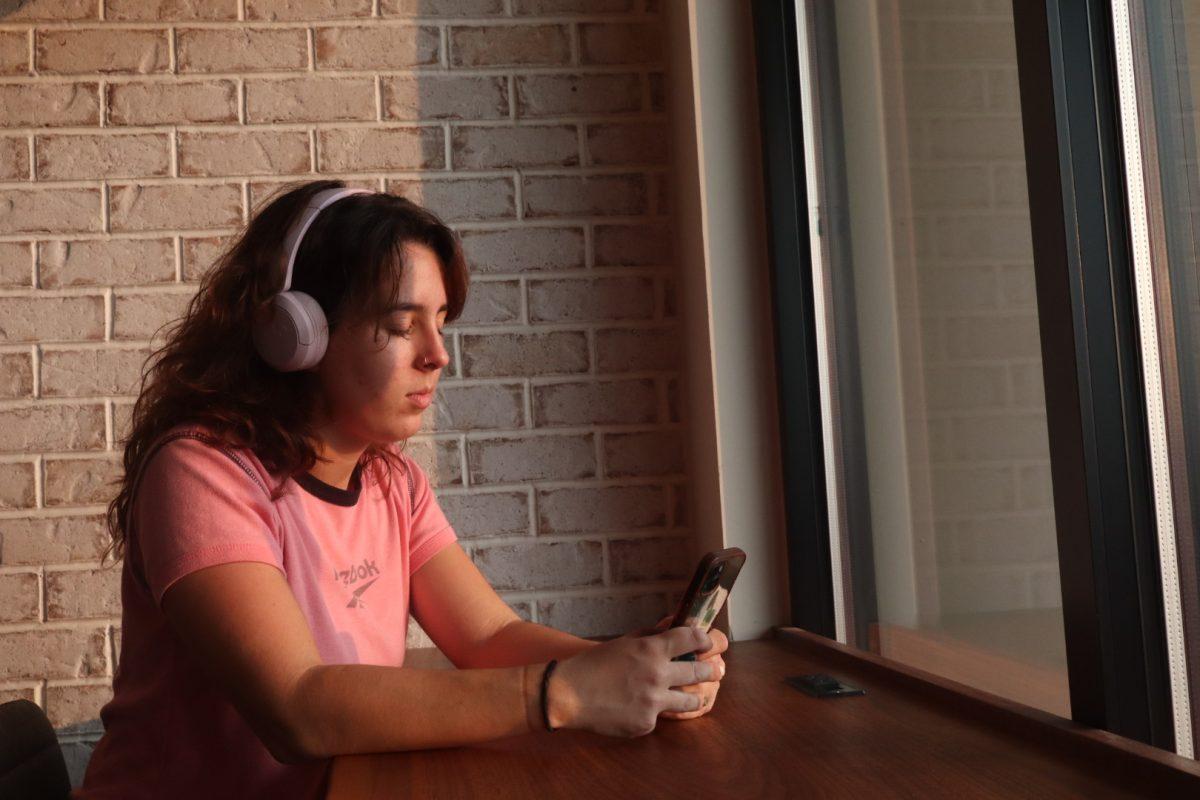
“Music absolutely can change lives, and certain pieces have changed the way that I have even viewed myself,” Cannon Murphree, a freshman studying nuclear engineering, said.
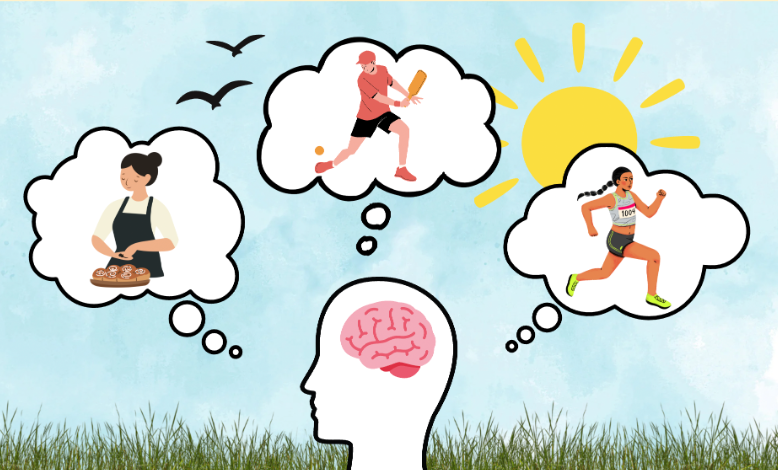
Music is one of the few things that activates the entire brain. Whether you are listening to hard-core rock or cozy melodies, music releases endorphins that positively affect your mood.
Maria Farmer, a junior majoring in cinema studies, explained how music stimulates her past memories, an experience called music-evoked autobiographical memory.
“Just think about the time when you experienced one of the best nights of your life, then think about the music that was playing that night,” Farmer said. “If you listen to that same music again, it’s like you’re revisiting that moment in your life. … You can place a cloak or armor on yourself and take on the world, all with the power of a song.”
Music serves as a different therapeutic outlet for individuals. When Murphree endures a difficult time, he takes a moment to listen to Samuel Barber’s “Adagio for Strings.”
“That piece has a way to my ears that I can attribute anything to, whether it’s anxiety flowing away or a toxic person in my life. Music like that can be like therapy to me because it allows me a strong way to visualize,” Murphree said.
Farmer stated that she is not “a big crier,” but acknowledged we all need a good cry to release tension and endorphins.
“I can definitely tell a shift in my emotions if I play a specific song and start to cry, but sometimes I need a boost in bravery or motivation, and I will listen to a rap song to psyche myself up and become energized,” Farmer said.
The impact of music comes not just from listening but also from playing. Mackenzie Jeffries, a freshman music education major, is in the UT Pride of the Southland Marching Band.
“When I learned about being a band director and started doing marching band, that’s what made me want to pursue music as a career,” Jeffries said. “I think what keeps me going even on my tough days is I know the reward I’ll get later when I help my future students love music the same way my teachers helped me love music. Being able to pass on my passion really inspires me.”
Jeffries plays the flute and piccolo. When she uses these instruments, she feels happy and grounded, even if playing sometimes frustrates her.
“When I’m playing my flute in the practice room, or when I’m marching the Power T down the field in Neyland, everything else fades,” Jeffries said. “For that little bit of time, I have no issues, no stress, no problems. I’m just me, my instrument and my music.”
Murphree holds a deep and emotional connection to music — he appreciates music that is meaningful and allows him to drift into a world away from his own. He connects with the dissonance and consonance of music more than the lyrics.
He relishes the artist Jacob Collier, whose music includes “interesting textural and complex elements.”
Farmer recently began listening to King Princess, a younger artist who advocates for mental health issues. Before college, Farmer listened to rock and rap but shifted to classical music around freshman year.
“I started listening to classical music every morning while getting ready and while driving on my way to campus. … Classical music calms me before I’m met with the rush of UT campus,” Farmer said.
Farmer’s shift to classical music also follows the “Mozart effect” — if one listens to classical music for about 10 minutes before an exam, they may get three more points as classical music “boosts spatial-temporal reasoning.”
Harriet Nekesa, a sophomore majoring in recreational therapy, often listens to music while completing homework. Artists who help her focus include Harmonize, Sam Smith and NF.
Music fosters a sense of community and belonging. As Farmer says, it creates shared emotional experiences and acts as a “universal language and strengthens the community.”
Nekesa added that music helps people express their identity. Music is deeply intertwined with people’s values and reflects their origins.
“Listening to music can bring people together because music is a natural thing that no matter who or what you are, you have a part of,” Murphree said. “Everyone has a voice that counts as an instrument, and everyone can feel tension and release.”