Judging by the turnout for Adam Davidson’s lecture on Tuesday evening, what you have heard is true: Americans are concerned about the economy.
Recognizing this interest, the Issues Committee brought Davidson to campus to discuss the approaching fiscal cliff.
“To be honest with you, I hate talking about the fiscal cliff … ,” Davidson said. “It’s a ginned up mistake; it’s an act of political theater … We do face some fundamental questions about debt and the government’s role in our society: those are real issues.”
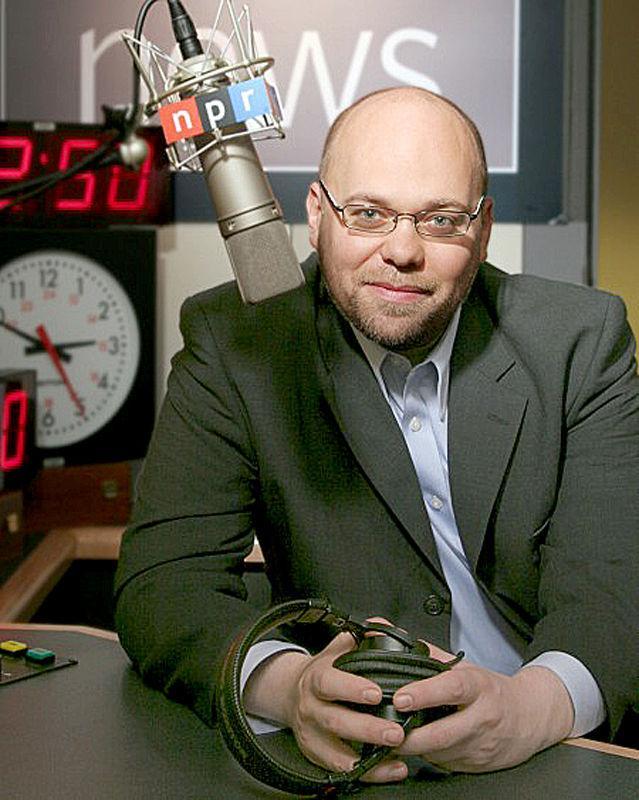
Davidson hosts “Planet Money,” a podcast devoted to analyzing economic issues in an accessible way. He also contributes a column to the New York Times Magazine devoted to discussing pressing economic issues.
“It’s something that people without an economics degree can understand,” Sarah Lucas, senior in deaf education, said of Davidson’s program in her introduction.
Davidson believes that the next four years will be a pivotal period in economic history.
“We still have a financial system that’s on life support,” Davidson said. “The fiscal cliff has some clear, short-term, real danger. If Europe and the rest of the world were not in a mess already, we would expect the world’s investors would already be taking their money out of the US economy and putting it elsewhere. But because we are the least bad choice for global investors … , we are not having the flight of that capital from the U.S.”
Congress will help dictate which course the U.S. takes moving forward.
“When they decided to put off raising the debt ceiling, they put in place this threat that if you don’t resolve this by 2012 there are going to be deep military and domestic spending cuts. Right now we have an unusual mix of severe risks in the global economy. China may or may not be in the middle of a severe slowdown. …Europe may or may not be in the middle of an economic break up … it’s an ugly and confusing mix. …You don’t want Congress creating artificial deadlines for the future.”
Davidson is not optimistic about the fiscal cliff’s resolution.
“Most people believe it will be resolved in a ‘kick the can down the road’ kind of way,” Davidson said. “The big decision in 2013 is the question about how we will address our debt and tax future. Greece has a November 2012 problem, we have a 15-20 year problem. We will have a problem if we don’t start addressing things soon.”
Despite the need for eventual debt reduction, Davidson is not alarmed about America’s present situation.
“As a general rule, governments can carry a fair amount of debt,” Davidson said. “Generally, a government can hold a large amount of debt practically forever. Debt is a very manageable thing up until around 90 percent debt of GDP. You reach a point where really scary things start to happen. People get nervous around 90 percent of GDP.”
Davidson believes that America must foster growth in learning to overcome its economic challenges.
“Economic growth was fueled by education … ,” Davidson said. “All we need is for our elected officials to jump on board and be reasonable, so it’s obviously not going to happen.”