No more Chick-fil-A sandwiches or Evolve sunglasses to look forward to during SGA campaigns this year. The donations end now.
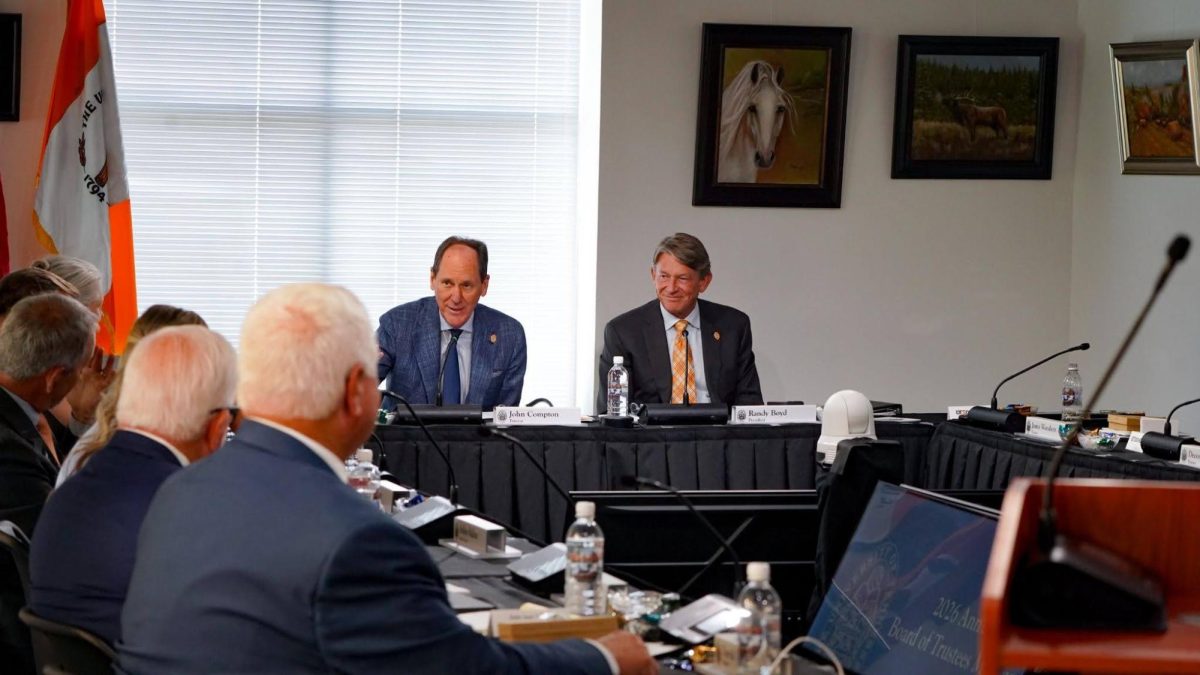
SGA kick-started the year Tuesday night with a discussion about election finances in what proved to be a heated first meeting about how to better use campaign funds to connect with students.
After a brief discussion and passage of a bill limiting the SGA Senate to 60 members beginning next year, the Election Committee presented the 2015 SGA Election Packet. While many of the passages remain the same as in previous years, the committee made several significant changes to the spending budget, sparking a debate that lasted for more than an hour.
The packet stated that political parties would be limited to a $5,000 spending limit, independent parties to a $1,000 spending limit and individual senators to a $150 spending limit. The point of contention was the restriction of non-monetary donations in the overall spending limits.
Katelyn Hadder, member of the election commission, defended the changes, stating that by focusing less on acquiring non-monetary donations from businesses, the senators should focus more on connecting with students.
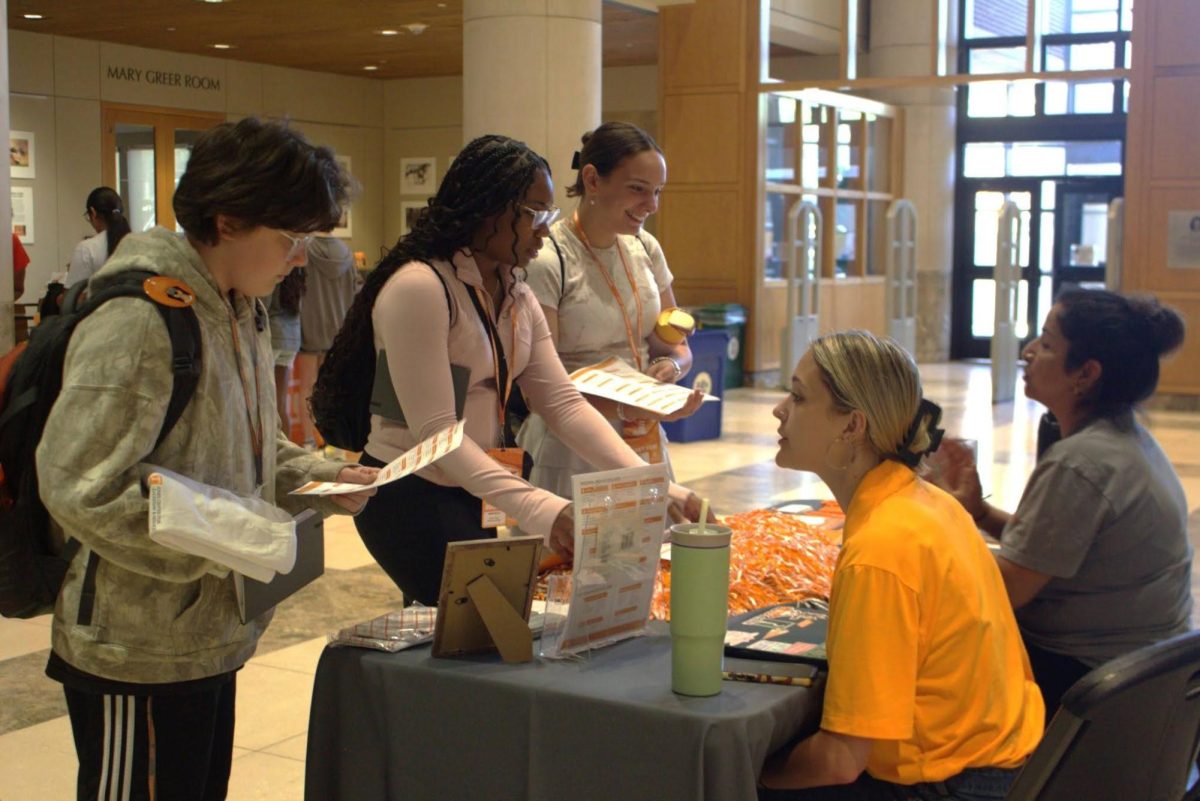
“We see people walk up and down pedestrian and grab a free sandwich, but they still don’t know anything about SGA,” Hadder said. “We want to take the focus of this week away from just giving out free things and turn it into a time when students actually meet the candidates.”
Greg Butcher, a member of SGA senate, countered by stating that restricting non-monetary donations would not necessarily achieve the outcome the committee is striving towards.
“There really isn’t another time to meet voters other than campaign week,” Butcher said. “The time you put in to get the donations happens long before you get to speak to the voters.”
Butcher promptly proposed an amendment that would keep the monetary spending cap at $5,000 while allowing campaigns an unlimited amount of non-monetary donations. The amendment did not pass, and the elections packet passed as it was originally printed with 43 for, 14 against and three abstaining.
Election days will take place from March 31 to April 1, with the results posted on April 2. The SGA campaigns will be permitted to begin campaigning the week prior, and the official ballot will be posted on March 23.
In addition to a discussion of election regulations, Mathew Theriot, associate professor in the College of Social Work, gave a brief presentation about UT’s new Quality Enhancement Plan, that will be presented when UT is up for re-accreditation in April.
“The accreditation is important because it makes your degree worth more than the paper it is printed on,” Theriot explained.
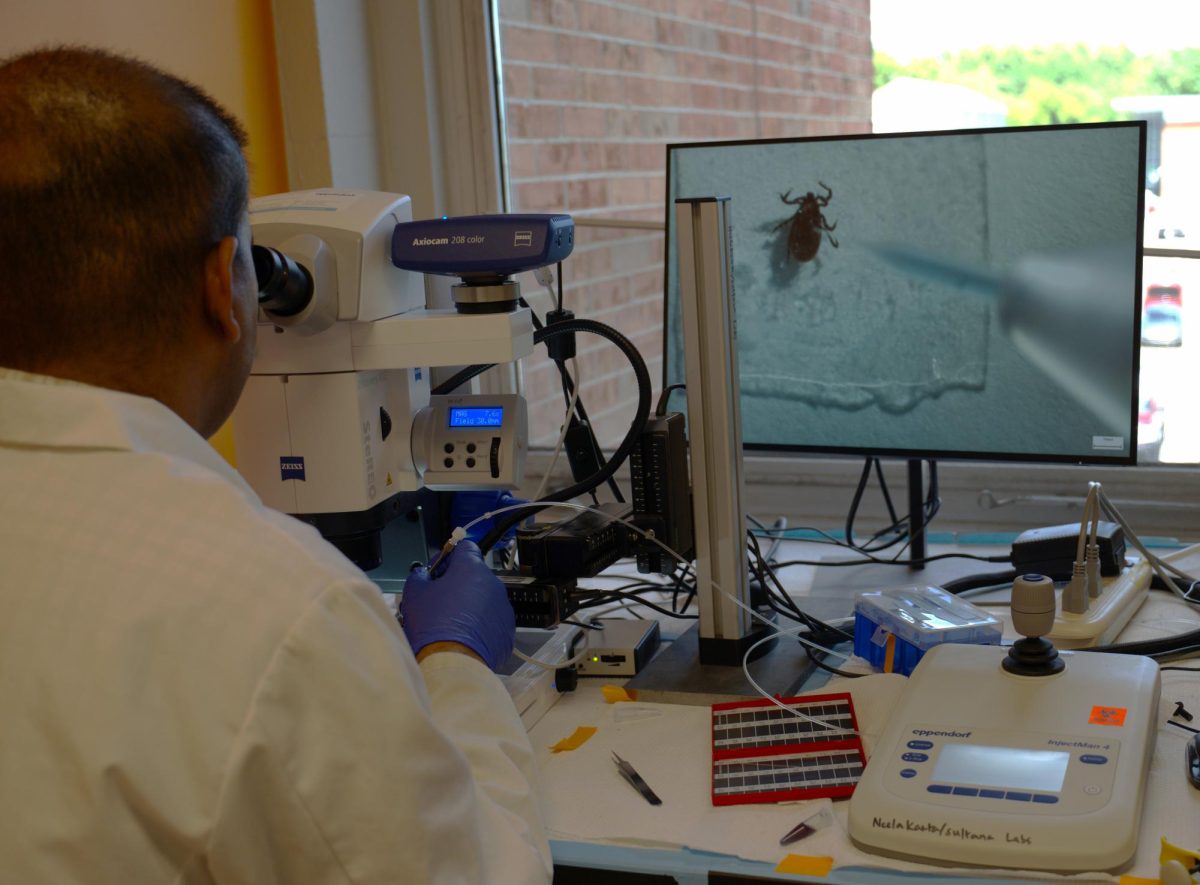
In order to remain an accredited university, UT will implement the Experience Learning Program, which will push for more programs in every department that engages student in hands-on experiential learning, whether that constitutes lab work, internships or even field trips to witness the information students are learning in class used in applicable real world settings. The program is scheduled to be implemented campus-wide in the Fall 2015 semester.
“What we’re really talking about is getting students out of their seats and away from their desks and just getting them more active and engaged in the learning process,” Theriot said.