If you’ve never seen a harmonica solo, you haven’t fully experienced rock music yet.
Blues Traveler came on the scene in 1987, but hit mainstream popularity in the mid-1990’s with their chart topping album “Four.” Throughout the late 90s, the band made their name as the new nonstop touring live band, reincarnating the jam band culture from days of yore.
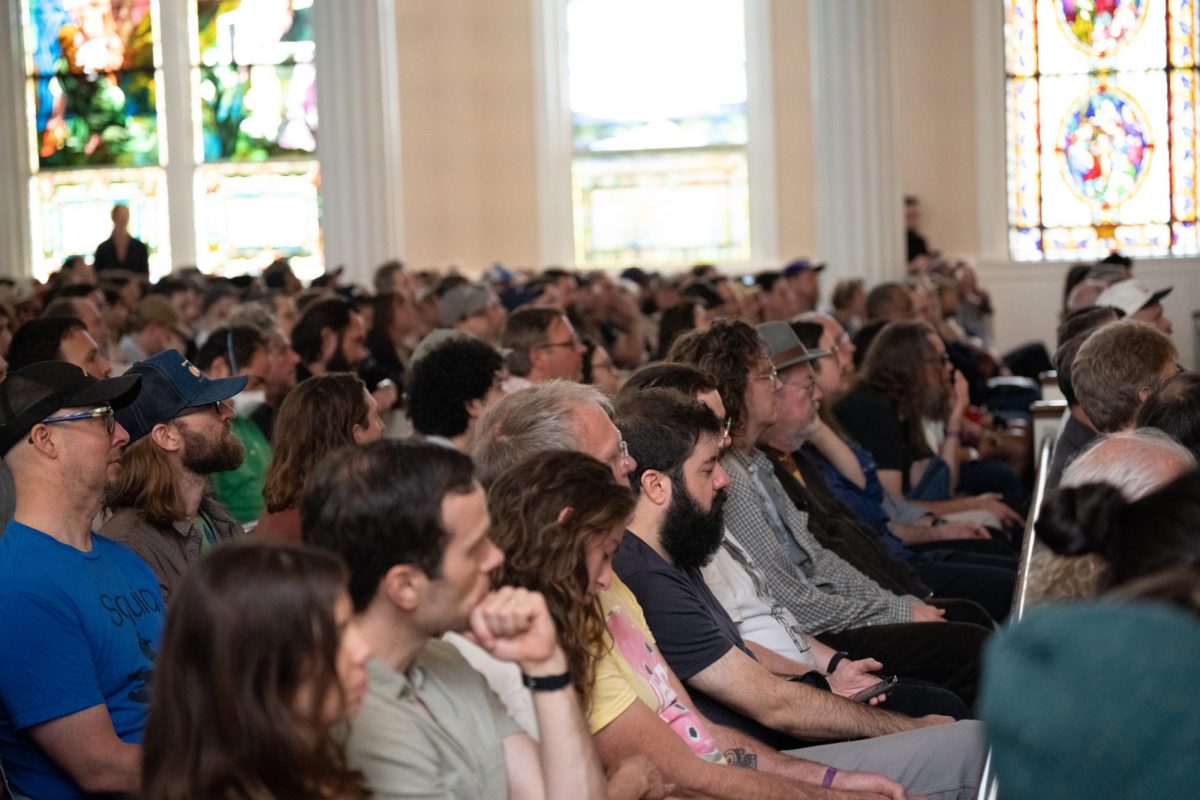
To assume after their pop culture peak and subsequent fall that Blues Traveler lost their touch would be a huge misconception. This past Sunday night at the Bijou Theater, Blues Traveler brought out more energy and enthusiasm from a crowd of all ages than any other concert I’ve attended.
Before the show, drummer Brendan Hill described how the band has stayed timeless.
“We learned how to play shows different every night — kind of reminiscent of the Grateful Dead and other iconic bands that would change their set every night and improvise so that every show you went to was different,” Hill said.
In order to improvise that successfully and consistently, musicians msut be masters of their instrument of choice. Fortunately, each member of Blues Traveler played with ease and confidence on stage, proving that truly good bands only improve with age.
They opened the show with an altered Charlie Daniels’ classic: “The Devil Went Down To Knoxville.” Lead singer John Popper played the fiddle portion on his harmonica. Mid-way through the song, the band utilized the first of many segues to transition into their own material.
Improvisational solos were used frequently throughout the performance, but they never felt over the top or too showy. The band was just enjoying playing around with their music, and their enthusiasm made the crowd have fun with them.
After 15 minutes of continuous playing, the crowd’s energy really started to pick up. When the band segued into their hit “Run-Around,” the audience was out of their seats and many rushed toward the stage. Security quickly stepped in to cut off the crowd and stood as a barrier in the aisle for the remainder of the show.
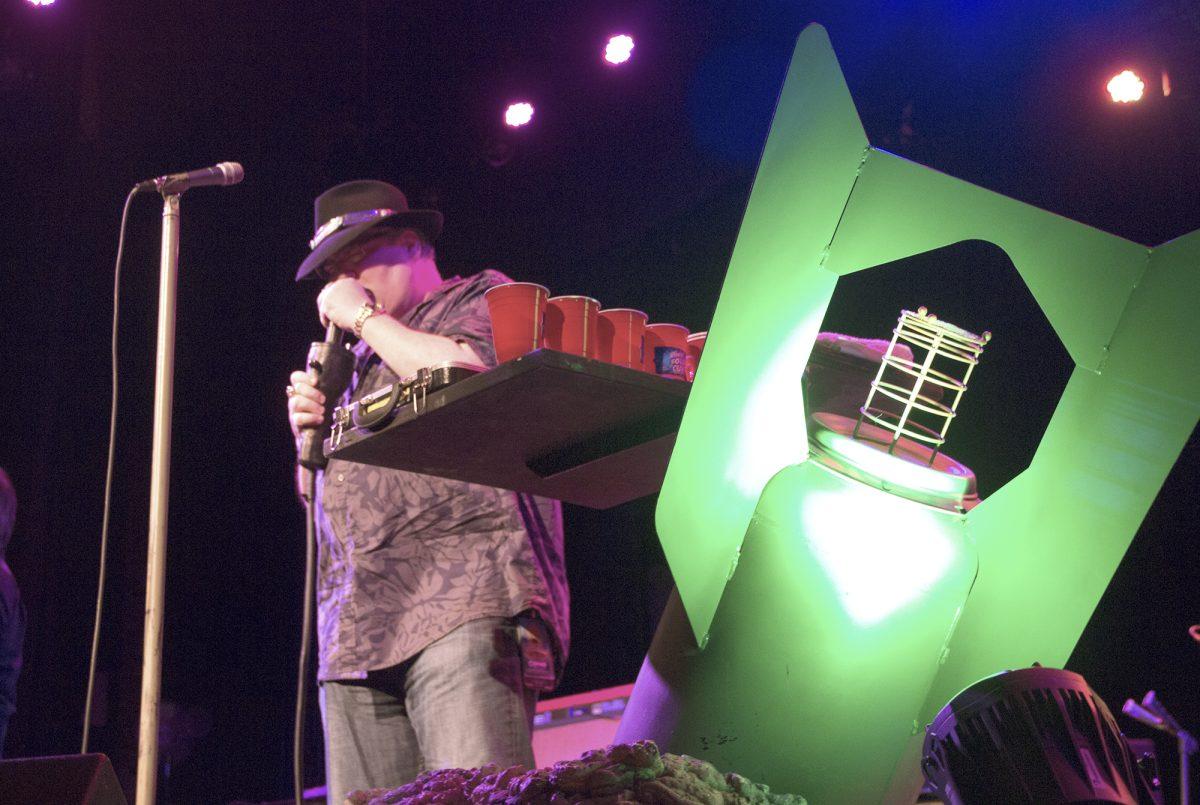
However, nothing could kill the mood in the theater. After almost 30 minutes of continuous music, the band paused and Popper toasted the crowd before taking a sip from his solo cup on stage.
After a brief respite from the constant jam session, the band was back at it. Keyboardist Ben Wilson started the second set by stepping out from the keyboard and taking center stage for a keytar solo.
Wilson brought the crowd to life by running with his instrument along the edge of the stage and letting onlookers play. He ended on the ground playing the keytar with both hands before tossing it to the side of the stage.
Blues Traveler had more than one surprise in store though, and after a few minutes of instrumental improv, Popper sang the opening lines to “Creep” by Radiohead. This unexpected cover of their fellow iconic 90s band fit surprisingly well into Blues Traveler’s sound.
After several more songs, the band took their second full pause in music, and when Popper spotted a couple holding a cardboard sign above a young girl in the front row, he sang happy birthday to their 10-year-old granddaughter.
The grandfather tried to lift the birthday girl up on stage but Popper playfully called him out.
“She’s trying to have a normal birthday and her parents are trying to put her on stage like she’s supposed to do a dance or something,” Popper said. “My parents did that to me and that’s how I ended up here.”
Blues Traveler ended their official set with another popular hit, “Hook,” before leaving the stage briefly. The crowd called the band back for an encore and Popper gave a second toast calling out, “Knoxville is constantly amazing. We love you here.”
After playing a song off of their newest album, the band segued back into “The Devil Went Down To Georgia,” picking up right where they had ended at the start of the performance. This was a clever end to the show that captured Blues Traveler’s ability to form continuity and connection throughout their performances from start to finish.

Blues Traveler is famous for its jam-rock success in the 90's.