With Chinese university systems struggling to accommodate the growing number of college applicants, more than 400,000 Chinese youths study abroad every year, according to a Forbes article by Doug Bandow.
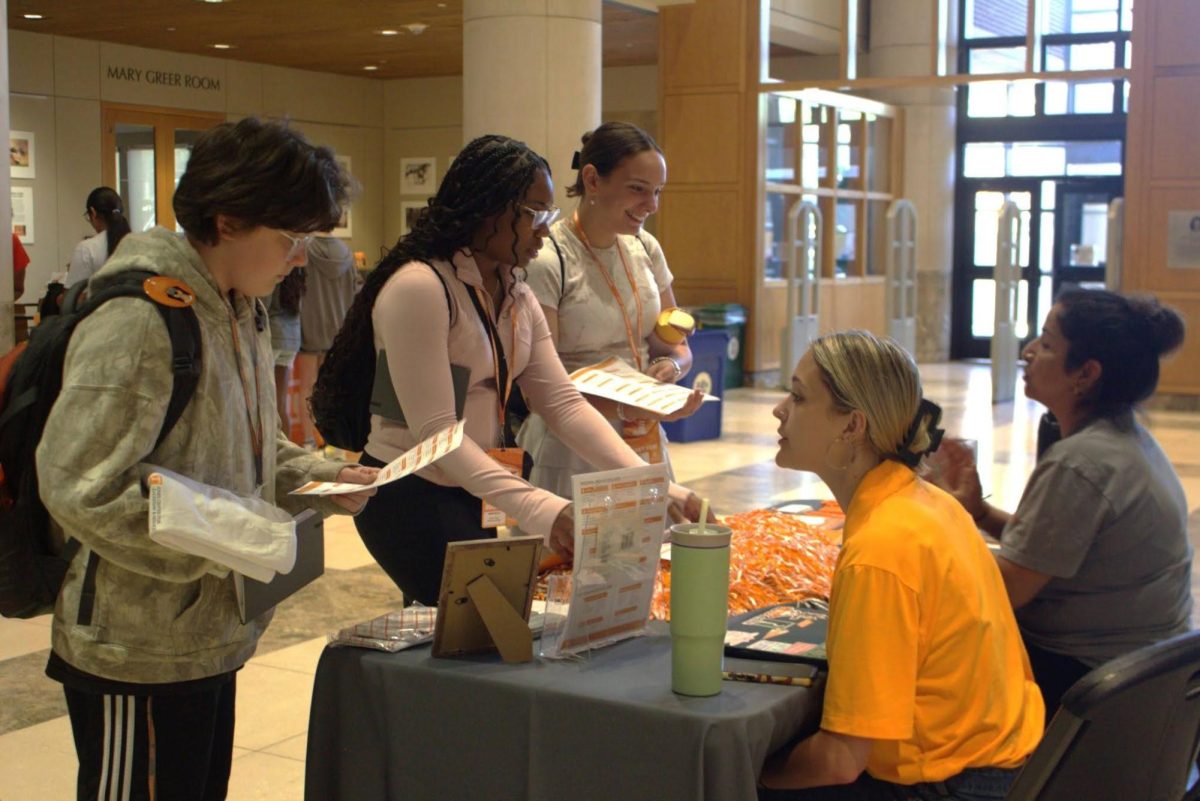
Right now at UT, there are more than 400 Chinese international students.
Looking around campus, you’ll see Chinese international students blending in with the daily routines of the university, eager to pursue an education increasingly more valuable in their home country.
Ruiyang Chen, a sophomore in journalism and Shanghai native, said Chinese culture is evolving. It is the second largest economy in the world and quickly becoming one of the planet’s fastest growing consumer markets.
In many ways, Chen epitomizes the new face of the Chinese population.
Rather than pursuing a career in business, Chen said he hopes to one day become a soccer commentator, a sport that has just recently grown popular in his home country.
“(The Chinese population) just got enough money to feed ourselves,” Chen said, explaining that sports and recreation have just recently become an option for employment. “Now we have enough money, now we’re starting to care about life quality.”
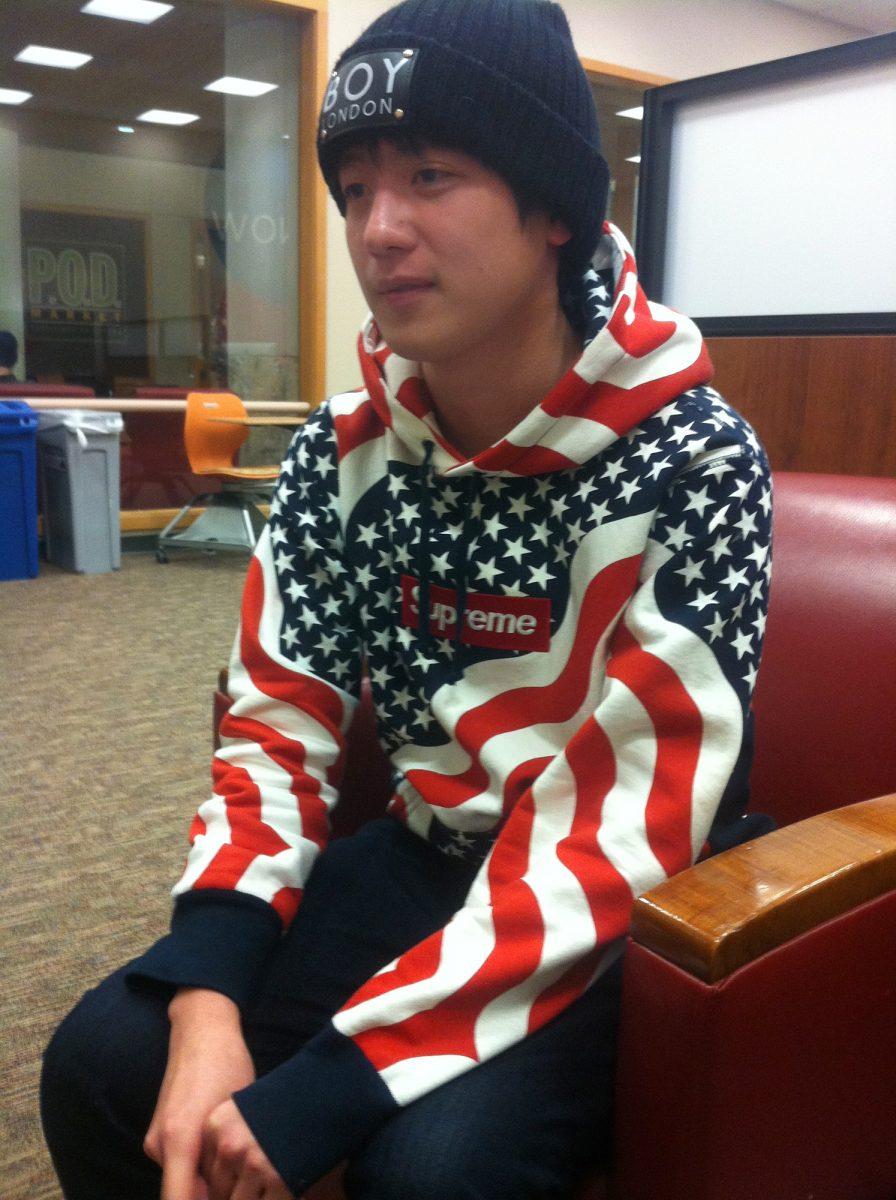
For Andrew Yu, a freshman in supply chain management and Hong Kong native, the need for an education and a degree are increasingly pressing.
Unlike mainland China, Hong Kong has a peculiarly westernized history, functioning as a British Dependent Territory from 1841 to 1997. As a part of the first generation to grow up under mainland Chinese rule, Yu said he and others like him are having to adjust to the changing market and atmosphere of their Chinese home city.
“I think you can’t even get a job at McDonald’s if you don’t know Mandarin,” said Yu, who takes Chinese classes at UT in anticipation of his return home. “That’s how important it is.”
Acknowledging the presence of UT’s Chinese student population, Yu said he feels the need to differentiate himself from the standard perception of a Chinese student.
“For me, my values are different than (the Chinese),” Yu said. “I’m more westernized. Don’t be surprised if you see a person from Hong Kong that’s different from your normal perception of a Chinese person.”
For those interested in Chinese culture, the Confucius Institute serves a gateway between Eastern knowledge and the campus at large. Brought to UT in 2013, the institute exists partially thanks to support from Southeast University in Nanjing.
A former teacher of English writing at Southeast University, XueMei Sheng teaches a non-credit Chinese beginner course every Monday in the International House. Teaching students ranging from undergraduates to people well past their 70s, Sheng said she hopes the growth of her career will reflect the growth of her country in recent years.
“In the past, Chinese people were poor, they were not so rich. But nowadays, society has developed quickly,” Sheng said of China. “Based on our history … there must be a prosperous future for us.”
For most students and tourists from China, to experience culture shock in American society is standard.
For Sheng, the religious atmosphere in Knoxville is very unlike that of her home province of Jiangsu.
“Chinese people believe in something, but maybe not in religion,” Sheng explained, noting that many of her countrymen follow the ethical and largely secular philosophy of Confucianism. “It deals with some issues in life, in the real society, not about death.”
Accustomed to the rushed atmosphere of a cosmopolitan area of China, students like Ze Chong Huang, a sophomore in accounting and Wenzhou native, view the city’s simple quirks, like the fact that strangers open doors for other strangers, as a part of a larger culture shock that makes the Knoxville experience unique.
Growing up in a country that routinely censors free speech, both on the internet and within its news agencies, the shock of the American ideals and government can be astounding.
“(When) we think about government, we think of the government as our parents,” said Ruiyan of the average Chinese person’s outlook. “They will take care of us. We don’t have to ask them to do something. You think of your government as a waiter … your government has to follow your ideas.”