Queer history, one of the many specialized first-year studies classes, brings LGBTQ history to students at the University of Tennessee.
The professor for the class, Donna Braquet, is a librarian at UT. She uses her expertise in LGBTQ history to help provide a comprehensive background for the students in an environment that encourages discussion and community.
Braquet is not a professor by trade but is able to teach this particular class because it is a first-year studies course. The class, FYS 129, allows faculty to develop a course around a topic that they have expertise in. For Braquet, LGBTQ history is something she is passionate about and actively does work in. This type of class allows students to be in a smaller classroom with a dedicated professor.
“I thought, ‘Well maybe I can find a niche in the fact that maybe students haven’t been taught much about LGBT history,’” Braquet said. “And that was something that I was interested in.”
This is at least the eighth time Braquet has taught a course of this kind. She used to teach a class called “That’s So Gay” about queerness in pop culture, but she insisted she was getting too old to know enough about current pop culture.
Teaching the history of the LGBTQ community is important to Braquet because the vast majority of students who come into her classroom have not been taught much or anything about queer history.
“I think it’s important for queer students or ally students who maybe are coming from smaller towns or high schools where they couldn’t be out — I think it’s important for them to have an academic class where they can talk about these issues,” Braquet said.
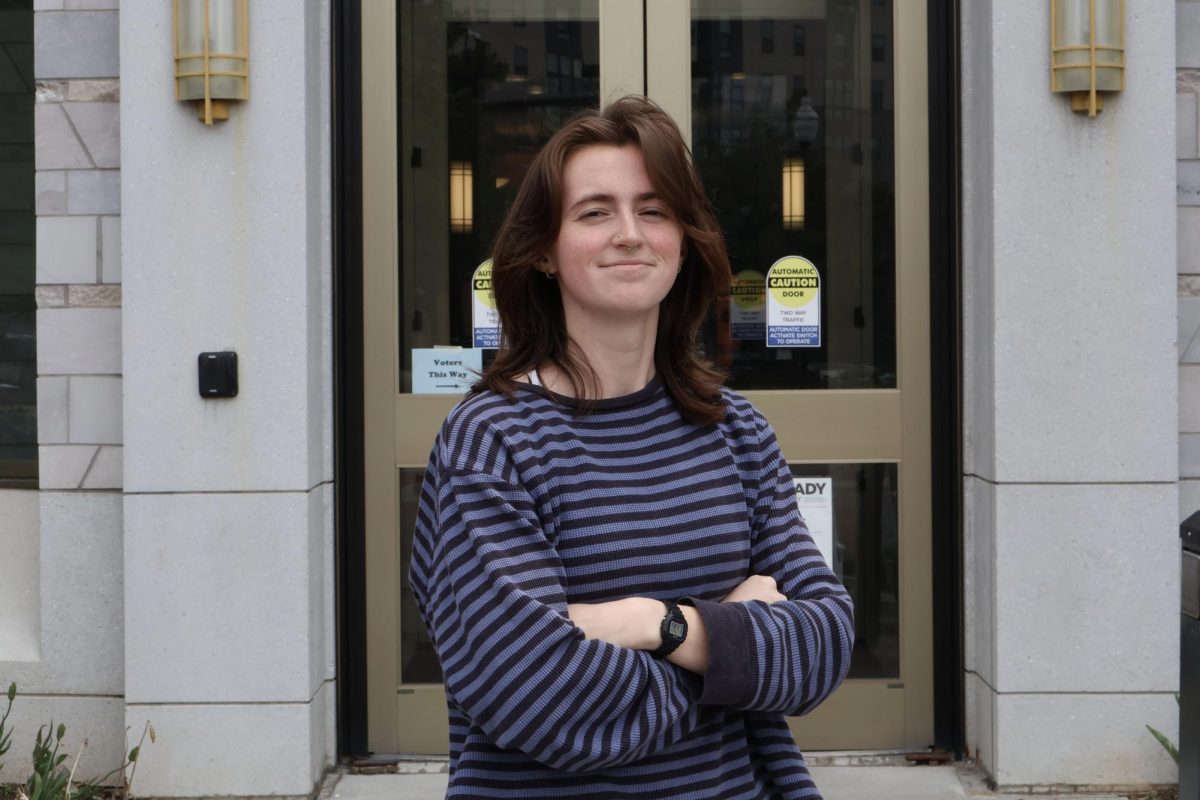
Cyrus Townsend, a freshman majoring in physics, found the class while scrolling through the catalog. He wanted to take it because he loves history and is queer. Being from Tennessee, he did not see LGBTQ history being discussed.
“I found this class and was like, ‘Oh this is definitely something I’m interested in,'” Townsend said.
Braquet is teaching the class in person after being on Zoom for several semesters and she enjoys seeing her students gel together and form a community in the classroom. Lotus Tadlock, another student in the class and a freshman theatre major, was surprised at how accepting the environment is, not only in the classroom but at UT.
“It’s important to feel heard and acknowledged and to know you’re not alone,” Tadlock said. “I genuinely thought I would be alone.”
Tadlock hid themselves for much of high school, only feeling comfortable to be out recently. They did not know much queer history because they were never taught any.
For Braquet, choosing what to teach can be difficult because she wants to jam-pack as much information into the course as possible. The curriculum has been refined over the years as she had to be practical with how much information she could realistically provide. The most important thing to Braquet is discussion, so she does her best to provide an overview while allowing time for talk.
The class meets once a week for 50 minutes in a bright classroom tucked away in Hodges Library. Their chairs are set up in a circle and they all face each other. Braquet often brings stickers or candy — to bribe the students, she joked.
“It’s easy for the environment to be very comfortable,” Townsend said.
The class is highly structured around visual learning and physical materials.
“I rely heavily now on archival material as a librarian, you might expect,” Braquet said. “So we watch documentary clips, we listen to clips of oral histories, we might look at a newspaper article.”
Using these documents and sources allows Braquet to show the physical history. At the end of all her presentations, she will include extra readings so her students can do more research on their own.
Braquet teaches the events that have defined the LGBTQ community over the years including the Stonewall riots and the AIDS crisis for example. But she also does her best to provide the history of queer joy and liberation.
“There are so many depressing things in queer history. It feels like we’re always having to fight for something or something horrible is happening,” Braquet said. “So I do try to make sure that there are these pieces of fun: Look we’re here, we’ve always been here, we’re going to continue to be here.”
In the class’s first meeting, Braquet taught about Edythe Eyde. Eyde created the first known lesbian publication in America, a magazine called Vice Versa. This lesson about a queer woman in the 1940s, Braquet said, helped set the tone for the rest of the semester. The lesson included a recording of songs Eyde had written about being queer.
“It warms my heart to think that queer people have always been around and they found ways to find other queer people or to bring joy to other people,” Braquet said. “Like imagine going someplace in the 40s, probably thinking you’re the only person who’s gay, and then hearing this woman sing about how she wants to kiss this other girl.”
A little over halfway through the semester now, they have just gotten past Stonewall. Stonewall is an iconic event in queer history, but many people do not know the specifics of what happened.
“As soon as you get into the LGBTQ community, you understand that Stonewall happened and Stonewall led up to the pride parades, but you don’t really know about it,” Tadlock said. “So looking into it and knowing it’s not just white, gay men: it’s everyone.”
Braquet taught the lesson with documentary footage and videos from the 1970 pride marches. While teaching about the broad American history of the time period, Braquet also taught about UT’s own Gay Liberation Front in the early 1970s and its endeavor to become a formalized club on campus. She had the students read newspaper articles about the group’s many attempts and ultimate failures to be recognized.
Localizing American history to Knoxville and relating it to the present allows students to have a stronger connection with the past.
“It’s also important for them to realize some of the recurring themes that happen throughout history,” Braquet said.
LGBTQ history in Knoxville is important to Braquet and she has dedicated extensive time to documenting and saving it. One of her many projects is Voices Out Loud. This project chronicles the history of the LGBTQ community in East Tennessee through oral histories. She is also working to create an archive of Knoxville’s queer history. There is currently a pop-up display in South Press showcasing some of the documents, such as panels on the first Knoxville Pride and on the history of UT’s Pride Center.
Braquet integrates these missions into her class through the final project, where the students will pick something they believe should go into the Knoxville court history archive. Tadlock wants to try and find an art piece that fits the brief.
Braquet’s passion for the subject and her discussion-led classes gave the students a safe environment to learn in.
“I’ve made friends through this class,” Townsend said. “It definitely makes me feel a lot more comfortable around campus.”