On Jan. 12, the University of Tennessee Extension, along with partners Agricenter International and the Tennessee Wildlife Federation, was awarded a grant worth $15.9 million. The grant was funded by USDA’s NRCS Regional Conservation Partnership Program. The funds and those providing them hope to incentivize better practices of conservation through West Tennessee in the wake of a massive restructuring of the cropland and the natural resources throughout the region.
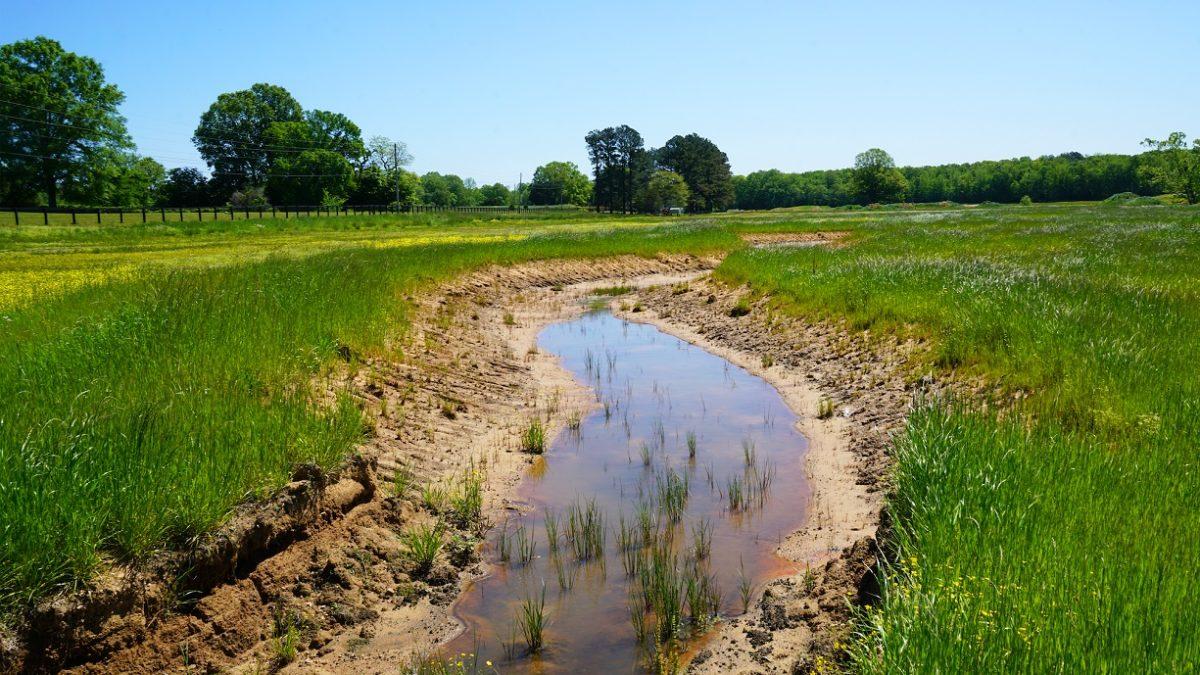
The grant itself is being referred to as the West Tennessee Field and Forest Partnership. The group plans on utilizing the diversity of its knowledge and expertise as a means to reach as many affected parties as possible as a way to produce more benefits to conservation. Some of the main areas of concern include mitigating greenhouse gas emissions, wind and water erosion, increased carbon sequestration, improving water quality and producing more resilient habitats for wildlife.
Seventy-five percent of the grant’s funds is allocated directly to producers and landowners. If deemed eligible, the recipients will then be given technical assistance on how to properly implement the funds into their day-to-day operations. It is hoped that this process will address any concerns — such as pest control or operating rented land — and will facilitate those concerns not only through grant funding but also the support that comes along with it.
“Along with our excellent collaborators, we remain committed to fostering the success of our farmers, farm and forest landowners and their families for generations to come,” UT Extension Dean Ashley Stokes said in a press release. “I want to thank Drs. Ben West and Aaron Smith for their leadership with this program, as UT Extension works with our agricultural producers regarding opportunities impacting farm sustainability.”
Leading the charge on this movement is Agricenter International, a Memphis-based company that acts as a hub for agricultural research and education. The company annually produces an economic impact of around $524 million, according to its website. In the case of this five-year cohort, the group will also donate an additional $1.1 million to further embed proper practice into agricultural land throughout West Tennessee.
A move like this, in many eyes, is warranted and has been needed for quite some time. As Tennessee as a whole continues to develop, urbanization has been observed to have negative effects on land previously blocked off for agrarian use. Aaron Smith, associate professor and extension economist with the Department of Agricultural and Resource Economics at UT’s Institute of Agriculture, referred to the upturn in urban planning across the state as “land use conversion” and noted it has proved risky when concerned with maintaining some of its key economic pulls such as agriculture.
The grant is considered to be something of a guinea pig to those who have worked on it. Birthed out of roundtable conversation within the University of Tennessee Extension over the summer, most involved in the discussion were also involved in the developments and proposals that came shortly after. The grant money is being awarded on a volunteer basis in the hopes that those participating will allocate that money to potential conservation methods, to either demonstrate the functionality or impracticality of the methods being used. West Tennessee, a topographically diverse area, seemed to fit like a glove for this sort of project.
“West Tennessee is a unique area,” Smith said. “It’s a mix of forest, urban development, farmland, there’s some urban agriculture which goes on, so it’s very diverse. We grow a lot of different crops, and there’s a lot of different alternative uses for properties. There’s hunting, fishing, outdoor activities, farming, forestry, and then there’s just people that enjoy the outdoor areas.”
With the variety of sandboxes to play in, the usage of different kinds of land provides ample room to experiment within the realm of conservation in the midst of one of Tennessee’s largest overhauls of property in recent memory. While not everything used will become common practice in agriculture or the wildlife industry, Smith said it is a good starting point to see what sticks out the most.
“We want to see if this can stand on its own, in terms of economic benefits to the farmer directly,” Smith said. “Or, if there does need to be continual support, then what does that look like? What’s something that’s doable from a USDA standpoint but also beneficial to producers and hopefully help cover some of those potential costs? I think part of it is just trying it in very different areas and seeing what works and what doesn’t. And, if something doesn’t work, then why didn’t it work? What’s something we can do to get those same benefits, financially and environmentally, in the long term without having to have an incentive?”
As the need for infrastructure rises, so does the need for the unique biosystems to be preserved, and a donation of this caliber will work to help both parties find a common ground between conservation and urbanization.