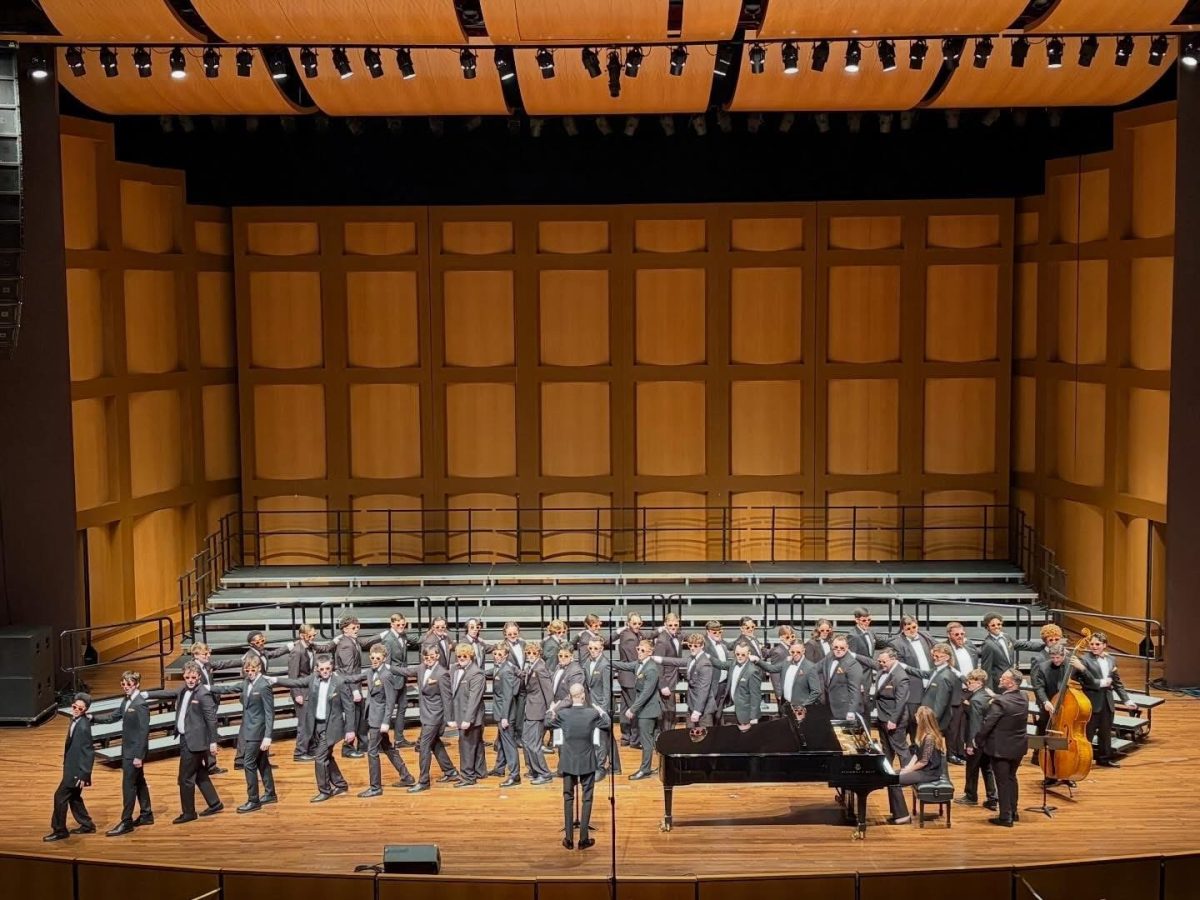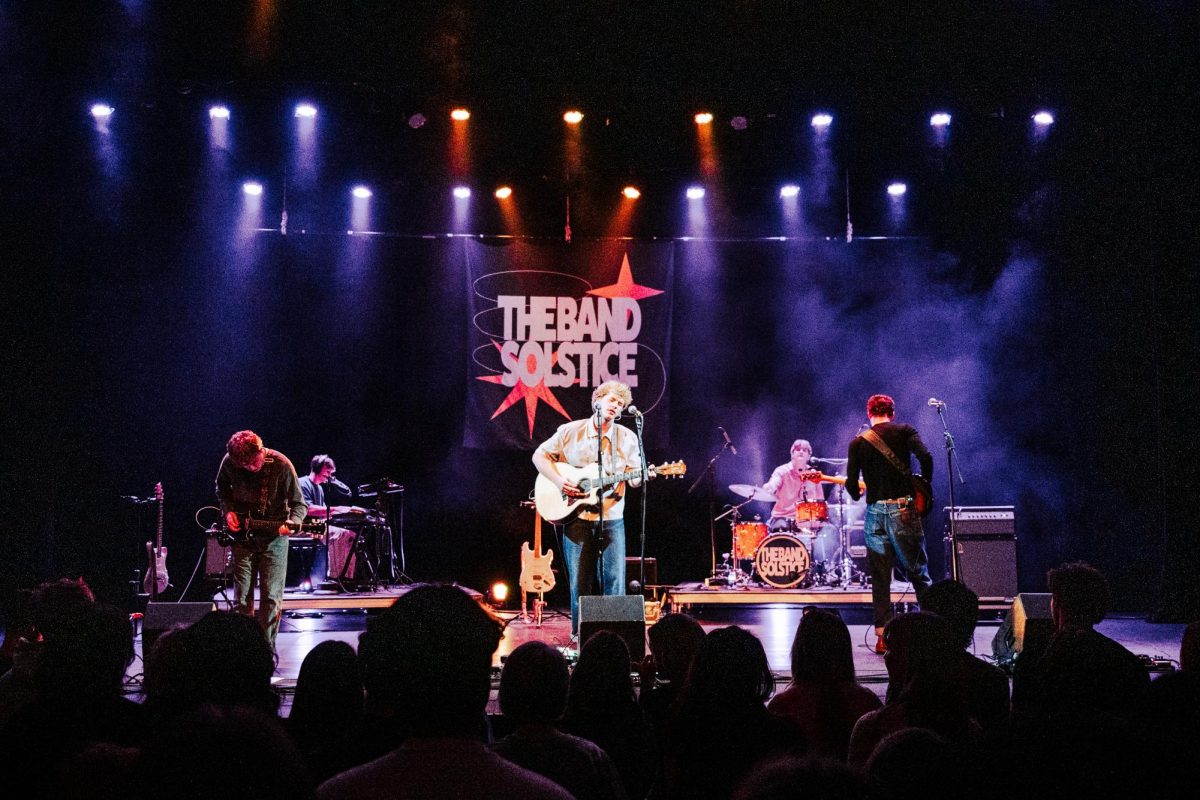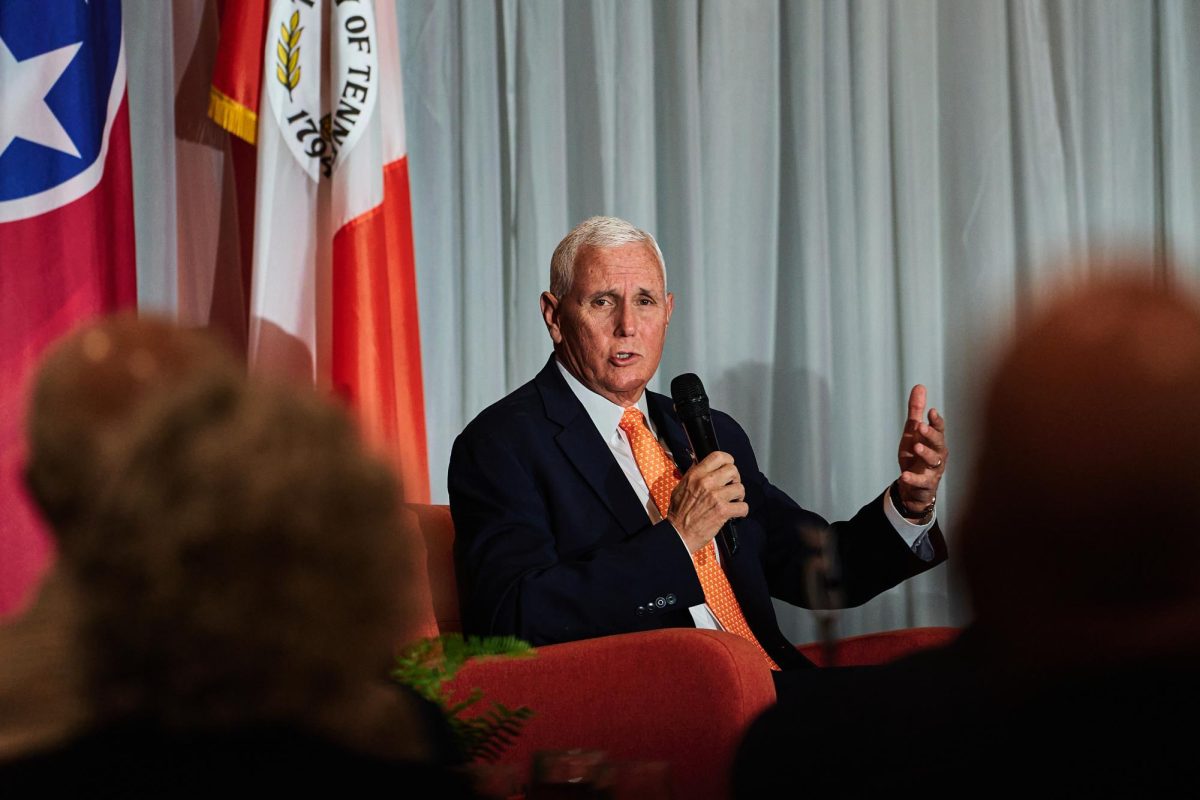
From the country music mecca that is Nashville to Graceland in Memphis to Bristol, the birthplace of country music, Tennessee is renowned for its significance and relevance in music. Recently, several of Tennessee’s members of Congress have been introducing bills targeted at supporting and growing the music industry, not just in the state, but across the country.
On Jan. 22, Tennessee Rep. Diana Harshbarger reintroduced S.4212, the American Music Tourism Act. This bill is part of a bipartisan effort with California Democrat Representative Nanette Barragan to increase music-based tourism nationwide. The bill would require the Assistant Secretary of Commerce for Travel and Tourism to create a plan to increase music tourism domestically and internationally. Subsequently, the assistant secretary would periodically report to Congress to update it on the program’s successes and failures.
In another bipartisan effort, Sen. Marsha Blackburn of Tennessee and Sen. Ben Ray Lujan of New Mexico introduced S.3191, the MAIN Event Ticketing Act. The bill aims to expand on the Better Online Ticket Sales Act of 2016 by prohibiting the use of automated bots that scoop up tickets and then hike prices on consumers. The bill works to protect customers going to buy concert tickets, for example.
Online vendors will be mandated to set up security settings to prevent the use of automated bots on their websites. Additionally, it includes that the Federal Trade Commission will monitor online vendors and enforce the legislation.
Blackburn also introduced the final bill, H.R.1259, the Help Independent Tracks Succeed Act, alongside Democrat Sen. Catherine Cortez Masto of Nevada. The bill aims to support smaller, independent artists by allowing them to write off up to $150,000 of certain qualified sound recording equipment. One stipulation is that the equipment must be made in America.
The bill applies to musicians, technicians, songwriters and producers, with the intention of levelling the playing field for smaller creators and labels when competing against much larger corporate entities.
Each bill has bipartisan support, meaning the bills are all sponsored or cosponsored by members of the Republican and Democratic parties. The HITS Act and the MAIN Event Ticketing Act were both previously introduced to the floor in other sessions, and are now just being reintroduced.
For many UT music students, the bills sound like a big move in supporting the industry and helping future growth. Alex Durkee, a freshman at UT studying public affairs and viola player in the UT Symphony Orchestra, had a positive opinion of the legislation.
“The HITS Act is probably the most appealing of the three,” Durkee said. “Protecting indie artists, and I would really hope that extends to songwriters as well, is really important. The songwriting element is something that’s often left out in coverage of music policies, but they’re really the people that keep the industry going.”
While Durkee is pleased with the progress the bills promise to bring, he still believes there is space for improvement.
“I think they are missing the mark, and losing an opportunity, by not including music education anywhere inside that,” Durkee said. “I think that’s really important in building a generation that appreciates music and also benefits fully from music as a whole.”
For other students, the MAIN Event Ticketing Act and its protection of consumers going to buy online tickets appealed. Katie Sharpe, a senior at UT studying electrical engineering, applied music minor and piano player, explained her support.
“The MAIN Act sounds good,” Sharpe said. “I think buying tickets online is such a problem right now.”
For many, these bills appealed because of the impacts they’d see in their own lives when going to buy tickets or because of their involvement in the music industry.
All three bills are currently in the legislative process, being discussed in their respective committees and on the House and Senate floors.