The impacts of the government shutdown recently initiated by the Trump Administration can be felt intensely around the greater Knoxville community as thousands find their utilities being shut off.
While the majority of front page media attention is directed towards the recent cut of SNAP benefits for the month of November, another unspoken but critical program facing shortfalls is utility and rent assistance.
With an influx of residents moving into Knoxville, housing prices have shot up, leading to a spike in the housing market that has become unaffordable for many. After COVID-19, prices in general went up for basic needs like food, gas and housing, and as a result some have struggled to find their footing again.
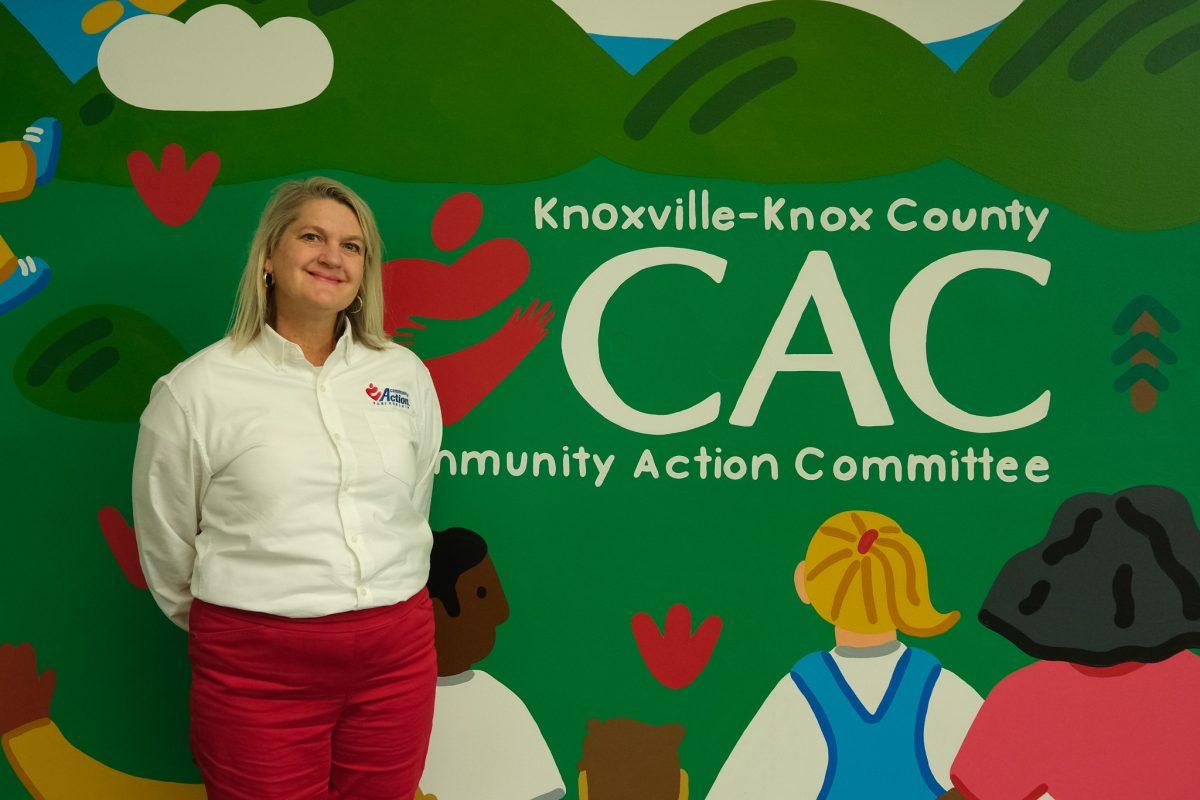
Misty Goodwin, the chief program officer, and soon to be chief executive officer of Knoxville-Knox County Community Action Committee, pointed out how the gaps in funding serve as detrimental issues for thousands of families.
The Community Action Committee was originally founded in 1964 as a response to a lack of assistance from the government for low income neighborhoods and communities. Since then, the committee has grown with programs like Mobile Meals, Affordable Medicine Options for Seniors and Knox Paws.
“At its core, Community Action is about neighbors helping neighbors, we connect people to resources, but just as importantly, we help them build confidence and opportunity,” Goodwin said.
Over 7,000 households in Knoxville rely on utility and rental assistance through CAC’s Low Income Home Energy Assistance Program, but with the shutdown, there has been minimal assistance available, leaving thousands stranded and unsure about what to do. LIHEAP provides assistance amounts ranging from $174-750 per month depending on the provable household burden, but with the federal freeze, there’s been no funding at all to give out.
“Our staff are seeing families who were just barely making ends meet now facing hard choices between paying for utilities, rent or groceries. These are people who are working, caring for children or seniors living on fixed incomes and the shutdown has created real uncertainty for them,” said Goodwin.
Accessibility to this program is limited beyond budget cuts, as “the state’s new online-only LIHEAP portal, managed by the Tennessee Housing Development Agency, requires applicants to have an email address and a smartphone or computer,” according to Goodwin.
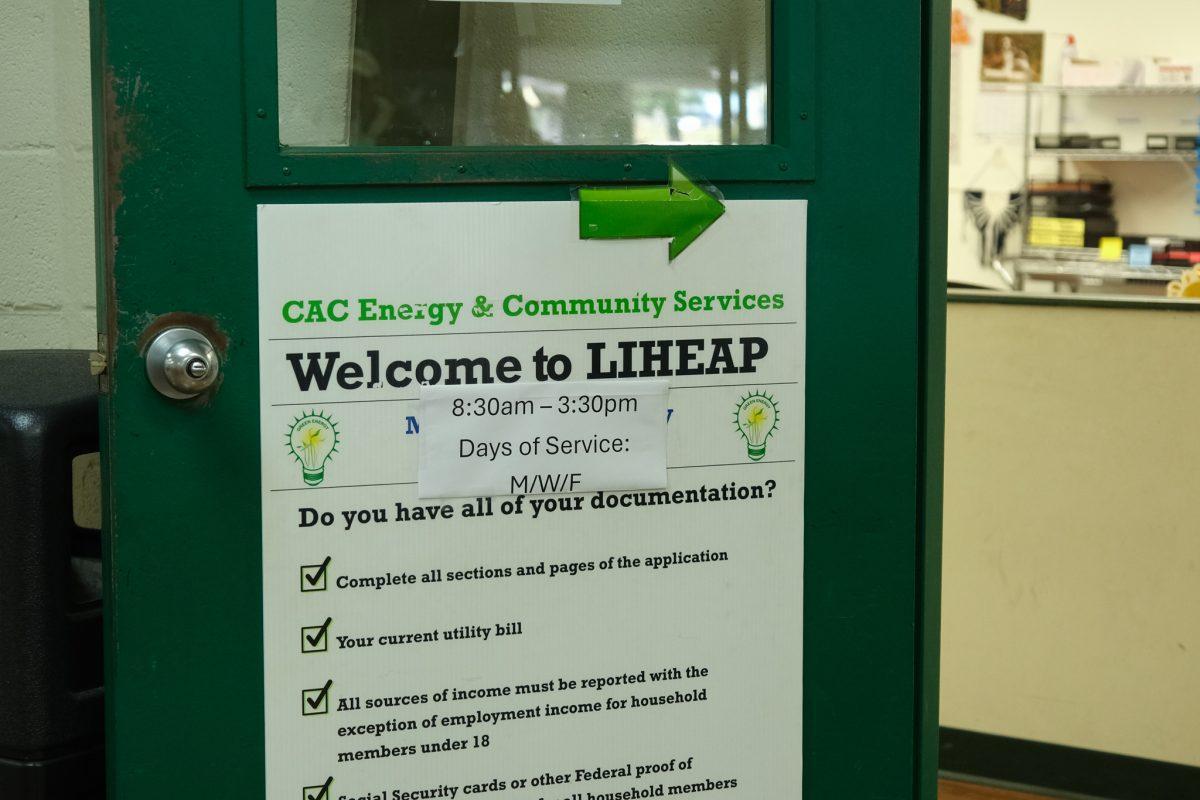
The entrance to the Community Action Committee office.
For many already facing financial difficulties, requiring internet access is another hurdle to overcome in the process of obtaining assistance. It also creates a barrier with senior citizens who may not frequently use technology and are unaware how to best navigate the platform.
“In just the past few days, 34 homebound seniors have been unable to complete the online application because of mobility and technology issues … Our staff are helping people one-on-one, even creating email accounts for them, but it’s a slow and intensive process,” Goodwin said.
Accessibility to a safe shelter and a warm meal is a basic human right, a right that is now being tossed around by officials sitting in D.C.
Jackson Brannon, a sophomore public affairs major, currently holds a position with Knoxville 301, a public call center sponsored by the City of Knoxville. This spot has provided him first-hand experience responding to calls of need from local residents asking for direction to resources that will provide their families food, warmth and hope.
“In the past few days our call rate has increased by about 21% exactly … When we’re answering these calls we’re often talking to people at their lowest point,” Brannon said.
Children, elderly and community members with disabilities are typically the ones most reliant on these services, as they are the ones who struggle to access equal opportunity and maintain a stable career. Without access to funding, they face the risk of losing housing and an inability to have their basic needs met.
“We’re already seeing signs of strain: longer lines at food distributions, more people seeking rent or utility help, and seniors choosing between medication and energy costs. These are not abstract numbers — these are our neighbors,” Goodwin said.
The growing need for assistance is outpacing the capacity of many local programs.
“To try and address the concerns of callers in a dignified way … and that’s hard to do when the majority of things we’re trying to send them to are having funding struggles themselves … or that a lot of them are already at capacity,” Brannon said.
The current non-profits in place, such as Ladies of Charity and Volunteer Ministries, are facing troubles with their funding, as many have already run out of funding without additional help from the federal government. For those that still have money to give out, it’s extremely limited and the application to get help is difficult.
“I think we’re going to be out of funding next week if the shutdown is not resolved,” Brannon said.
It’s difficult to reach out and ask for help in the first place, but even more difficult when the sources supposed to be able to offer help have already run out of resources.
But this issue goes beyond the general Knoxville community; it can be found here at the University of Tennessee.
“The numbers don’t really lie, if you have 36,000 students in Knox County, you know a student who uses an EBT card,” Brannon said.
The pause in benefits is raising concerns about how it could affect students’ stability, including their housing and access to education.
“I think this crisis brought out a lot more things that we need to re-evaluate … We need to start understanding we’re dealing with people’s lives here. We need to start asking ourselves, are we gonna address the problem where it is?” Brannon said.
Despite the uncertainty of when the shutdown will end and funding will resume, the community continues to show support to its members.
“If the shutdown continues, we risk seeing even greater hardship in the weeks ahead. But what gives me hope is how our community always shows up, through donations, volunteerism, advocacy, and compassion,” Goodwin said.