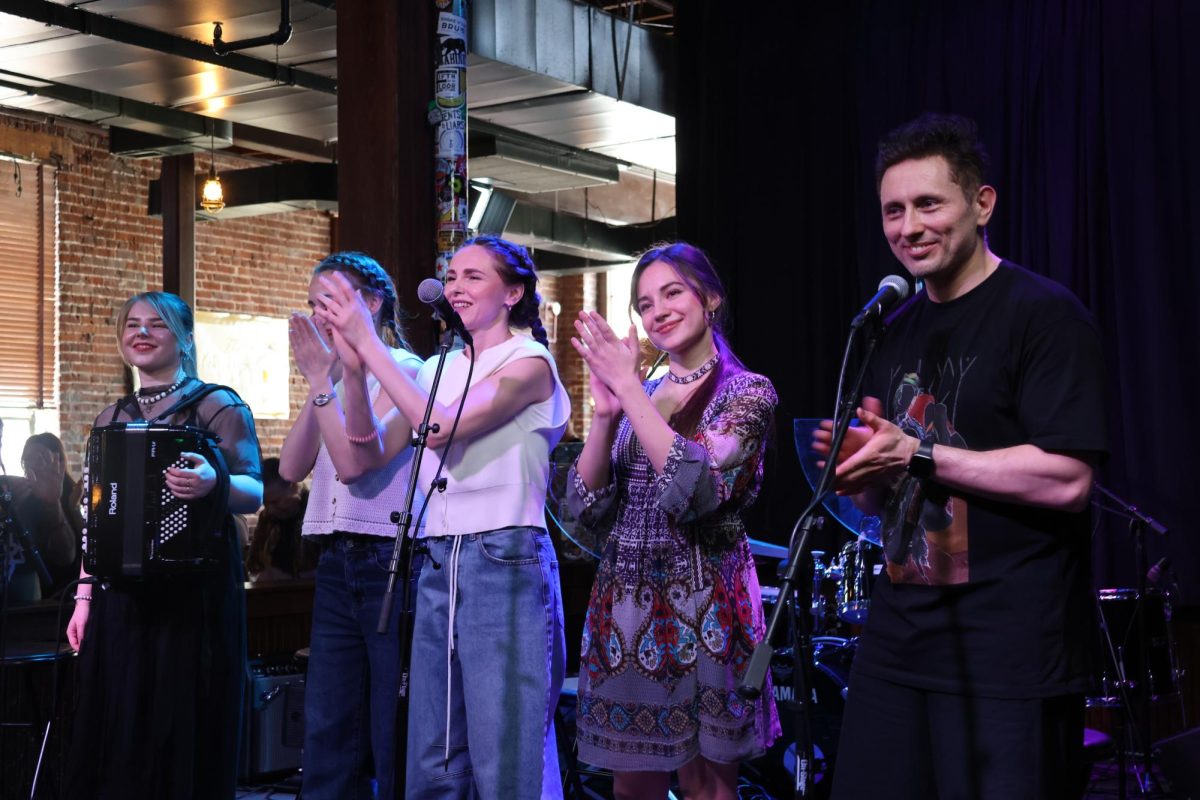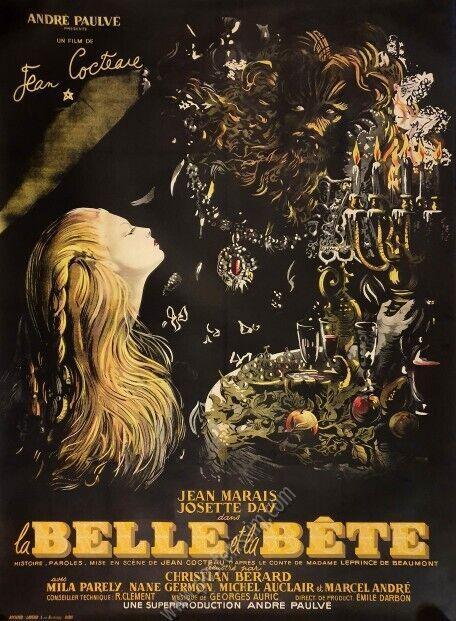
Once upon a time, Central Cinema projected the 1946 French-classic “La Belle et la Bête” as part of their Film on Film series.
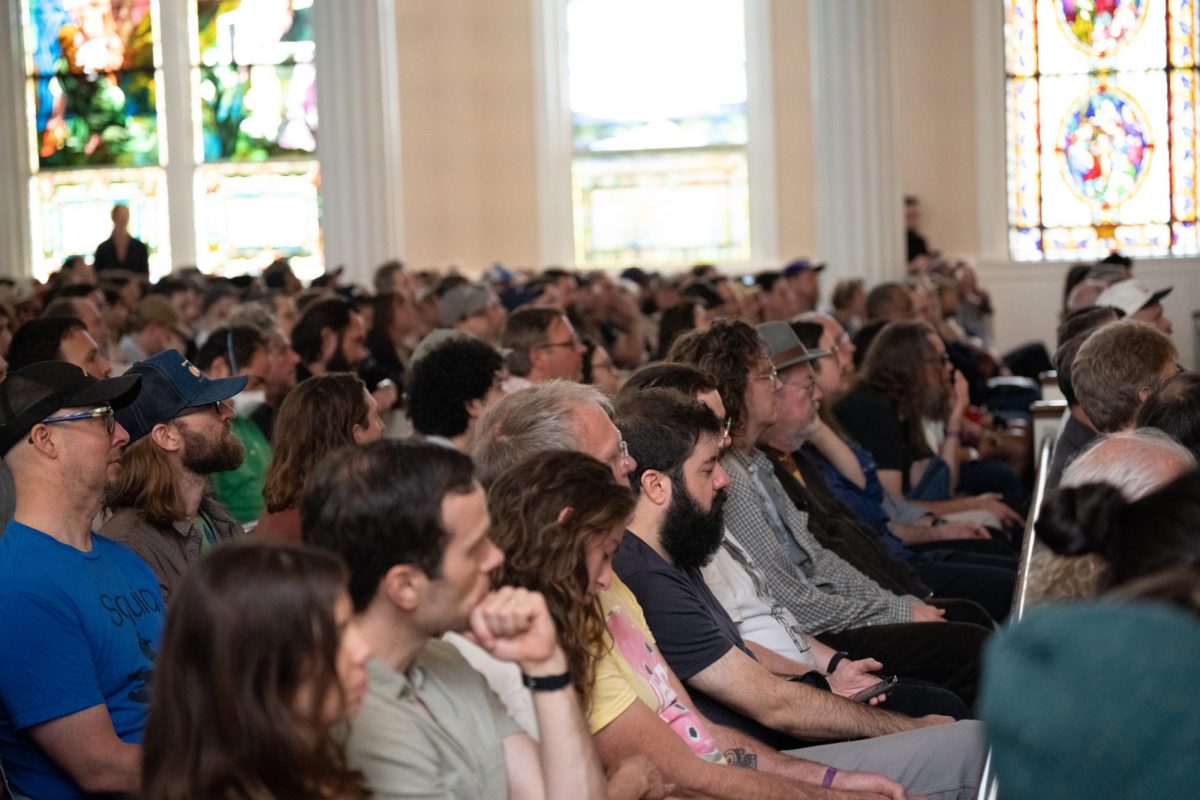
The series coordinator and local film historian Bradley Reeves spearheaded the screening, bringing in his personal 16mm print of the film. He introduced the film with some trivia before playing two short films, one partially animated and the other live-action. Afterward, the film began.
“La Belle et la Bête” is a 1946 French film that retells the classic tale by Jeanne-Marie Leprince de Beaumont. It was written and directed by Jean Cocteau, known not only for this film but also for “Orpheus” and “Les Parents Terribles.”
The film follows Belle as she maintains her poor family’s house while her father grows old and her sisters try to live extravagantly. After an encounter with the Beast, Belle’s father is sentenced to death unless one of his daughters takes his place. Belle decides to go instead, which the Beast accepts as he falls deeply in love with her.
“La Belle et la Bête” is a film filled with magic. It’s a phenomenal piece of classic French cinema and should be seen by everyone. It’s tragic, romantic and grand.
The film stars Jean Marais as the Beast (along with some other characters) and Josette Day as Belle. These two leads are stunning in their performances. Marais’ range from character to character while anchoring his performances in heartbreak and grief is beautiful and sorrowful. Day’s Belle is both hardworking and focused, setting clear boundaries while setting her mind towards what she wants. She melds sympathy with beauty excellently.
The two as Beast and Belle work incredibly well, as the Beast pines for her while she remains dedicated to helping her father. And those moments where all seems lost while they realize their love for each other in the final act remain incredible and captivating to this day.
The best aid to Marais’ Beast is the prosthetic makeup for the Beast. The fur, facial features and claws look stunning, and it’s still some of the best makeup put to film. It looks real, scary and impressive all at once. Even the individual aspects, like the ears moving almost independently in some scenes, are incredible pieces of technical filmmaking. This movie is worth watching for the makeup alone.
Along with the look of the Beast, the set and costume design is spectacular. The sets, especially the Beast’s castle, look dreamlike, with candelabras held by arms on the wall and large open rooms to signify the scale of the Beast.
The costumes for everyone accentuate their different features, like the sisters’ desire to look grand, Belle’s initial servitude modesty contrasted with the elaborate dresses she acquires from the Beast and the Beast’s lordly look. It all works to deliver a classic approach to the story.
The cinematography by Henri Alekan establishes the film both within the real and the magical. The framing and blocking of certain scenes are funny while still revealing character and story. The lighting is deliberate, both in showcasing specific pieces of information and by making the film appear dark and moody. It’s an incredible-looking film.
Finally, the score is a classic piece of music from Georges Auric. It fits the movie by further crafting it into a magical experience. Fun fact, there are two operas composed after this film came out that sync with the film.
“La Belle et la Bête” is a masterpiece of classic filmmaking. It uses everything to the best of its ability to create an experience that is the definition of magical.
The story itself is classic, telling this tale that many of us know in some shape or form by now. But there is something special about this film in particular. The way that the story and characters develop is enthralling, fully entrancing the viewer into the world of the film. Its ability to just grab the viewer and transport them is unlike any other film I’ve ever seen.
Being able to see this on film was an absolute delight. It’s an incredible film in its own right, worthy of viewing anywhere and everywhere. But there’s a different quality to seeing a film like this using actual film with a film projector in a theater. If you can, it’s usually a great experience regardless of the film being shown.
In this case, it just happened to be Jean Cocteau’s “La Belle et la Bête.” From its opening note from the director about fairytales to its final scene of Belle and the Prince, it’s a beautiful, captivating and extraordinary film. I highly recommend trying to watch this film however you can.
It’s a truly magical experience.